Solar Power Gains Traction as Iraqis Struggle with Persistent Electricity Shortages
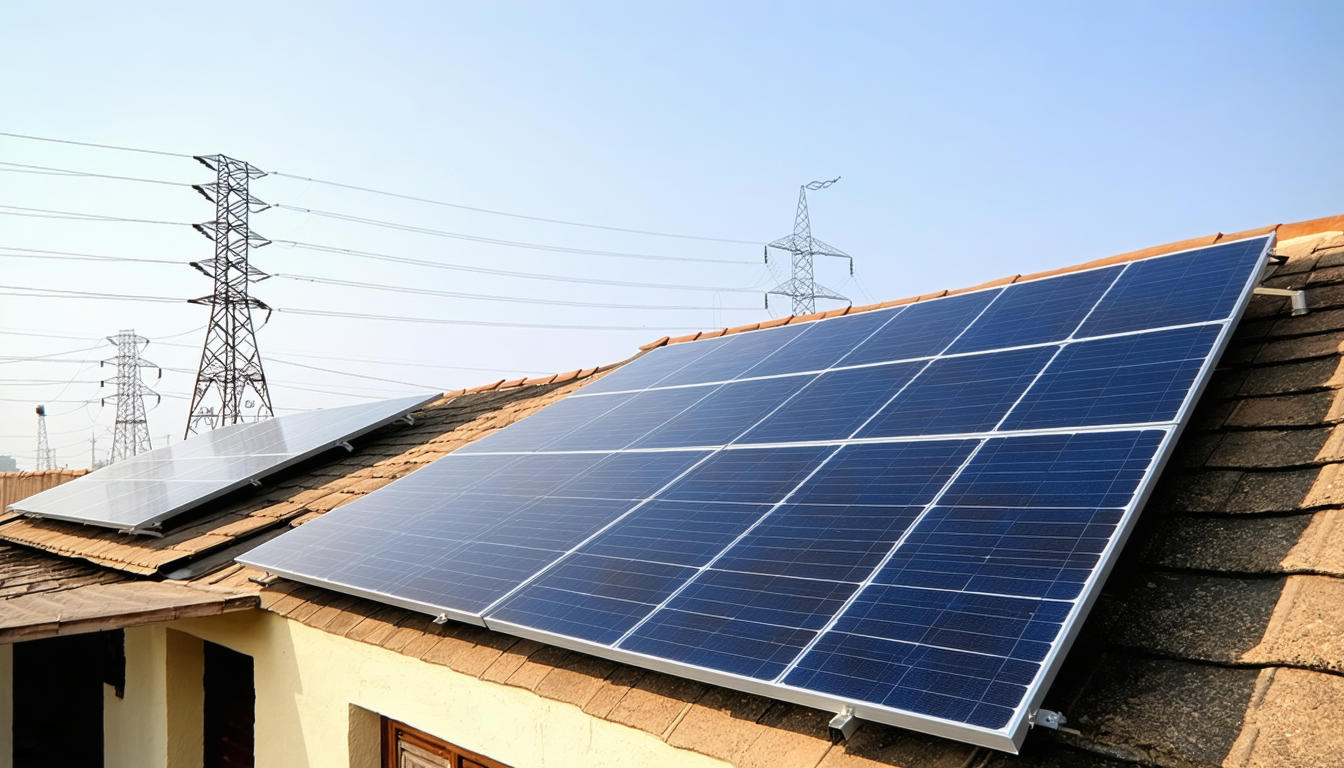
Faced with an unreliable power grid and soaring generator costs, Iraqi residents are increasingly turning to solar energy systems as a practical solution to their energy needs. The shift reflects growing frustration with chronic electricity shortages affecting the nation.
Residents cite two primary drivers for the adoption of rooftop solar installations: the instability plaguing the national electricity network and the steep expense of private generators, which now cost approximately 20,000 dinars. By investing in solar panels paired with battery storage systems, households can secure daytime power generation while maintaining evening and nighttime electricity through battery reserves. Many citizens are appealing to companies and financial institutions to offer payment plans and subsidized financing schemes that would make these systems accessible to broader segments of the population.
Engineer Ali Al-Marsoumi reports a dramatic surge in consumer interest this year. According to his assessment, a 20-amp solar system carries an upfront price tag of roughly 5,000 dollars. While this initial investment is substantial, the equipment maintains operational functionality for approximately a decade—a timeframe equivalent to just two years of private generator subscription fees. However, Baghdad's housing constraints present a significant hurdle. The prevalence of multi-family dwellings and limited rooftop space in the capital continues to obstruct widespread panel installation among residents.
Energy specialist Ahmed Moussa offers a more measured perspective on solar power's role. He characterizes solar energy as a supplementary resource rather than a complete replacement for traditional power generation facilities. Iraq currently produces roughly 23,000 megawatts of electricity, yet actual demand surpasses 60,000 megawatts—a substantial gap highlighting the nation's energy deficit. Moussa notes that the government is developing plans to construct large-scale solar installations aimed at easing strain on the existing system. Additionally, efforts are underway to mobilize concessional lending programs through Iraq's Central Bank to facilitate citizen access to solar technology.
Compare options


