Washington and Tehran Agree to Week of Restraint in Doha Talks
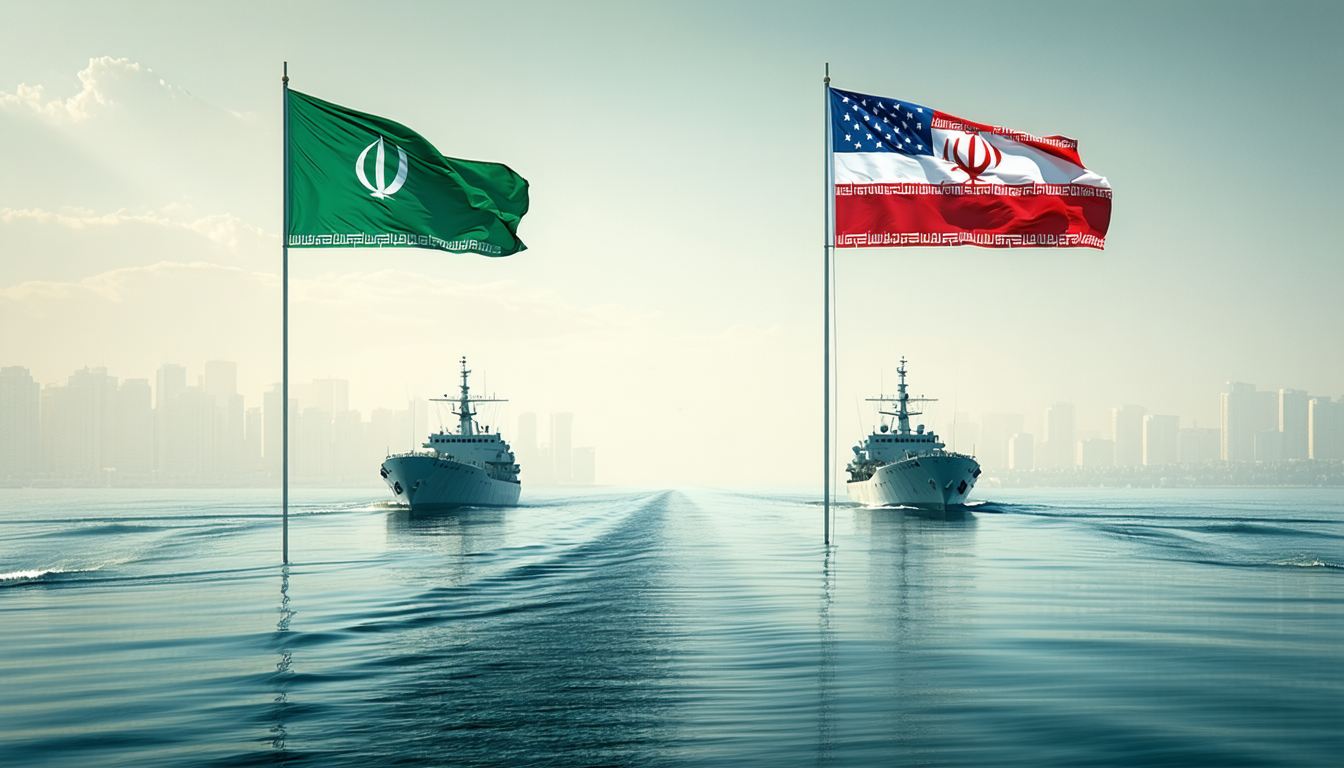
Diplomatic talks in Doha between American and Iranian representatives have yielded a preliminary agreement aimed at preventing military escalation over the next seven days, according to statements from U.S. officials cited by Axios.
The arrangement calls for both sides to exercise restraint during this testing period, creating what officials describe as a "constructive environment" necessary for advancing discussions on a broader memorandum of understanding. The accord specifically addresses concerns about military action, with Washington seeking to avoid any missile strikes that could derail the negotiation process.
President Donald Trump has made clear his administration's position on potential Iranian military action, stating that any Iranian strikes would be met with a forceful American response targeting Iranian interests in the Strait of Hormuz region.
The Doha meetings have been described as productive, establishing groundwork for technical-level discussions to follow. However, uncertainty remains about whether U.S. envoys Steve Witkoff and Jared Kushner engaged in direct meetings with Iranian officials.
Three primary issues dominate the negotiation agenda: maritime security in the Strait of Hormuz, Iran's frozen assets held abroad, and efforts to establish a ceasefire in Lebanon. American officials have also begun discussions with Gulf partners about managing the Strait following any agreement.
On the Hormuz question, the American negotiators are pushing back against Iranian proposals to impose transit fees on commercial shipping. The U.S. position, as relayed to Tehran, emphasizes that revenue from freely trading oil and resources under a comprehensive sanctions-lifting agreement would far exceed income from charging transit fees.
Regarding frozen Iranian funds, a regional source indicated that discussions in Doha produced an understanding for releasing an initial $3 billion in frozen assets held in Qatar. According to this account, the funds would not be transferred as cash but would remain under Iranian Central Bank control for purchasing humanitarian goods, potentially including American products.
American officials have disputed this account, denying that any such agreement was reached and stating that no funds have been released.
Qatari Foreign Minister Mohammed bin Abdul Rahman met separately with Witkoff and Kushner to discuss progress on U.S.-Iranian negotiations and ceasefire efforts in Lebanon. Qatar, working alongside Pakistan, continues to facilitate the mediation process.
The significance of this week of calm lies in its function as a preliminary test of commitment from both parties before advancing to more substantive negotiations. The interconnected nature of the outstanding issues—Hormuz security, Lebanese stability, sanctions relief, and frozen assets—means that any military action during this period could reset negotiations entirely, transforming Doha from a diplomatic venue into another escalation point.
Lebanon's inclusion in the negotiating framework underscores its evolution from a peripheral concern to a central component of any broader regional settlement. For mediators, achieving calm in southern Lebanon represents a prerequisite for comprehensive U.S.-Iranian understandings, just as securing the Strait of Hormuz remains essential for regional economic and energy stability.
Compare options


