Labor Union Criticizes Tax Increases as Sign of Failed Economic Policy
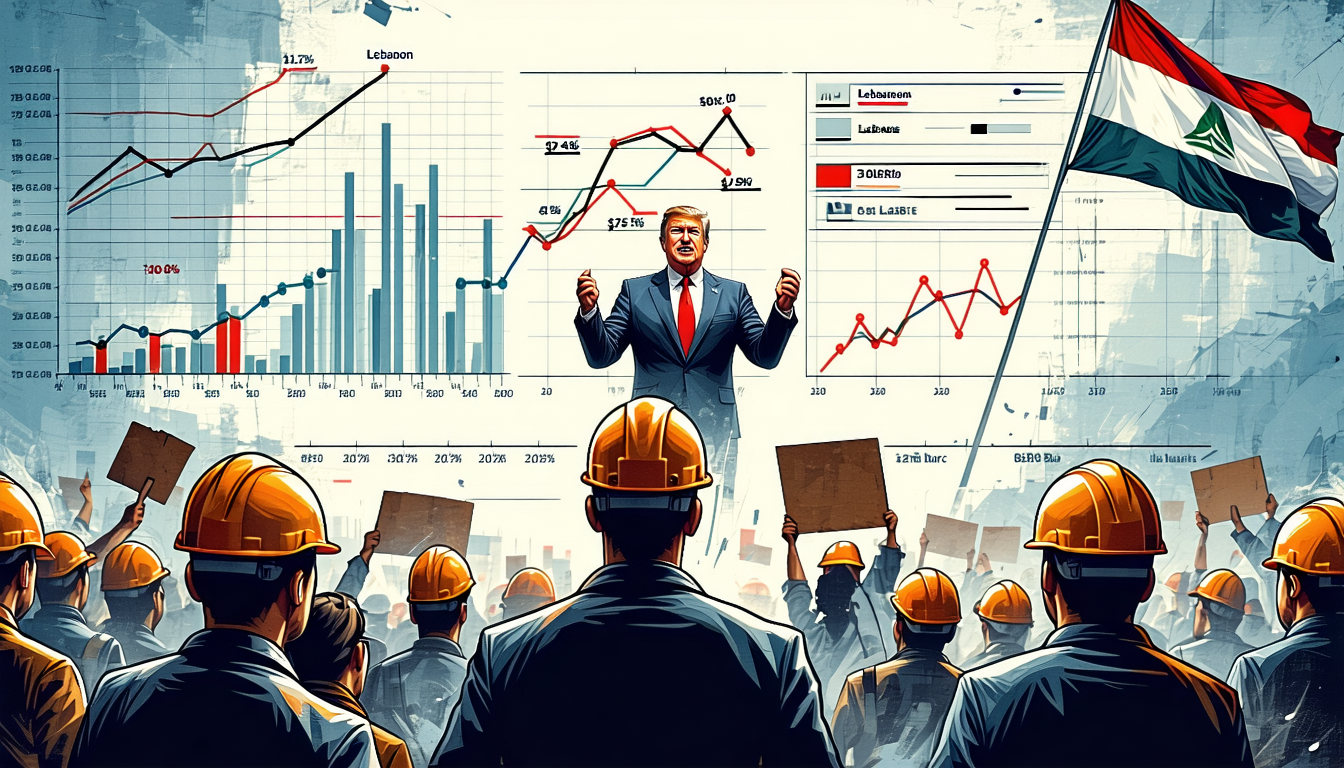
The General Labor Union has issued a statement expressing deep concern over the government's recent direction, particularly in light of Lebanon's current crises. The union emphasized that following the widespread destruction of property and institutions, the collapse of citizens' social capabilities, and rising unemployment and spending pressures, the government should have prioritized increasing social benefits and raising the minimum wage across both public and private sectors.
The union outlined several expectations that remain unmet: reconsidering salary supplements and eroding compensation, paying the six months of salaries owed to public sector employees, military personnel, and retirees, and strengthening guarantor institutions to address medical and hospitalization crises.
Instead, the union stated, the government has introduced new tax burdens on essential commodities including food items, manufactures, oils, chemicals, meat, fish, candy, fruits, dairy products, and unspecified goods. The union criticized these measures as opening "tax doors that are difficult to monitor within a clear, specific framework."
The new levies range between 1% and 3%, but according to the union's analysis, their cumulative impact on citizens following existing cost increases could reach 7 to 8 percent of consumption value. This, the union argued, places additional strain on workers and those with limited incomes.
"If this matter indicates anything, it indicates the failure of public policies and economic treatments at a minimum, in light of the large fluctuation in prices and the absence of deterrent monitoring," the union stated.
The General Labor Union has demanded that the government immediately rescind these taxes and fees, specifically naming the 300,000 lira fee imposed on gasoline cans, which was ostensibly intended to finance public sector increases that never materialized.
The union further called on the government to demonstrate genuine solidarity with citizens by protecting their economic, social, and national security interests. The statement criticized the current situation as one where citizens "can no longer tolerate chaos, evasion, and the plundering of money and savings and sending them abroad," calling for solidarity that protects rather than impoverishes citizens.
Compare options


