Mona Khalil: A Life Devoted to the Sea's Ancient Guardians
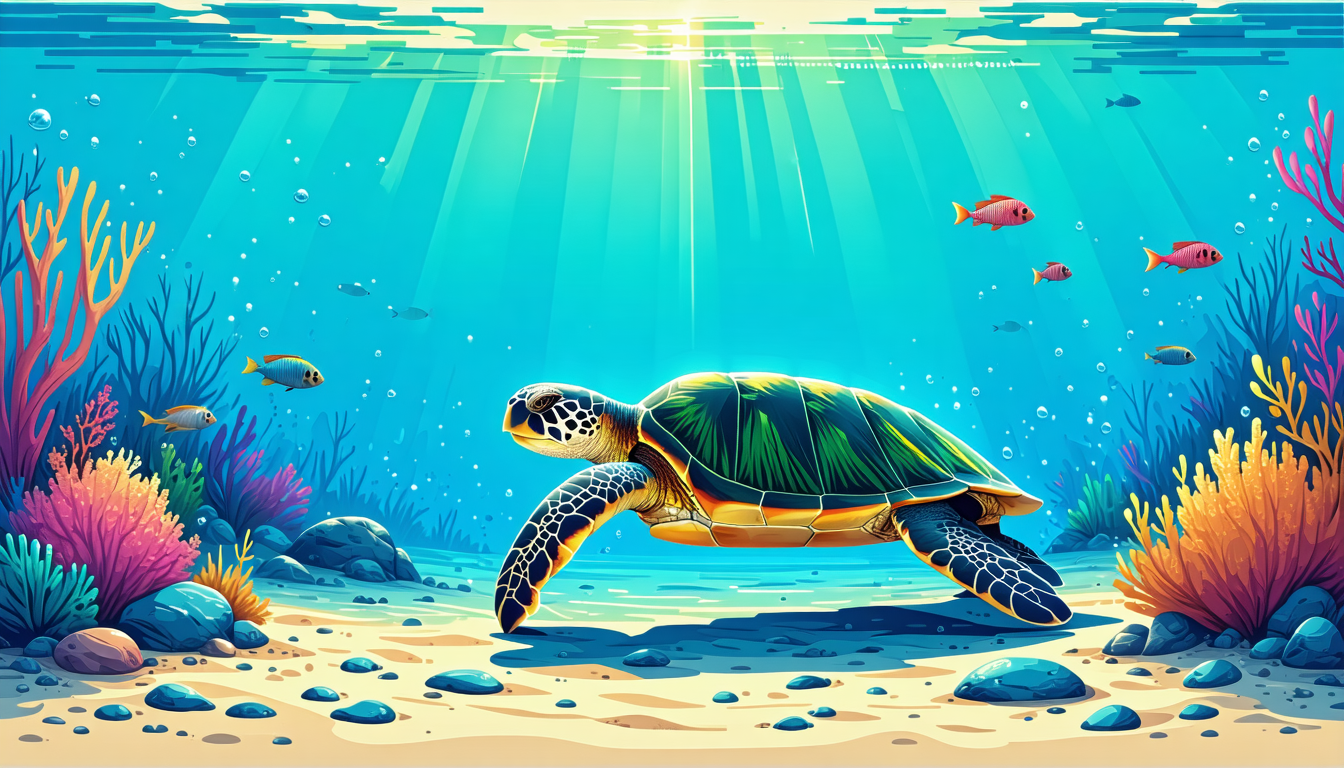
Mona Khalil embodied the creatures she protected. Not merely in appearance or habitat, but in the rhythm of her existence. Like the sea turtles that returned each season to Mansouri Beach, she moved through the world with deliberate purpose—unhurried, contemplative, as though life itself were a pilgrimage rather than a race.
The parallel extended deeper. A turtle carries its shelter upon its back, asking nothing of the world and claiming no territory. Similarly, Khalil traversed the shoreline with the bearing of one fulfilling an obligation that transcended her individual lifetime. She bent to examine nests, monitored developing eggs, and counted hatchlings as they instinctively made their way toward the water. In such moments, the boundary between observer and observed seemed to dissolve.
For Khalil, the sea was not merely scenery. It was a living entity—a family to which the turtles belonged, with seasons and silences she had come to know intimately. Her affection for these creatures stemmed from their nature: they moved across the earth causing no harm, carried their burdens without complaint, and never competed with others over resources. They embodied a kind of wisdom.
Yet conflict respects no such gentleness. Wars despise slowness. Military machinery shows no distinction between a turtle's nest and a human dwelling. The confrontation at Al-Mansouri thus represented a collision between opposing temporal philosophies—one embodied by a turtle moving toward life, the other by mechanisms engineered solely for destruction.
At that threshold between sea and land, two worldviews met. One constructed patiently, grain by grain, like waves building a beach. The other reduced everything to ash in an instant. There, Mona Khalil fell—a woman whose entire life had been devoted to shielding fragile eggs from natural predators and weather, never imagining that danger would descend from above.
Her passing meant more than the loss of an environmental advocate. The sea itself lost a keeper of its memory. Certain individuals become inseparable from the places they inhabit; we cannot envision those locations without them. Al-Mansouri had, in a sense, borrowed her presence to speak of itself. The orange house was merely a window through which the sea gazed toward the land.
Since her absence, the beach has grown quieter. The sand seems to wait. The sea, accustomed to greeting her each dawn, now sends its waves ashore only to draw them back in apparent resignation. One might imagine the turtles emerging on summer nights to find their old nesting grounds and pausing before the emptiness she has left behind.
What words would the turtles offer about Mona? Perhaps none. Creatures of wisdom rarely resort to speech. Yet they understand obligation and gratitude. They recognized that one human stood between their survival and oblivion for years, offering protection with hands that had become, unexpectedly, more trustworthy than many of their own kind. When they bury their eggs beneath moonlight and return to the depths, they carry within them, wordlessly, a prayer for the woman who learned their language.
As for those who sought victory through force—yes, they achieved another moment of destruction. But they forfeited something far greater. They lost the chance to comprehend that the sea cannot be subdued by explosives, that turtles predate all militaries, and that the waves once bearing Phoenician vessels still carry the memory of a woman named Mona Khalil.
Decades will arrive and depart. Governments will transform. Borders will shift. Yet the turtles will return to Al-Mansouri, as they always have, to dig and lay and return to the water. In this eternal repetition lies a lesson for humanity: destruction arrives swiftly, but life unfolds slowly. And in that fundamental truth, life prevails.
Compare options


