Ronaldo's Role Becomes Central to Portugal's World Cup Struggles
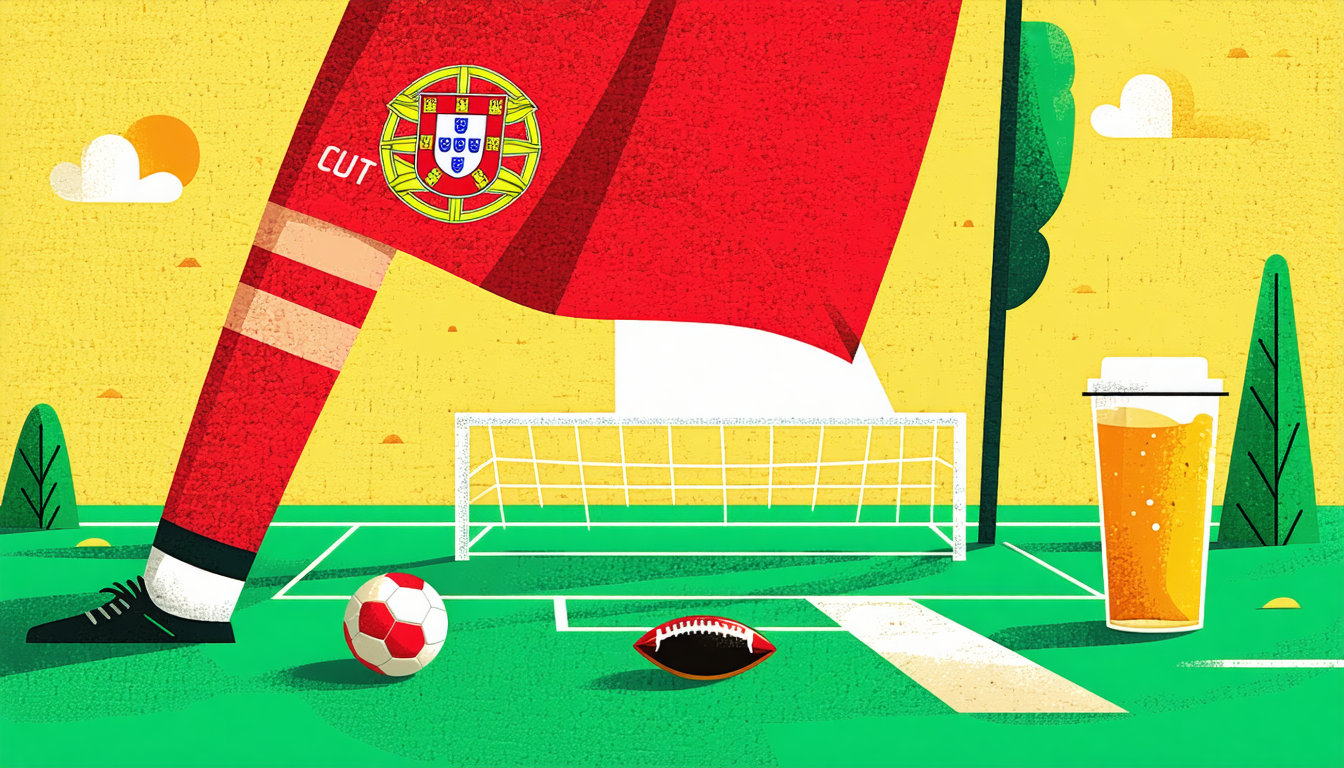
Portugal's performance in their opening World Cup match left much to be desired, with observers noting the team lacked cohesion, strategic clarity, and the commanding presence expected of a squad entering the tournament as contenders. While the draw—marking the Democratic Republic of Congo's first World Cup point—might have seemed acceptable in isolation, the manner of play raised serious concerns about the direction of the Portuguese campaign.
At the heart of the emerging crisis sits Cristiano Ronaldo. The legendary figure who has defined Portuguese football for decades and delivered historic triumphs now finds himself at the center of a fundamental tactical question: can the entire team's structure continue to revolve around a single player, regardless of his legendary status?
Portugal's current roster represents a generational shift, featuring players in their prime years with an average age of 28. Talents like Joao Neves, Vitinha, Goncalo Ramos, and Nuno Mendes, alongside other accomplished performers in Europe's top leagues, provide the foundation for a modernized squad. Yet the team's system appears locked into accommodating Ronaldo's presence, raising uncomfortable questions about tactical flexibility and squad optimization.
The undeniable contribution Ronaldo has made to Portuguese football cannot be dismissed. His achievements, records, and legacy remain unparalleled in the national team's history, and his influence on the sport itself remains profound. However, tournament football operates under different rules. Sentimentality and historical recognition, while important, cannot substitute for tactical necessity in an elimination format where every match carries weight.
The match against Congo revealed the practical consequences of this tension. When Bruno Fernandes, the Manchester United captain, reacted visibly to Ronaldo's intervention on a cross, the moment crystallized a deeper problem. Fernandes was positioned to finish the chance more effectively, yet the ball instinctively gravitated toward Ronaldo—a pattern that reflects both his standing within the squad and the psychological weight his presence carries.
This dynamic has not escaped Portuguese observers. Public and media discussion has intensified, with supporters questioning whether Ronaldo's personality and status make it impossible for him to voluntarily step back. Others have directed criticism at coach Roberto Martinez, suggesting the manager lacks the resolve to make the difficult selection decision. The consensus among many is that while Ronaldo can still contribute, younger alternatives might provide superior tactical options and better complement the squad's overall balance.
Goncalo Ramos particularly stands to benefit from an altered approach. His pace and movement align more naturally with the capabilities of Vitinha and the broader attacking infrastructure, potentially unlocking greater dynamism and depth in Portugal's forward play. This generational consideration adds another layer to the debate.
Portuguese commentator Ricardo Lemos offered a candid perspective, noting the psychological difficulty inherent in a player who has competed at elite levels for 23 or 24 years accepting that his moment has passed. The question of who possesses the authority to remove Ronaldo from the squad cuts to the heart of the institutional challenge—a player may genuinely believe his abilities remain unchanged while physical reality suggests otherwise.
Martinez has defended his tactical approach, arguing that removing a striker when goals are needed represents poor management. He emphasizes Ronaldo's experience in the penalty area and his ability to attract defensive attention, creating space for teammates. This reasoning, however, appears to reinforce the central problem: Portugal continues operating around an outdated version of Ronaldo, one that no longer matches current reality. While penalty-box experience holds theoretical value, it becomes counterproductive if it diminishes the contributions of more dynamic players and restricts the team's pressing intensity and movement.
When asked about the performance against Congo, Ronaldo dismissed suggestions of deficiency, characterizing the result as simply part of football's unpredictability and noting Portugal could have won or lost with equal possibility.
The upcoming match against Uzbekistan on June 23 looms as pivotal. With Colombia having begun their campaign successfully, Portugal cannot afford another setback. A second disappointing result will transform current concerns into acute crisis and sharpen the already pointed questions surrounding both Ronaldo and Martinez's future involvement. At that juncture, the discussion will transcend matters of respect and history, focusing instead on whether Portugal can salvage its present tournament aspirations before elimination becomes inevitable.
Compare options


