Lebanon's Role Could Make or Break U.S.-Iran Negotiations, Says Regional Expert
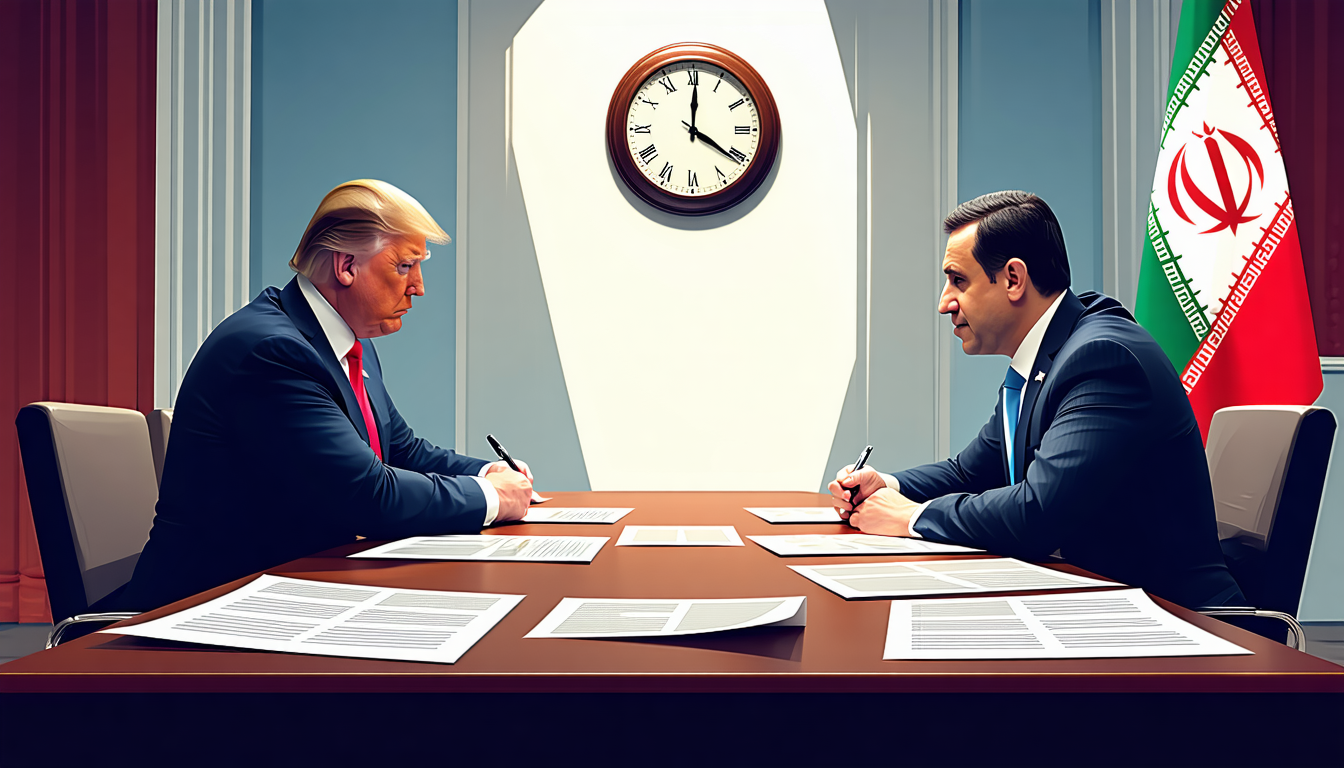
Regional affairs specialist Dr. Mehdi Aqeel has identified the Lebanon question as the most significant hurdle facing ongoing diplomatic talks in Switzerland, even as other critical issues between the United States and Iran remain under discussion.
In remarks made during an appearance on Red TV's "The Highlight" program, Aqeel elaborated on what makes the Lebanese dimension particularly complex. The core problem, he explained, stems from Israel's position as the primary actor responsible for implementing relevant provisions, despite not being a formal party to the agreement itself. This arrangement, he suggested, gives Israel considerable latitude to circumvent or undermine the negotiated understandings.
Aqeel noted that Israel has demonstrated lukewarm support for the agreement from the outset, viewing it as insufficient to address its political and security concerns. Prime Minister Benjamin Netanyahu finds himself navigating mounting domestic pressure and criticism within Israel, while political and security officials are actively urging resistance to the accord and the continuation of military operations.
The specialist observed that numerous clauses within the agreement remain subject to interpretation, with ambiguities likely to be resolved during the 60-day negotiation window ahead. He suggested that most clarifications would ultimately align more closely with Iranian positions.
Aqeel attributed Washington's acceptance of several Tehran demands to a broader U.S. strategic framework for the region. Rather than basing decisions solely on Israeli interests, he explained, the American approach factors in the complex web of regional and international relationships and alliances that the United States must manage.
Looking ahead to Lebanon-Israel talks, Aqeel predicted that discussions scheduled for June 23 could yield initial agreements focused on what are termed "experimental areas." He suggested this phase might involve Israeli forces pulling back from select southern positions as a preliminary test, establishing groundwork for subsequent negotiation phases.
Compare options


