Resilient Coral Reefs Discovered Worldwide, Offering New Conservation Hope
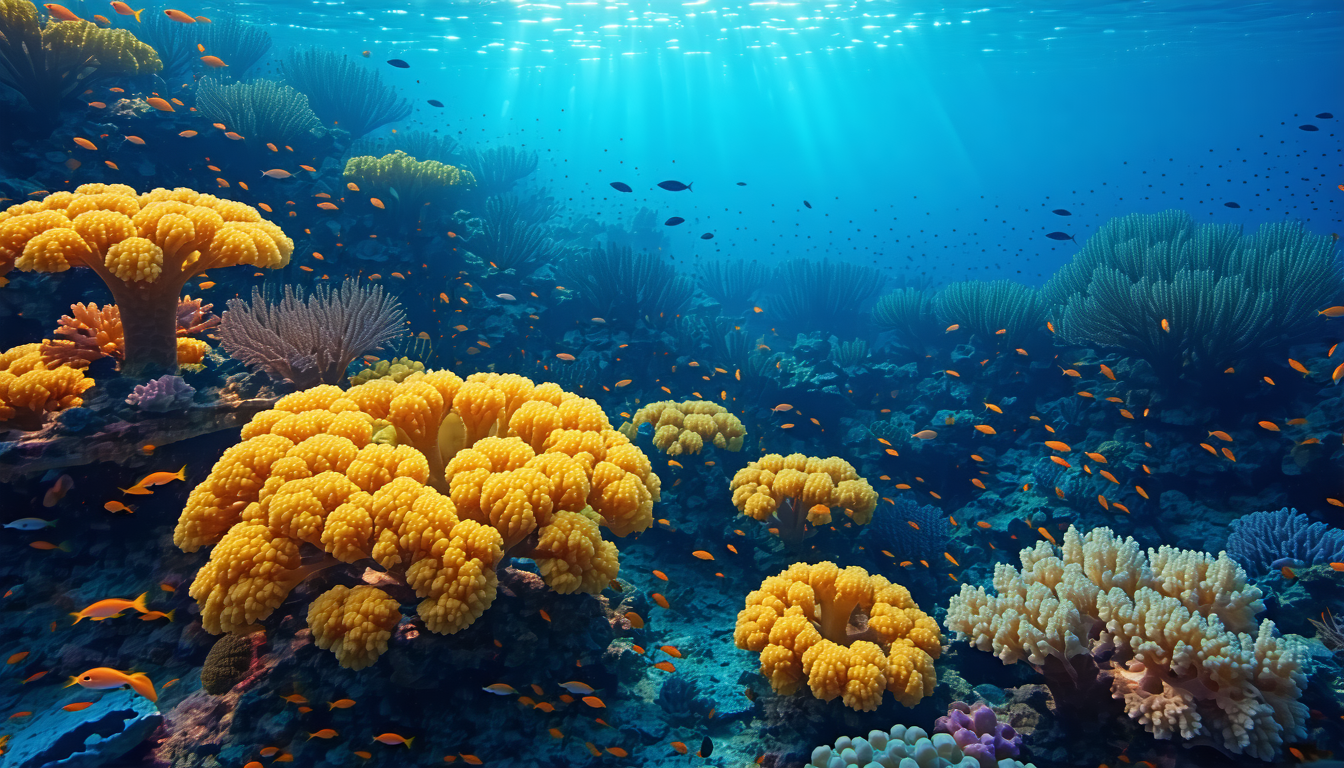
Coral reef ecosystems, which harbor roughly one-quarter of all marine species, face mounting threats from intense tropical cyclones, environmental pollution, and widespread coral bleaching linked to climbing ocean temperatures. Scientists have warned that without intervention, the damage to these critical habitats could become permanent.
Yet a new analysis examining 45,000 coral reef surveys alongside decades of accumulated climate and ocean data has uncovered an encouraging finding: resilient reef systems capable of withstanding climate change pressures exist across 71 countries and 100 distinct regions globally. These include previously unidentified sites throughout the Caribbean, Pacific, and Atlantic waters.
While coral reefs are frequently depicted in grim terms—ecosystems beyond meaningful recovery—the latest research challenges this narrative. Emily Darling, who directs coral reef conservation efforts at the Wildlife Conservation Society and contributed to the study, emphasized the shift in perspective: "Today we know where hope lies, and what we need now is political will."
The timing of this research aligns with international efforts to establish marine and terrestrial protected areas covering 30 percent of the planet's surface by the decade's end, a framework referred to as "30 by 30." The new data can inform how governments prioritize which areas deserve protection status.
During remarks at a press briefing, Darling highlighted a critical gap: only 28 percent of the world's coral reefs currently sit within protected or managed zones. This underscores significant room for expanding safeguards, particularly as the region braces for an approaching period of intensified El Niño conditions.
Stacey Jupiter, who co-authored the research and leads the Wildlife Conservation Society's Global Marine Program, noted that governments can leverage this information to concentrate their conservation budgets on the most resilient reef locations, maximizing survival prospects. She cautioned, however, that certain reefs have deteriorated to such an extent that they may no longer sustain basic ecosystem functions—a reality that will require authorities to make difficult determinations about which areas warrant protection versus restoration investment.
Compare options


