Lebanon's Exclusion From Regional Diplomacy Highlights State Fragility, Says FPM Advisor

Antoine Constantine, a political advisor to the Free Patriotic Movement's leadership, has raised concerns about Lebanon's marginalized role in emerging regional diplomatic frameworks, questioning when the country will move beyond its status as a "failed state."
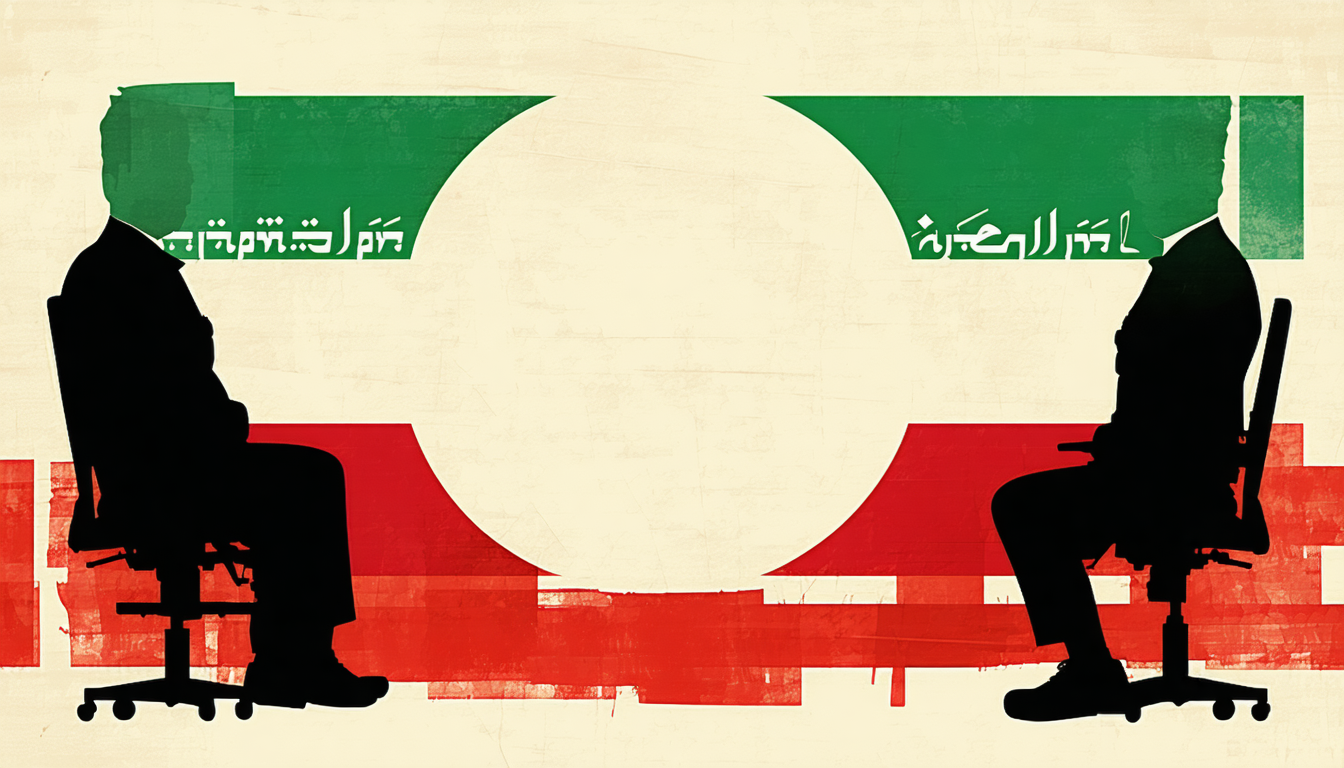
Constantine pointed to reports of an imminent announcement regarding a new multilateral mechanism for addressing disputes with Iran—involving Saudi Arabia, Egypt, Turkey, Pakistan, and potentially Qatar—as emblematic of a troubling pattern. While he acknowledged the potentially positive implications of such regional engagement, he emphasized that Lebanon appears as a subject of negotiation rather than as a sovereign participant at the table.
"Information about an announcement soon regarding the birth of a new framework for resolving disputes with Iran, which includes Saudi Arabia, Egypt, Turkey, Pakistan, and perhaps Qatar. It is a decision table that calls for optimism, but what is sad is that Lebanon is a subject for negotiation at the table, not a country sitting around it… When will the era of the failed state end?" Constantine wrote on social media platform X.
His remarks come at a pivotal moment in regional relations, with intensifying discussions about potential understandings between Washington and Tehran, alongside coordinated efforts by major regional powers to forge a comprehensive settlement framework with implications extending beyond the immediate diplomatic sphere into multiple conflict zones, including Lebanon.
Constantine's intervention highlights a persistent structural vulnerability in Lebanon's position: the country's treatment as a negotiating file on international and regional agendas, contrasted sharply with the absence of a functional Lebanese state apparatus capable of independently shaping outcomes or asserting its interests.
The distinction carries significant weight given Lebanon's current predicament. Military operations in the south, questions surrounding arms proliferation, positioning toward Iran, alongside external pressure from the United States and Arab states, all intersect with efforts to reconstruct state authority. Discussions centering on ceasefire arrangements, troop movements, border demarcation, and weapons control underscore the urgency of establishing a cohesive official Lebanese position—one capable of preventing the country from becoming a peripheral consideration in agreements negotiated without meaningful Lebanese participation.
The inclusion of Saudi Arabia, Egypt, Turkey, Pakistan, and Qatar in such frameworks reflects a widening constellation of actors with stakes in Iran policy, reflecting how regional disputes have become increasingly interconnected across the Gulf, Syria, Iraq, Yemen, and Lebanon. For Lebanon specifically, this expanded engagement presents a double-edged proposition: potential de-escalation benefits should negotiations succeed, or the risk of having its future determined by external parties should it remain a negotiating object rather than an active negotiating subject.
Constantine's invocation of the "failed state" framing transcends domestic institutional critique. The state's absence from decision-making forums stems not merely from weak institutions, but from the fragmentation of power centers within Lebanon and the central government's inability to exercise complete sovereignty over critical matters.
His commentary thus functions as an appeal for the reconstitution of Lebanese state authority as the singular legitimate representative of national interests and protector of Lebanese concerns. This reassertion takes on particular urgency as regional diplomatic activity accelerates and the prospect of Lebanon's destiny being determined in forums where it holds no seat becomes increasingly acute.
Compare options