President Aoun Emphasizes Lebanese Sovereignty in Negotiations, Welcomes International Support
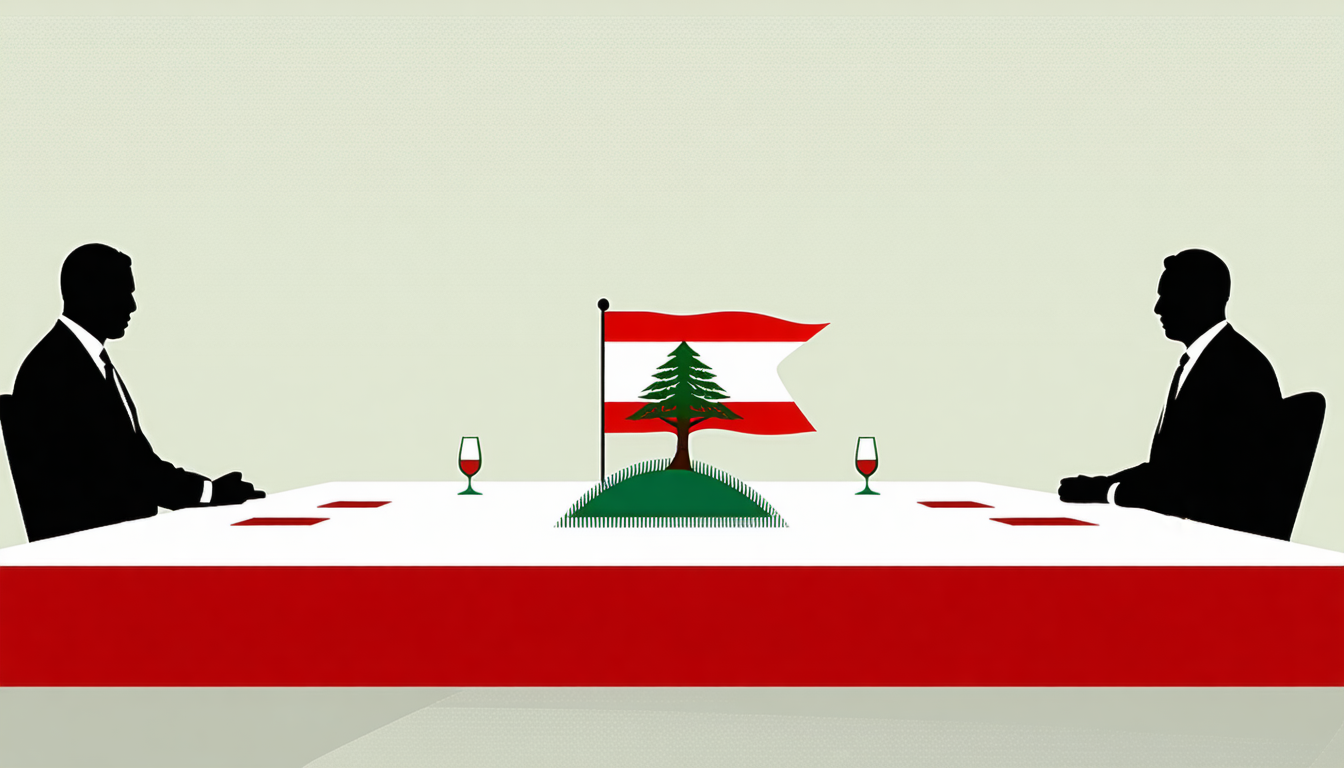
Multiple high-level meetings convened at Baabda Palace on June 17 addressed critical issues including ongoing negotiations, southern Lebanon's security situation, UNIFIL operations, and reconstruction efforts.
Presidential Message on Negotiations and Sovereignty
President Joseph Aoun conveyed a clear message during discussions with a visiting delegation of Maronite bishops from the diaspora: Lebanon maintains an independent negotiating position despite welcoming support from any nation, including Iran. "The Lebanese state conducts negotiations and determines its own decisions—no one substitutes for it, and this has become a matter of conviction for everyone," the president stated. He further reassured citizens that "no external power binds us, and any resolution will result from our choices, not our sacrifice."
The bishop delegation represented Maronite communities across the globe, including representatives from the United States, Brazil, Canada, Argentina, Australia, Colombia, and Mexico, as well as African and European dioceses.
Reflections on War and Peace
Aoun articulated his perspective on conflict, noting that his military background had reinforced his conviction that warfare yields only devastation. He characterized the path to negotiated settlement as potentially lengthy but preferable to the swift destruction wrought by armed conflict.
The president highlighted Lebanon's historical burden, noting that since 1969 the nation has borne the cost of external conflicts fought on its territory. He questioned the necessity of recent warfare that, after thousands of casualties and billions in damages, ultimately returned to ceasefire arrangements. "Should we have needed this latest war to return to a ceasefire?" he asked rhetorically.
Bishop Gregory Mansour, speaking for the delegation, recalled Aoun's CNN interview observation that "war represents bloody negotiation, while negotiations constitute bloodless warfare." Mansour emphasized that reconstruction and peacebuilding demand far greater effort than destruction and warfare.
State Institutions and Civil Peace
Aoun stressed that only state institutions—not sectarian or partisan entities—can provide genuine protection for all citizens. While acknowledging legitimate roles for political parties within democratic frameworks, he rejected their use as instruments for factional advantage. He identified the restoration of state security, administrative, and judicial institutions as the next phase of national development.
Regarding civil peace, Aoun dismissed concerns, characterizing those who threaten it as weakened actors seeking to intimidate populations different from themselves. "Civil peace represents a fundamental boundary," he declared, emphasizing that the subsequent period must focus on state reconstruction and rehabilitation of war-damaged infrastructure.
Diaspora Role and National Identity
The president addressed the Lebanese diaspora directly, emphasizing their global presence and contributions to numerous nations' development. He questioned how external interests and sectarian motivations had brought foreign wars to Lebanese soil, expressing determination to overcome this chapter.
When asked about a message for diaspora communities, Aoun responded: "Tell them: Lebanon is your country. Without a country, one lacks identity. Preserve your nation alongside your faith. Any endeavor without faith cannot succeed. Even after a thousand years abroad, your country remains your unifying force. Maintain confidence in your nation."
Negotiation Progress and International Engagement
The president reported that the Lebanese state, for the first time, independently conducts negotiations rather than having others negotiate on its behalf. He anticipated a new negotiation round the following week, expressing optimism about American administration interest in Lebanese affairs. "He who possesses justice possesses authority," Aoun stated, reaffirming his commitment to advancing Lebanon's interests despite obstacles.
Aoun criticized certain diaspora voices that, in his assessment, "poison the atmosphere and incite against Lebanon," questioning how Lebanese abroad could advocate for undermining their homeland or reducing military support. "If you love Lebanon, you cannot fail to love its army," he asserted. "If you do not love its army, you lack honor."
Infrastructure and Operational Discussions
Separate meetings addressed practical governance matters. Transport Minister Fayez Rasamny briefed the president on land, air, and maritime crossing operations, discussing rehabilitation efforts at Rene Moawad Airport in Klayaat and development plans for Rafic Hariri International Airport under improved governance standards.
General Deodato Abagnaara, commander of UNIFIL forces in southern Lebanon, met with Aoun alongside UN Acting Special Coordinator Imran Riza to discuss operational challenges and harassment encountered by international peacekeepers. The president renewed condolences for fallen international personnel and acknowledged their sacrificial commitment to Lebanese peace.
Diplomatic and Advisory Engagement
Danish Ambassador Christopher Vivike concluded his Beirut posting with a farewell meeting, during which Aoun acknowledged Denmark's consistent support—including its ranking as the tenth-largest donor nation—and thanked the ambassador for strengthening bilateral relations across multiple sectors.
A delegation from the Alpipac group and its advisory council, including Paul Hindi, Joseph Al-Hajj, and Pamela Qasifi, discussed efforts to strengthen Lebanon's standing within American political and administrative circles. Discussions emphasized congressional outreach, investment encouragement, and alignment with supportive legislation and initiatives. Attendees stressed the importance of capitalizing on current international momentum while maintaining focus on Lebanese priorities and requirements.
The delegation underscored the Lebanese military's essential role in stability maintenance and advocated for sustained international support strengthening state institutional capacity.
Engineer Muhammad Qabbani, president of the Council for Development and Reconstruction, along with vice presidents Ibrahim Shahrour and Youssef Karam and Secretary-General Ghassan Khairallah, met with the president to review council operations, ongoing planning initiatives, and implementation obstacles.
Compare options