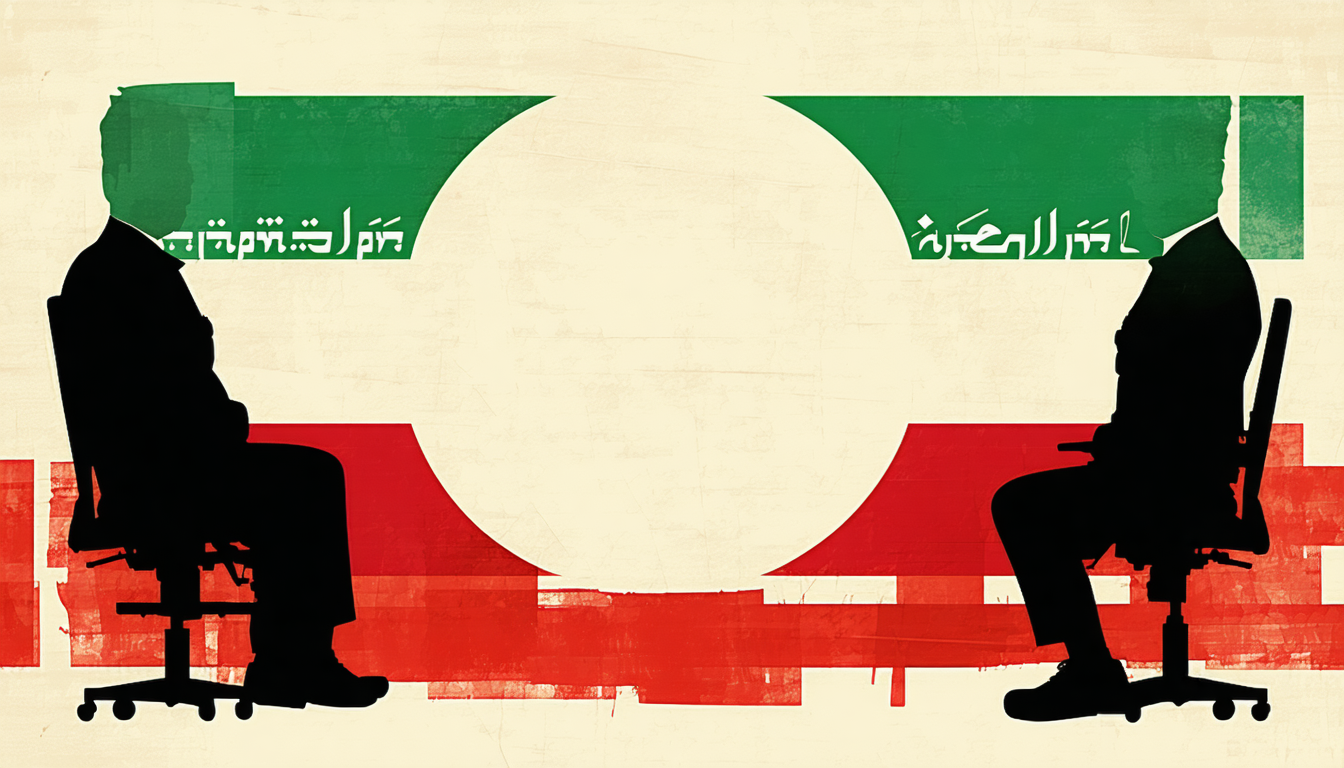
Netanyahu Faces Growing Rift with Trump Over Iran War Strategy, Sources Suggest

Tensions between Israeli Prime Minister Benjamin Netanyahu and U.S. President Donald Trump have intensified following an agreement between Iran and America, with Israeli observers warning that Netanyahu lacks a contingency plan as the conflict with Iran has evolved from what was expected to be straightforward into a multifaceted crisis.
According to reporting by journalist Itamar Eichner on the Israeli news site Ynet, Trump initially believed the confrontation with Iran would prove simple—a characterization he may have adopted from conversations with Netanyahu and Mossad chief Dadi Barnea during their White House meeting. The U.S. President later found this assessment to be inaccurate, contrary to warnings from senior administration officials who had flagged the situation's complexity from the outset.
In the period preceding military action, Trump favored Netanyahu's judgment, even as American officials within his administration maintained skepticism about the situation's straightforwardness. The President ultimately chose to defer to Netanyahu's analysis before subsequently recognizing the extent of the complications involved.
The conflict's trajectory shifted dramatically when Iran refused to yield despite significant exchanges of military force. Instead, Iran closed the Strait of Hormuz and created global reverberations. At this juncture, Trump reassessed the situation and determined that de-escalation and damage limitation had become necessary priorities. While the American President pursued various strategies to conclude the war, including threats directed at Iran, these measures failed to achieve the intended effect.
When Israel subsequently launched strikes on Beirut, American officials interpreted the action as deliberately defiant toward Trump's position. From Washington's perspective, the United States had committed itself as a partner in the conflict, only to discover that Netanyahu was simultaneously conducting behind-the-scenes efforts to obstruct peace negotiations. Israeli sources familiar with Trump's thinking indicated that the President held this view, as did members of his inner circle.
Trump maintains support for Israel and acknowledges its dependence on American backing, yet he characterized the Beirut operation as an ungrateful gesture that contradicted his interests. One informed source remarked: "He understood that Bibi's vision was not his vision. Bibi wanted something else. Bibi did not want to end the war. He did not want an agreement. He wanted to return to bombing."
Trump reportedly told Netanyahu that he was "completely crazy," a comment attributed to Pod Force One and the New York Post.
Signaling his displeasure, Trump subsequently suggested uncertainty regarding whether Netanyahu would participate in upcoming Israeli elections—a statement widely interpreted as a political warning. Trump further criticized Netanyahu by announcing a proposal for Syria to assume responsibility for addressing the Hezbollah situation.
In Trump's assessment, rocket fire from Hezbollah directed at northern Israeli towns represents an acceptable situation provided no casualties result. Additionally, Trump stated that regime change in Iran was never an objective, characterizing the current Iranian government as behaving rationally.
Trump appears to believe Netanyahu's options are constrained and that the Israeli leader lacks alternative backing or influence within American political circles, effectively placing him within Trump's control. Netanyahu apparently recognizes this reality and understands that severing ties with Trump is not viable, yet he confronts an approaching moment requiring either direct confrontation with the American President or an attempt to reshape Trump's position.
The disagreement extends beyond tactical differences between Washington and Tel Aviv, instead representing a deeper crisis in the Trump-Netanyahu relationship. The situation in Beirut has transformed from a military theater into a confidence crisis with potential to escalate into political confrontation that neither party desires but toward which both are moving.
Compare options