AI and Unmanned Systems Fundamentally Reshape Modern Military Strategy
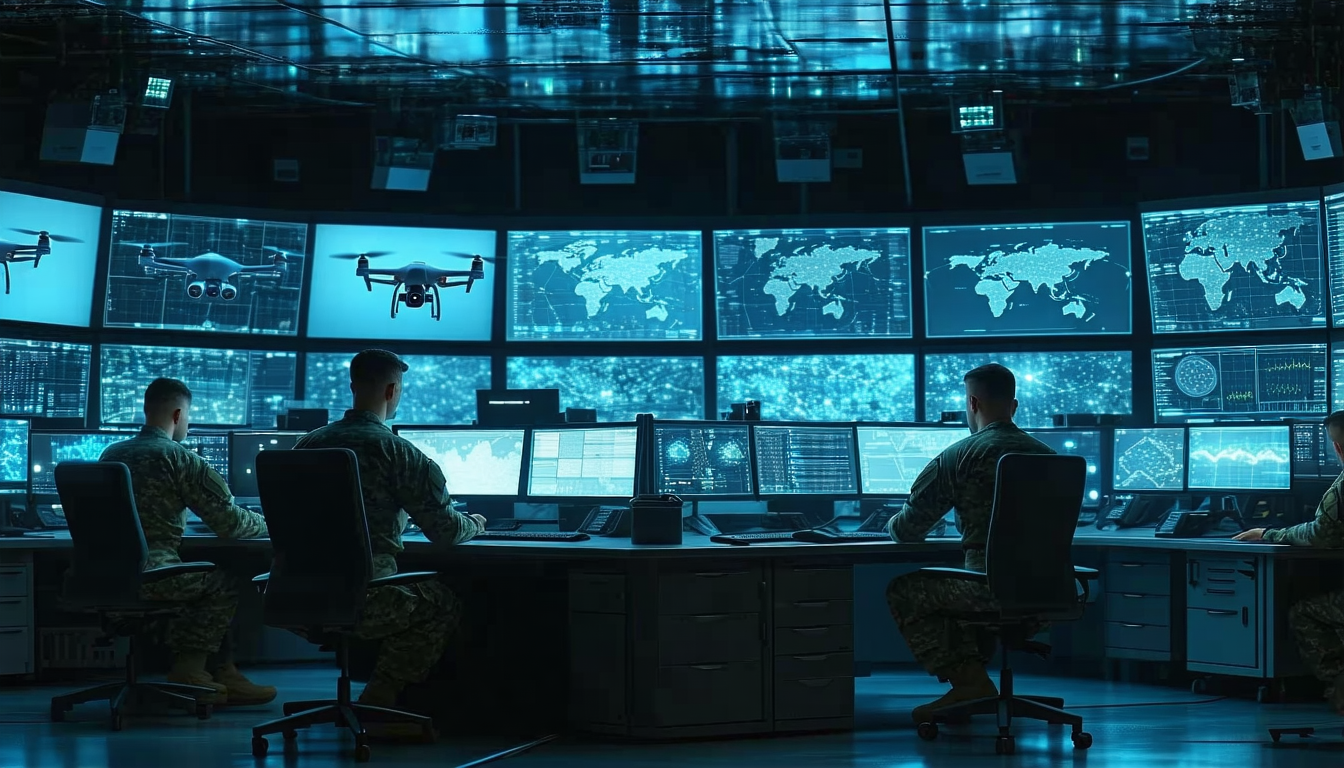
Modern conflicts are experiencing unprecedented shifts in how militaries conduct operations, with unmanned systems and artificial intelligence now playing decisive roles on the battlefield. The traditional model of warfare centered on human combatants has given way to integrated approaches incorporating drones, autonomous vehicles, and robotic systems as fundamental components of military strategy.
The ongoing conflict in Ukraine exemplifies this evolution, where unmanned aerial systems have become indispensable for reconnaissance, strike missions, and supply chain operations. The scale of drone deployment in this theater underscores how thoroughly technology has penetrated contemporary military doctrine.
A significant economic dimension has emerged from this shift. Low-cost unmanned platforms can now systematically deplete expensive defensive systems, fundamentally altering the calculus of military power. This asymmetry has forced strategic reassessment across military establishments worldwide.
However, humanoid combat robots remain largely theoretical rather than practical. Technical limitations—including movement constraints, battery endurance, and difficulties navigating complex combat environments—continue to restrict their deployment in actual operations.
Military analysts envision a different trajectory for future warfare. Rather than science-fiction scenarios featuring autonomous soldiers operating independently, the emerging model emphasizes hybrid frameworks that integrate artificial intelligence with human expertise. In this arrangement, intelligent systems would process information rapidly and generate tactical recommendations, while drones and autonomous vehicles execute high-risk operations that would otherwise endanger personnel.
The transformation unfolding across global militaries centers not on replacing soldiers with robots, but on embedding artificial intelligence throughout command structures and decision-making processes. This integration will accelerate the tempo of military operations while simultaneously increasing their complexity, fundamentally changing how nations wage war.
Compare options


