Early Obstacles Emerge for US-Iran Accord as Critical Issues Remain Unresolved
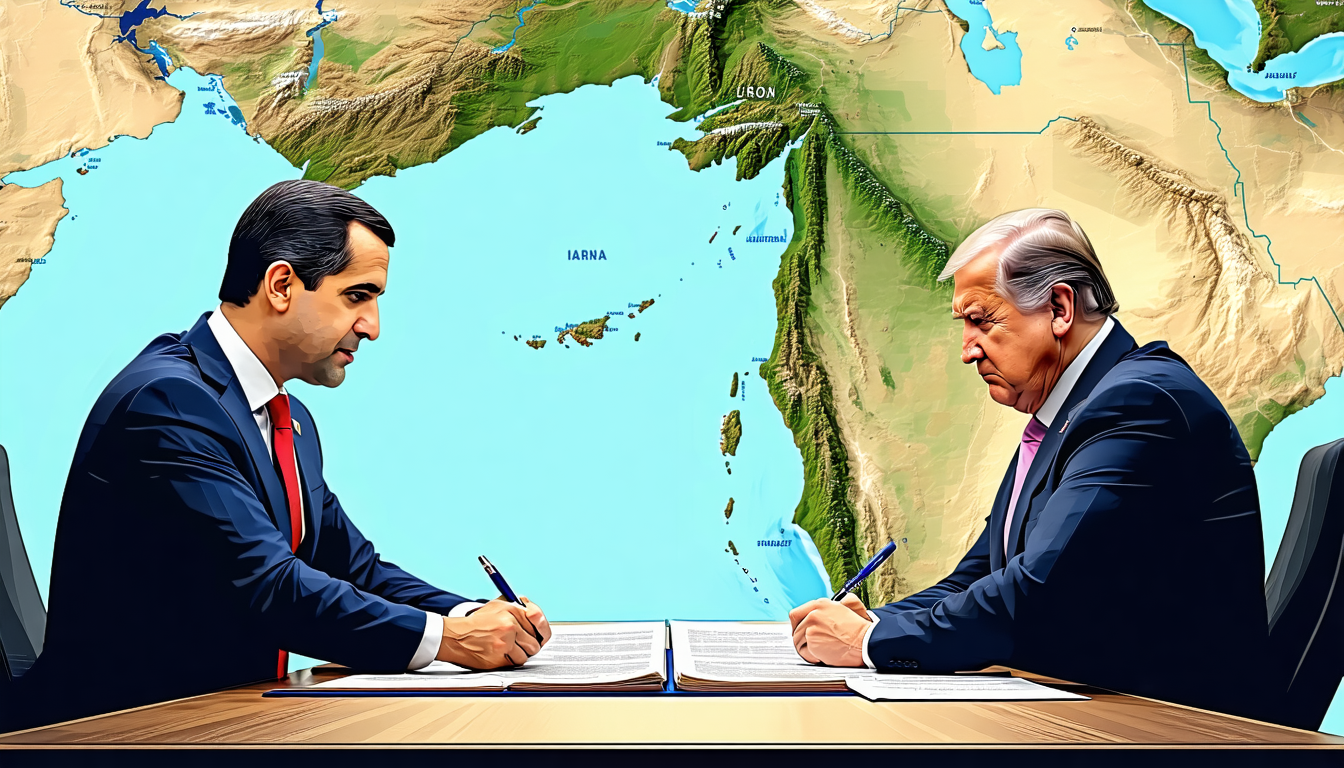
While the recently announced understanding between Washington and Tehran has drawn praise for potentially de-escalating regional tensions and bringing an end to ongoing hostilities, significant hurdles threaten the agreement's stability and ultimate success.
Reuters reporting indicates that the accord will face crucial tests in the weeks ahead that could prove decisive for its viability. Among the most pressing concerns are developments in Lebanon, Iran's nuclear capabilities, and control of the Strait of Hormuz.
The Lebanese situation represents a particularly delicate challenge moving forward. The agreement explicitly calls for halting military operations across multiple fronts, including Lebanese territory. Yet recent statements from Israeli officials—particularly Defense Minister Yisrael Katz's refusal to commit to a Lebanese withdrawal—have cast doubt on whether the accord can enforce a genuine ceasefire along the southern border.
On Iran's end, several fundamental questions have been deferred to negotiating sessions scheduled over the next sixty days. These unresolved matters include the disposition of Iran's nuclear program, its reserves of highly enriched uranium, ballistic missile capabilities, and the extent of Tehran's regional influence and ties with allied powers.
The question of Iran's frozen assets and sanctions relief has emerged as another major friction point. Washington insists on tying any sanctions easing or fund releases to Iranian compliance with agreement terms, while Tehran seeks immediate economic concessions to demonstrate the accord's tangible benefits.
The Strait of Hormuz, a centerpiece of the agreement, continues to generate friction between the parties. President Donald Trump has stated the waterway will reopen to international shipping, yet Tehran seeks expanded authority in managing this critical maritime corridor. Reports suggest negotiations' final stages involved discussions about additional arrangements and fees related to the strait's passage.
Analysts note that the accord has succeeded in preventing further escalation toward wider regional conflict. However, experts caution that numerous essential matters have been pushed to future negotiating rounds, whose outcomes remain uncertain and could ultimately determine whether the agreement endures.
Compare options


