Washington and Tehran Reach Historic Peace Agreement After Months of Tension
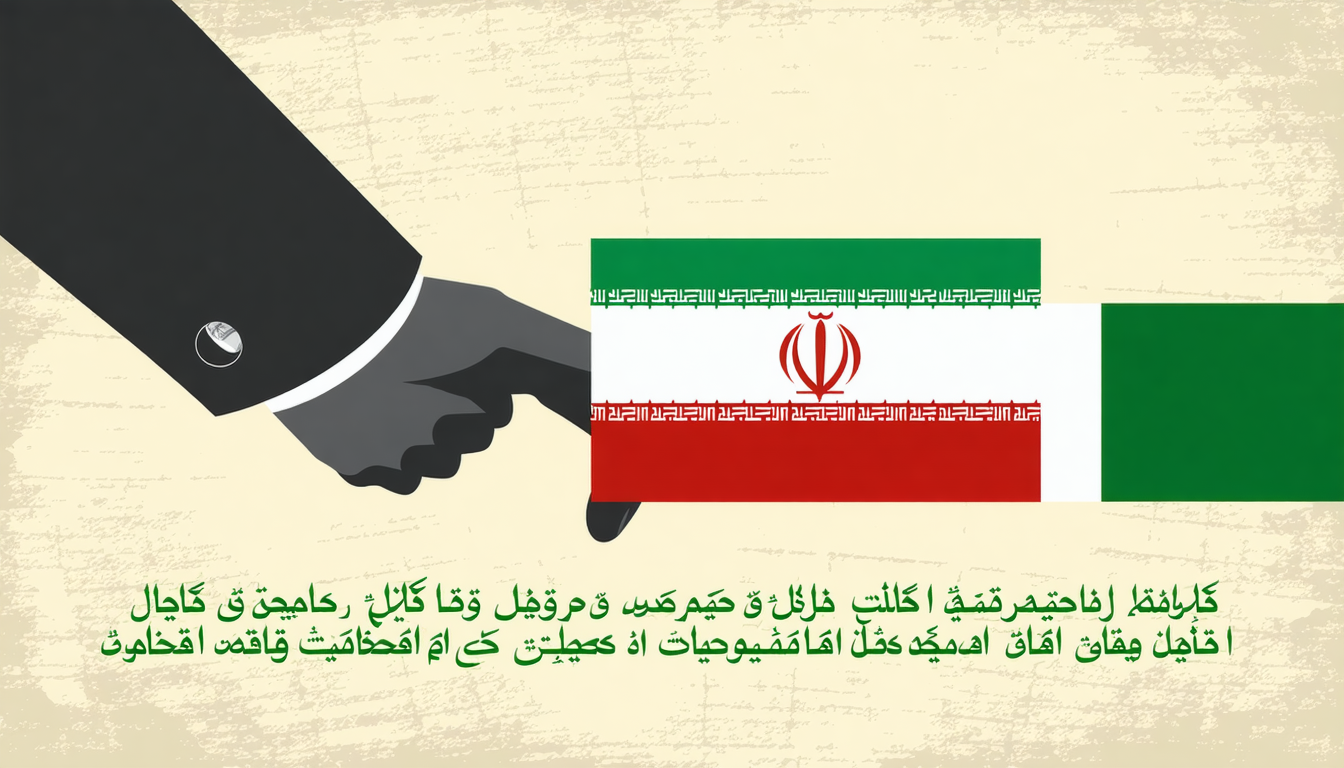
A significant realignment of US-Iranian relations has taken shape with the announcement of a peace agreement between the two nations, marking a departure from the military confrontations that have characterized recent months. The development promises to reshape political and security dynamics across the Middle East.
Pakistani Prime Minister Shahbaz Sharif confirmed on Sunday evening that mediation efforts had succeeded, with President Donald Trump subsequently announcing American acceptance of the accord. Simultaneously, Iranian officials disclosed the conclusion of a memorandum of understanding that establishes pathways for ending hostilities and proceeding toward comprehensive negotiations.
Core Elements of the Agreement
The preliminary accord mandates an immediate and indefinite halt to military operations across all theaters, including Lebanon. Key provisions include termination of the naval blockade surrounding Iran and restoration of shipping through the Strait of Hormuz. Both sides have committed to a 60-day negotiation window to resolve remaining disputes.
The Iranian Mehr Agency outlined 14 specific provisions within the memorandum. These encompass removal of the American naval blockade, reopening of the Hormuz Strait, suspension of sanctions targeting Iranian oil and petrochemical sectors, and the release of approximately $24 billion in frozen Iranian assets as confidence-building measures.
Final negotiations will address the Iranian nuclear program and sanctions mechanisms comprehensively. However, the preliminary agreement explicitly excludes Iran's ballistic missile capabilities and regional partnerships from direct negotiation frameworks.
According to Iranian sources, the arrangement includes a $300 billion reconstruction plan for Iran, alongside international legitimization through an anticipated UN Security Council resolution following formal signing and implementation.
Path to Agreement
The crisis originated on February 28 when military confrontation erupted between the parties. A temporary ceasefire took effect on April 8, enabling indirect communication channels facilitated by regional and international intermediaries. Subsequent weeks saw intensified diplomatic engagement that eventually produced an initial understanding, which evolved into the current formal framework.
Last-Minute Crisis
The agreement nearly collapsed during final hours preceding the announcement. An Israeli military operation targeting Beirut's southern suburbs triggered substantial concern within American circles regarding potential breakdown of negotiations and renewed military escalation.
American officials accelerated communications with Qatari and Iranian counterparts to forestall a comprehensive Iranian military response, based on intelligence assessments indicating Tehran was contemplating significant strikes against Israel.
Iran's Fars Agency reported that the Beirut operation brought negotiations to the precipice of failure, with preparations underway for broad military action across multiple fronts. President Trump's personal engagement and what Iranian sources characterized as "new concessions" proved decisive in restoring negotiating momentum.
Last-minute modifications included accelerating the naval blockade's removal to take immediate effect rather than over 30 days. Additional language emphasized immediate cessation of warfare across all territories, specifically referencing Lebanon, while reaffirming commitment to Lebanese sovereignty and territorial integrity.
Mutual Commitments
Both nations have undertaken reciprocal obligations. The United States commits to ending military operations, progressively dismantling sanctions, and removing restrictions on Iranian oil exports. Iran pledges to refrain from nuclear weapons production or acquisition, and to negotiate within 60 days regarding procedures for dismantling highly enriched uranium reserves.
Trump cautioned that the current arrangement constitutes only a preliminary settlement. He warned that unsuccessful nuclear program negotiations would necessitate reconsideration of military options.
Looking Forward
The formal signing ceremony is scheduled for Switzerland on June 19. International observers anticipate the agreement could inaugurate a period of enhanced regional stability, though successful implementation remains contingent on both parties' commitment to their pledges and their capacity to navigate more intricate issues during the forthcoming negotiation phase.
Compare options


