Palestinian Football in Crisis: League Suspended, Players Struggling, Future Generation at Risk
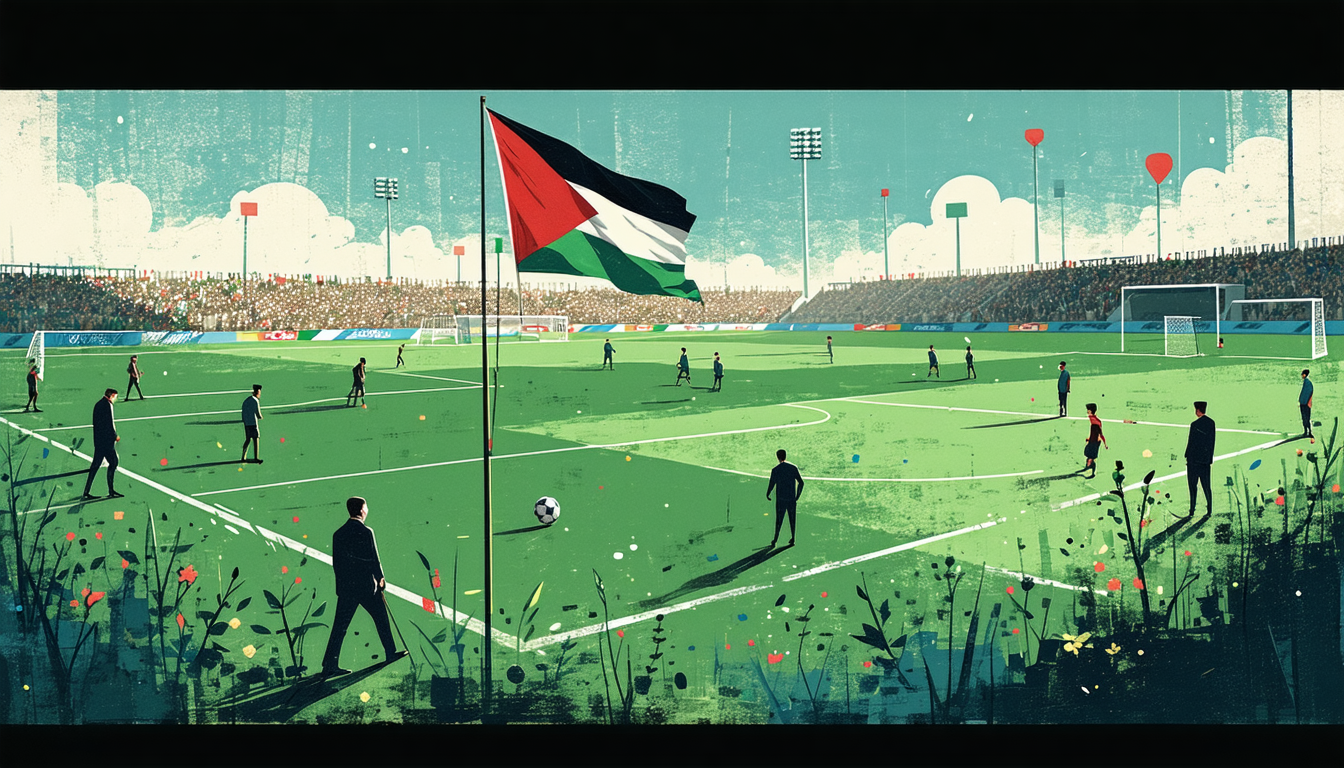
The Palestinian Professional League remains shuttered, its return date uncertain. For 23-year-old Hijazi, the reality is stark: he now spends his days near small playgrounds in Sheikh Jarrah in occupied East Jerusalem, distributing refreshments to young players and clinging to the sport that shaped his life.
A former national team player and member of Hilal Al-Quds Club—a team founded by his own grandfather—Hijazi watched his football career evaporate when the October 7, 2023 attacks and the subsequent war transformed Palestinian society. For him, as for countless others, football was never merely employment; it was a fundamental part of daily existence.
The Economics of Collapse
Before the league's suspension, professional players in the Palestinian system earned between $2,000 and $3,000 monthly, with national team members receiving approximately $7,000. Today, those figures belong to a vanished era.
Khaled Abu Dalu, a former national team coach running a football academy in Jerusalem, has watched his former stars disappear from the sport entirely. Many now work in construction, barbering, mechanics, or retail—professions that bear no relation to their athletic training. The crisis extends beyond individual hardship; it strikes at family survival, as players who once provided stable monthly income now scramble for any available work.
The deterioration is dramatic. One player who previously earned $5,000 monthly now survives on approximately $500. Another athlete from Bethlehem, once dependent entirely on football, now works two days weekly in the West Bank for minimal compensation insufficient to support his family.
Military escalation in the West Bank, road closures, and increased settler violence have made movement between cities treacherous for players, further crippling the league's ability to function.
Seeking Opportunities Abroad
Facing a closed domestic league, some players have taken controversial steps. Several have joined Israeli leagues, a politically sensitive decision that reflects the desperation of athletes seeking to practice their profession and maintain financial stability.
Others have ventured further afield. Between 70 and 80 players relocated to Libya, roughly 10 to Egypt, with smaller numbers moving to Jordan, Qatar, Kuwait, Malaysia, and Indonesia. Some of these nations classify Palestinian athletes as domestic rather than foreign players, reducing contractual costs and making opportunities more accessible.
However, this exodus is incomplete. Many players, according to coaches, effectively vanish from professional football entirely. For those who do secure external offers, the path back proves difficult; athletes must first rebuild their fitness and competitive edge within a local league before attempting sustained international careers.
A Generational Catastrophe
The most alarming consequence affects young talent. Every year the league remains suspended represents the loss of an entire generation, according to coaching staff. Teenagers who should have entered first-team squads at 18 have either abandoned the sport or lost the motivation to continue. Three to four years represents a complete generational cycle in football—the span between World Cups.
Coaches who trained young players in 2023 report that none of those prospects continue playing today. The academies scattered across Palestinian communities, many operated by former athletes, face an uncertain future as young talent either departs or never develops.
In Sheikh Jarrah's modest facilities, children as young as 12 train under the watchful eyes of retired players. Real talent exists among them, coaches acknowledge, yet many will likely face identical fates if the suspension persists. An 18-year-old denied competitive opportunity faces a binary choice: become a coach or abandon football permanently.
A Glimmer of Hope
The Palestinian women's national team provided a rare bright spot. In April 2025, the squad captured the West Asian Women's Championship for the first time, defeating Jordan in the final. Laila Atma, an 18-year-old player from Beit Hanina and U-20 team member, described how players drew motivation from the knowledge that people in Gaza were watching and supporting them.
Yet even this achievement cannot obscure the broader devastation. The clubs where Atma previously competed have vanished. She knows few girls her age still playing football in Jerusalem. Without competitive outlets and training opportunities, talent cannot flourish.
Financial Obstacles to Recovery
Hopes for a reduced league format after the summer break face significant headwinds. Palestinian clubs suffer acute funding shortages following Israel's freeze on Palestinian Authority funds and declining support from local business figures. Projected player salaries upon the league's potential return may not exceed 500 shekels monthly, with some athletes receiving nothing.
The cumulative effect has been summarized starkly: Palestinian sports have regressed two decades.
Yet some refuse despair. Coaches point to the network of academies across Palestinian territories, many directed by former players, as potential foundations for future revival. The infrastructure for renewal exists, even as the present moment remains defined by loss and uncertainty.
Compare options


