Syrian Economy Benefits from Alternate Iraqi Oil Route Through Regional Tensions
A newly released report highlights how geopolitical disruptions in the Middle East have created unexpected economic opportunities for Syria, transforming a long-neglected overland corridor into a vital energy transport hub.
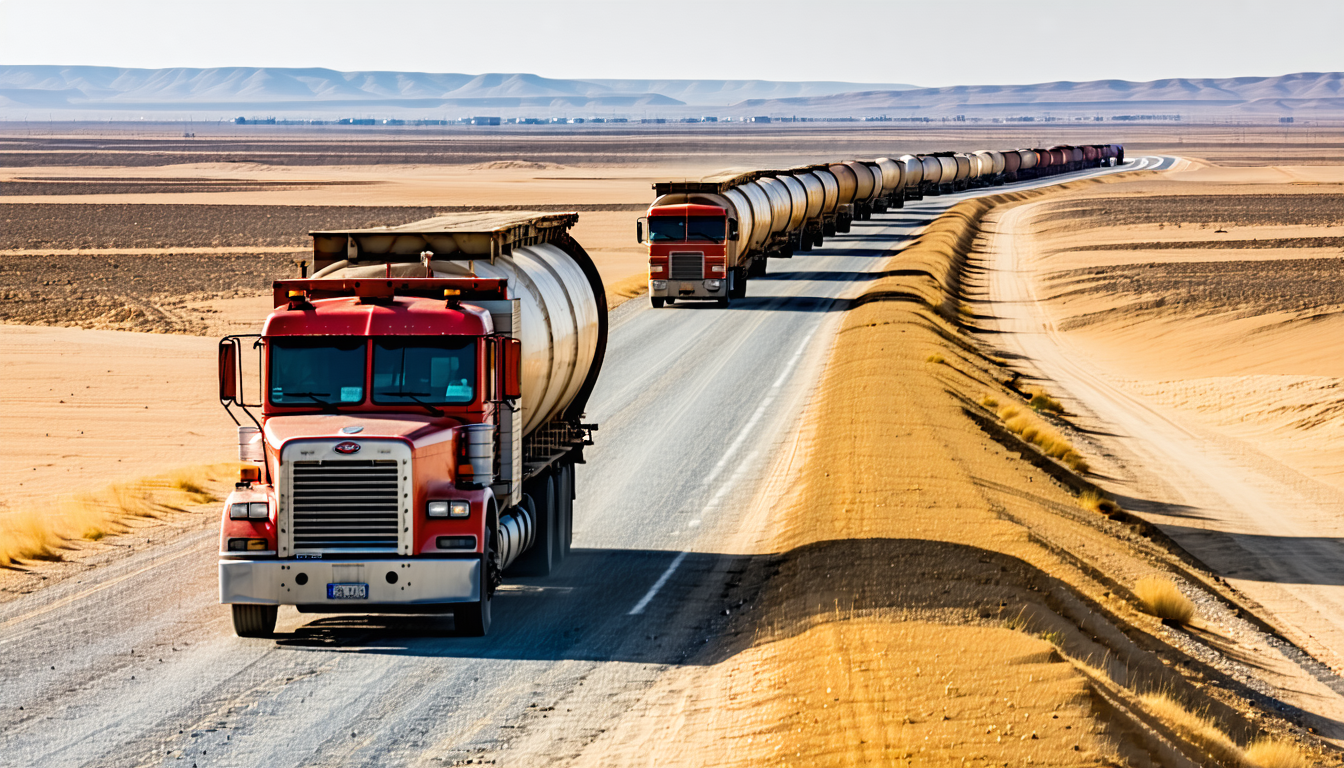
The 860-kilometer land route stretching from Ramadi in Iraq through western Syria to the Mediterranean coast has undergone a dramatic transformation. Once characterized as largely barren and sparsely traveled, the pathway now bustles with truck traffic carrying crude oil. Vehicles transport their loads across terrain dotted with historical sites and thinly populated settlements before reaching the Baniyas facility on Syria's Mediterranean shoreline, where cargo is unloaded before trucks return to Iraq for refueling in what has become an increasingly systematic operation.
The closure of the Strait of Hormuz has forced Middle Eastern oil exporters to seek alternative shipping methods. Iraq, among the world's largest petroleum producers, faces significant geographical constraints that complicate direct maritime exports. These limitations have made land-based transportation through Syria an attractive option for Iraqi oil shipments.
Iraq aims to export approximately 4 million barrels daily, yet current logistical infrastructure limits truck-based transport capacity. While less efficient than traditional pipeline systems, road transport provides a workable interim solution given current circumstances.
The arrangement also supplies fuel to certain Syrian power generation facilities, filling a gap created by reduced access to Iranian and Russian energy supplies that previously supported the country's electricity needs.
The financial arrangement benefits multiple parties. The Syrian government collects crossing fees, with border authorities and the Syrian Oil Company—which oversees storage and operations at Baniyas—both receiving revenue shares. Private trucking firms involved in transport logistics also participate in the revenue stream.
Daily revenues generated through these operations range between $1 million and $2 million. More than 1,000 trucks traverse the route daily, moving volumes equivalent to roughly 5% of Iraq's pre-crisis oil export levels. Despite representing a fraction of normal trade volumes, this throughput generates sufficient financial returns to benefit all stakeholders while easing storage pressures on Iraqi facilities.
If the Strait of Hormuz blockade persists, reliance on this terrestrial route may expand substantially. The development positions Syria as a potential major transit hub for regional energy commerce, as Middle Eastern nations pursue route diversification and explore more resilient export alternatives.
Compare options


