Iran Warns of Regional Energy Disruption if Oil Infrastructure Attacked
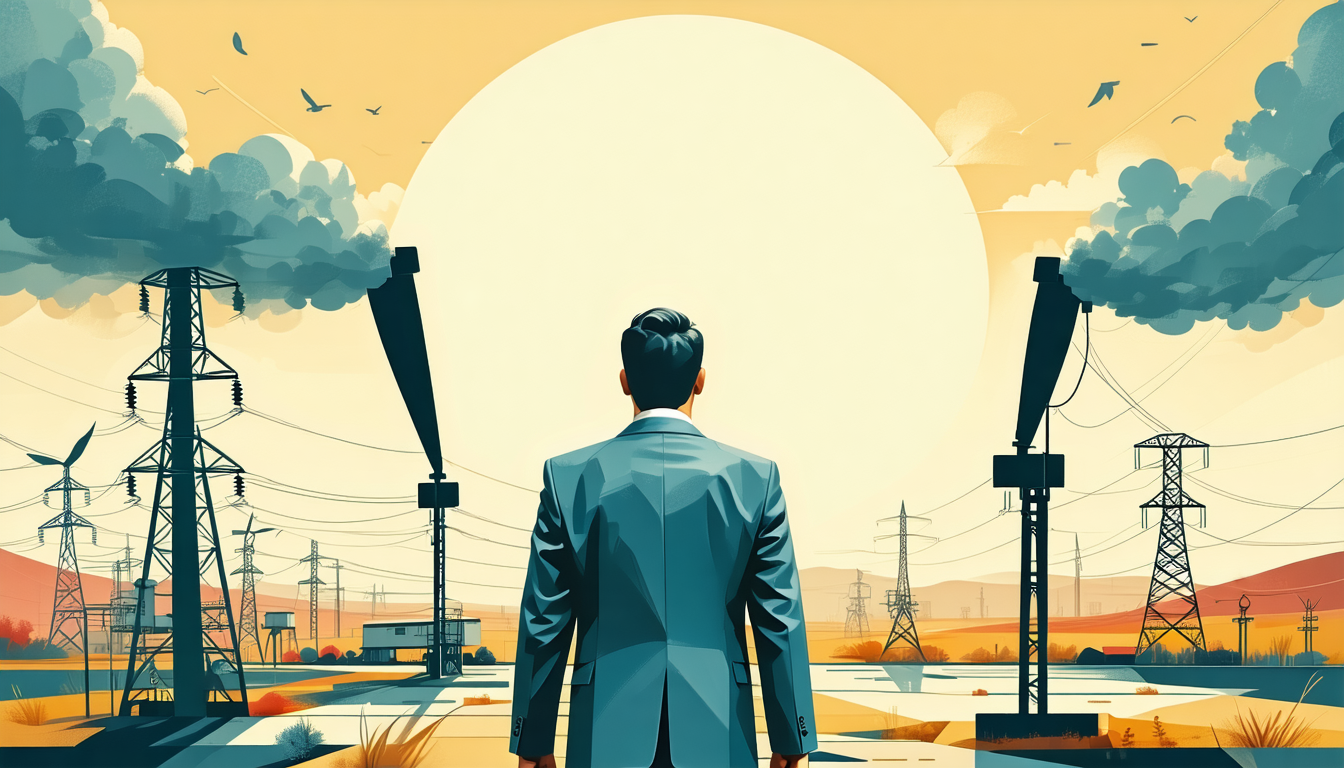
A senior Iranian military commander has issued a stark warning to the United States, declaring that if Iranian oil and gas facilities come under attack, energy supplies will be cut off globally rather than just to Western markets.
Major General Ali Abdullah, head of the "Khatam al-Anbiya" headquarters, made the declaration through official Iranian media channels. His statement appears to be a direct response to recent threats by US President Donald Trump, who suggested the United States could soon take control of Khark Island and other Iranian energy infrastructure points.
According to Abdullah, the fundamental problem lies in what he characterized as American duplicity. While US officials speak of dialogue and agreement, they simultaneously pursue hostile military actions—a contradiction that Abdullah blamed for regional instability and threats to international commerce, particularly affecting shipping through the Strait of Hormuz.
The Iranian commander accused Washington of misunderstanding both the Iranian people and their armed forces, describing repeated American statements as part of a propaganda campaign. He contended that media strategies cannot erase what he termed American military defeats at the hands of the Islamic Republic or conceal Washington's inclination to initiate conflicts.
Abdullah issued a direct caution to the United States, asserting that any fresh military strikes against Iran would provoke a more severe response than previous incidents. He predicted that such escalation would cause conflict to intensify and spread throughout the region amid worsening instability.
Trump's threat, delivered on Thursday, specifically mentioned the possibility of striking Iranian oil facilities to grant Washington control over Tehran's energy exports. However, the American president later moderated his stance that same day, indicating that discussions had reached the highest levels of Iranian leadership and received approval—suggesting that diplomatic channels remain active despite the escalating rhetoric and military posturing.
The situation unfolds at a particularly precarious juncture. The Strait of Hormuz, one of the world's most critical energy corridors, sits at the center of current tensions. Any disruption to oil and gas flows through this waterway would reverberate immediately through global markets and heighten anxiety among countries dependent on energy imports.
Iran appears to be leveraging its energy resources as a primary deterrent against American pressure. The country's position reflects a calculation that damage to its oil sector would not be confined to Iran alone but would cascade through the entire Gulf export system. The phrase "either everyone or no one" functions as a multifaceted message—political, economic, and strategic—directed at Washington and allied nations.
For the United States, the threatened action against Iranian energy infrastructure forms part of a broader pressure campaign designed to compel Tehran into accepting American terms, particularly regarding nuclear negotiations and maritime security. Yet such threats carry substantial risks; targeting energy facilities could transform the confrontation from a localized military engagement into a worldwide economic crisis affecting petroleum prices and supply networks globally.
The current dynamic presents a precarious balance. Diplomatic pathways remain theoretically open, yet miscalculation could shift the standoff from negotiating rooms directly into the energy markets, where consequences would extend far beyond Iran and the United States to affect the global economy as a whole.
Compare options


