Lebanon Launches Major Seedling Distribution Initiative to Bolster Agricultural Production
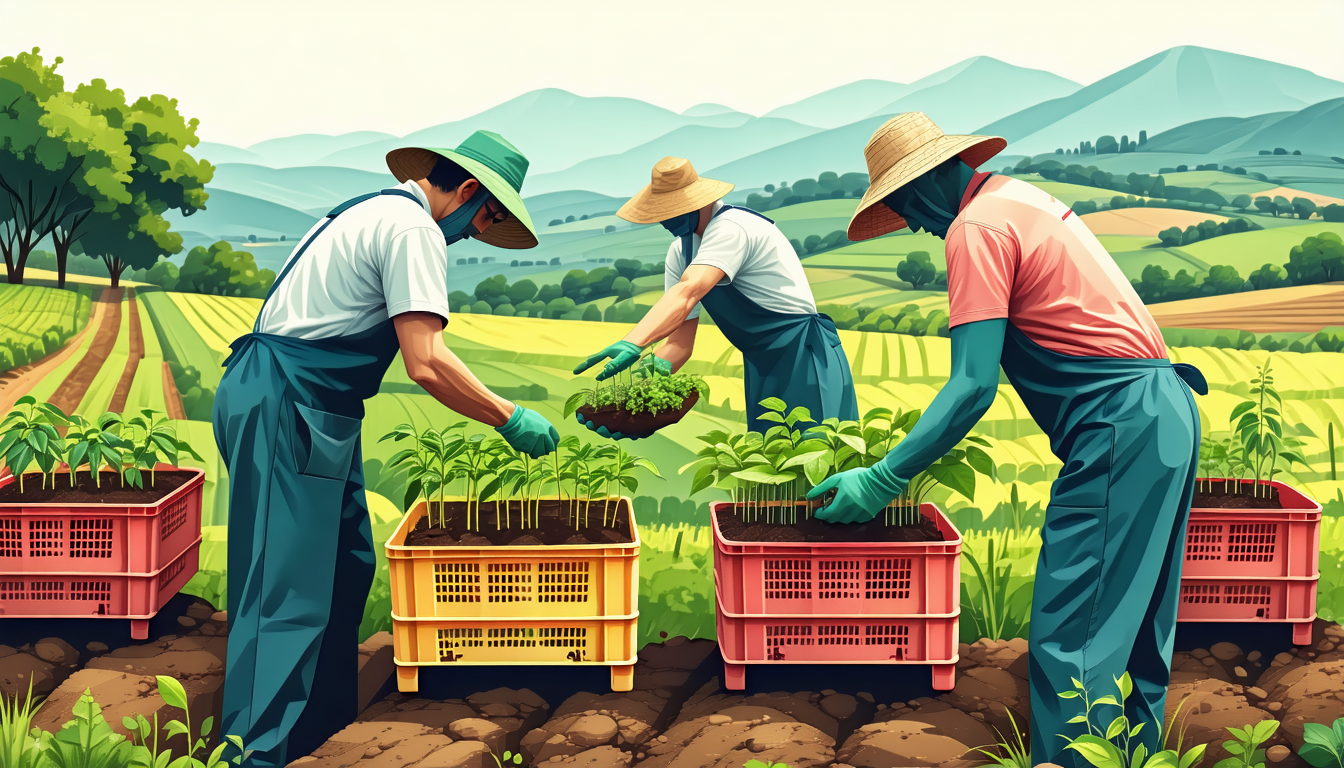
A joint effort between Lebanon's Ministry of Agriculture and the United Nations Development Program has begun distributing 1.5 million vegetable seedlings nationwide, supported by funding from the German government as part of the "Together for Food Security" campaign.
The initiative addresses escalating pressures on Lebanon's agricultural sector stemming from Israeli military operations and the country's ongoing economic and humanitarian crises. Germany, acting through the German Development Bank (KfW) in collaboration with UNDP, has committed resources to help the Ministry of Agriculture strengthen food security by implementing practical programs that enable vulnerable farming communities to sustain and expand local production across Lebanon's diverse regions.
The seedling distribution project represents a significant component of the Ministry's broader agricultural recovery strategy. By expanding cultivated areas and providing quality agricultural inputs, the program aims to revitalize production cycles, secure income sources for farming families, and preserve the stability of rural communities dependent on agriculture.
Germany remains Lebanon's largest bilateral donor, with substantial investments directed toward agricultural resilience and food security. During 2026 alone, the German government has committed 153.3 million euros in combined humanitarian and development assistance to support those impacted by conflict and displacement.
The initial phase will produce and distribute 500,000 seedlings of various vegetable types to farmers located in regions above 500 meters in altitude across Lebanon's governorates, selected based on climatic suitability for current seasonal cultivation. These seedlings are being produced at the Ministry of Agriculture's nursery facility in Abda, Akkar, which serves as a model demonstration of the Ministry's commitment to strengthening domestic agricultural capacity and supply chains.
Distribution occurs through the Ministry's network of agricultural centers, coordinated with municipal unions and municipalities using transparent mechanisms designed to ensure equitable access for eligible farmers. Beneficiaries are identified through the National Farmers' Register to guarantee support reaches those most in need.
The broader funding framework channels resources through the German Development Bank as part of UNDP's initiative to enhance food security by revitalizing Lebanon's seed production value chain through the National Agricultural Scientific Research Service (LARI). The comprehensive program encompasses rehabilitation of fundamental agricultural infrastructure, strengthening the national wheat seed production system, improving access to high-quality agricultural inputs, and building the institutional and technical capacity of both LARI and the Ministry of Agriculture.
Officials emphasize that agricultural support constitutes a direct investment in Lebanon's long-term economic stability and resilience. The Ministry continues expanding partnerships with international donors and local institutions, viewing sustained investment in farming communities as essential to maintaining food security and supporting sustainable development across the country.
Compare options


