Wireless vs. Wired Surveillance: Weighing the Trade-offs for Home Security
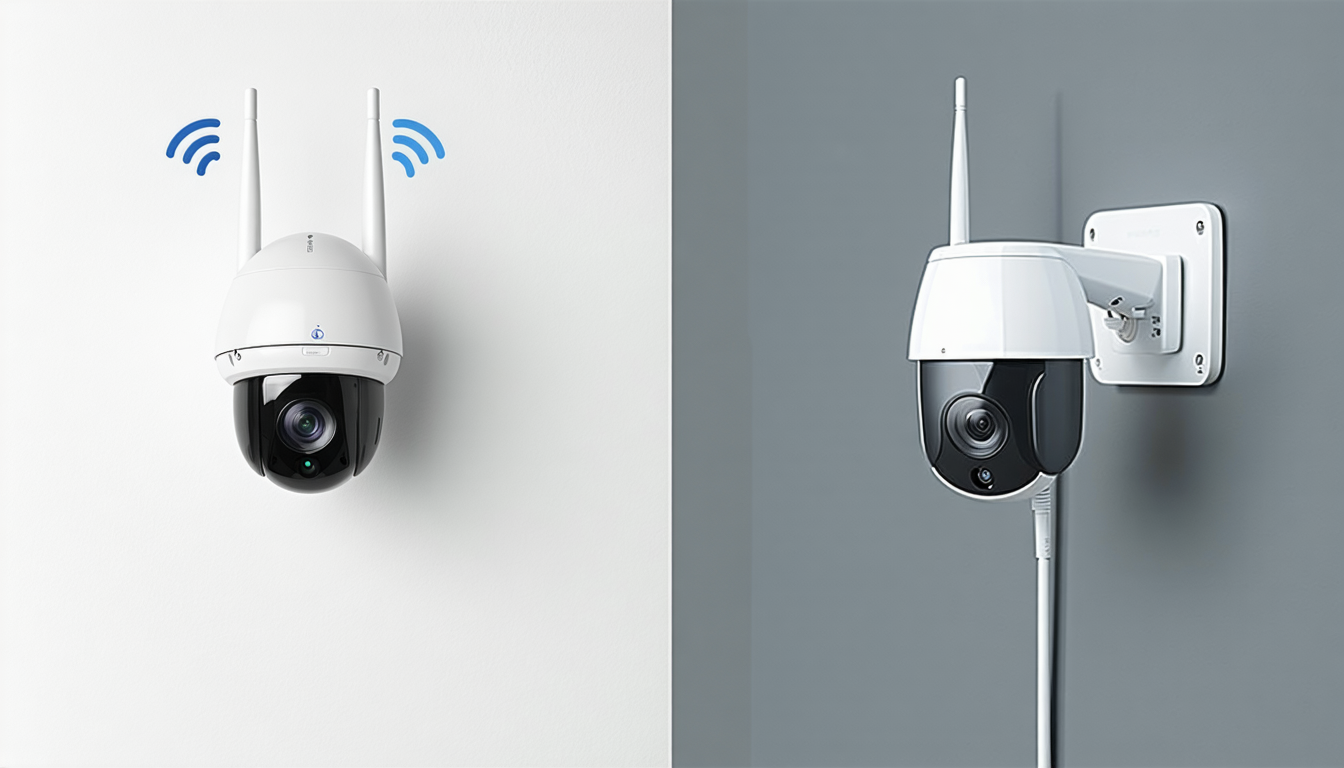
Wireless surveillance systems have become increasingly popular among homeowners seeking straightforward installation and flexibility. These Wi-Fi-enabled cameras require no complex cabling and can be repositioned easily, making them particularly suited for renters and smaller residential spaces. Yet this convenience comes with notable drawbacks: their performance hinges on reliable internet connectivity, they demand regular battery maintenance or replacement, and they face vulnerability to electronic interference and potential security breaches without robust software protection.
Wired surveillance cameras, by contrast, deliver consistent and dependable performance. Operating through continuous power sources—such as Power over Ethernet (PoE) technology—they transmit data without interruption and remain unaffected by network fluctuations or outages. The trade-off is substantial: installation costs are considerably higher, repositioning cameras later proves difficult and often requires professional technicians, and the visible cables and conduits can compromise a property's visual appeal.
The decision between these two systems ultimately reflects individual circumstances. Budget constraints and property characteristics should guide the choice. For smaller homes and temporary security arrangements, wireless systems offer practical, cost-effective solutions. For larger residences and apartment complexes demanding comprehensive, round-the-clock surveillance, wired installations represent the more robust and secure investment.
Compare options


