Iran's Calculated Response: Hezbollah's Stronghold Protected While Southern Lebanon Faces Israeli Operations
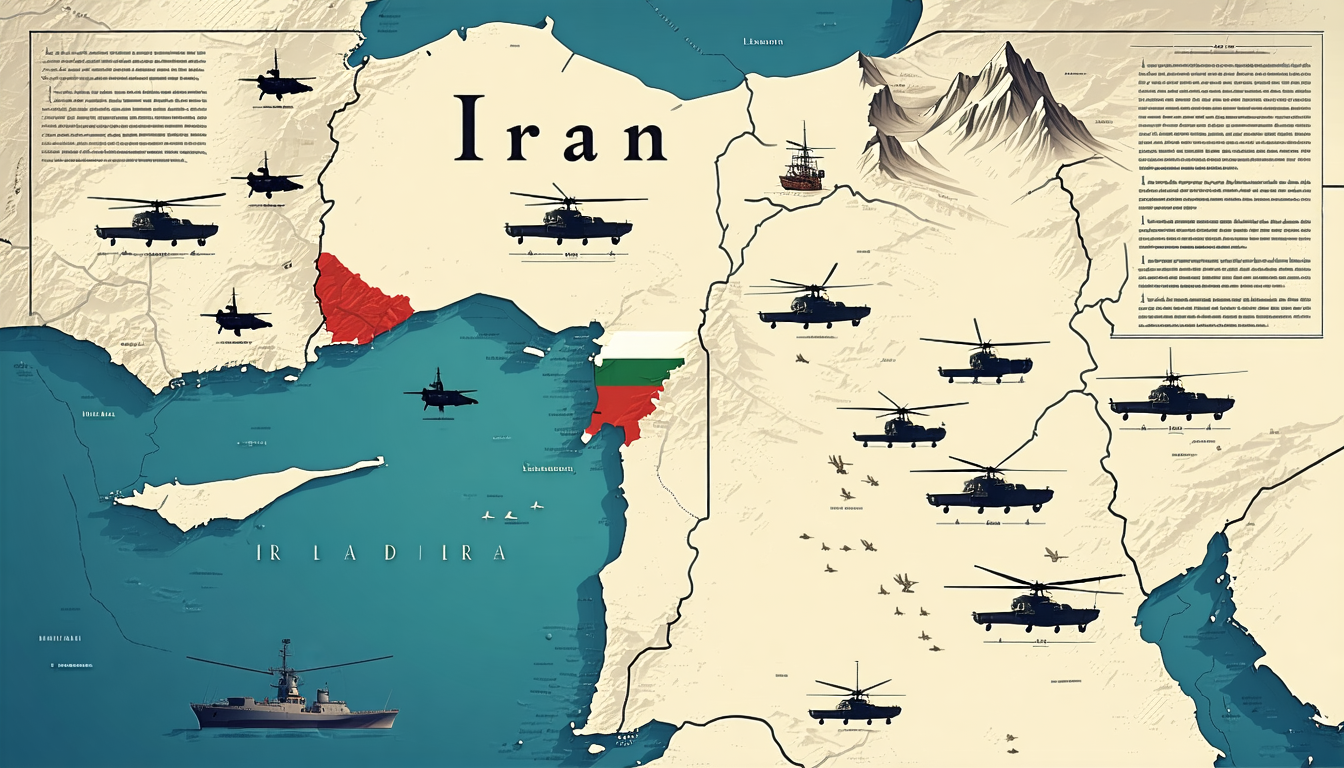
Iran's recent military response to Israeli strikes on Beirut's southern suburbs has prompted scrutiny over what appears to be a selective geographic focus in Tehran's defensive posture toward Lebanon.
The Iranian strike, launched in response to the bombing of the southern suburbs, has generated significant strategic questions, particularly regarding Hezbollah's role in ongoing Israeli-American negotiations involving Lebanon. Between Sunday and Monday, Hezbollah received Iranian backing following the suburb bombing, with Tehran warning of potential new attacks should Israel target Lebanon further.
However, military sources have raised a critical observation: Iran appears to be distinguishing between the southern suburbs and the broader south. While the suburb receives explicit Iranian protection rhetoric, ongoing Israeli raids continue unimpeded in the south itself. According to informed military analysts, Tehran's positioning suggests a clear indication that Israeli military operations in the south may proceed without Iranian deterrence.
The strategic implications are noteworthy. Israel's southern operations proceed with apparent American backing, while Iran's public statements focus exclusively on the suburb. This framing effectively establishes a hierarchy in which the south remains absent from Iran's stated calculations, with Iranian protection centered specifically on what officials characterize as Hezbollah's "strategic stronghold"—the suburb.
This raises fundamental questions about Tehran's response framework. If Israel were to target Hezbollah operatives outside the suburb, would Iran respond? Does Iranian deterrence apply only to specific geographic zones?
Analysts identify three primary motivations behind Iran's current approach. First, Tehran seeks to position itself as the "principal defender" within the Shiite community. Second, the Lebanese card serves Iran's broader negotiating strategy with Washington, as Lebanon's proximity to Israel grants it significant leverage. The presence of Hezbollah within Lebanese territory carries direct consequences for Israel and, by extension, American interests.
A third consideration involves political messaging. Iran's actions communicate to Hezbollah's base that Tehran defends them as a constituency, distinct from the Lebanese state itself.
The timing and rhetoric surrounding Iran's response reinforce this interpretation. An Iranian media campaign preceded the military strike, targeting President Joseph Aoun. Foreign Minister Abbas Araqchi directed pointed remarks toward the president, stating: "If Lebanon were a bargaining chip for Iran, we would have reached an agreement a long time ago. Save Lebanon from your real enemy, Mr. President."
This messaging reveals Iran's political objectives extend beyond military calculations to encompass state-level dynamics. The criticism of Lebanon's leadership suggests Tehran views the Lebanese government, rather than Israel alone, as a relevant factor in its strategic calculations.
Looking forward, observers face unresolved questions about Iran's intentions. What constraints, if any, govern Iranian escalation rhetoric? Will Tehran risk its negotiating position with the United States to defend Lebanese territory comprehensively? The answers may determine whether Iran's current strategy represents a temporary tactical positioning or a more fundamental reorientation of its Lebanon policy.
Compare options


