Southern Border Villages Face Escalating Crisis as State Services Collapse
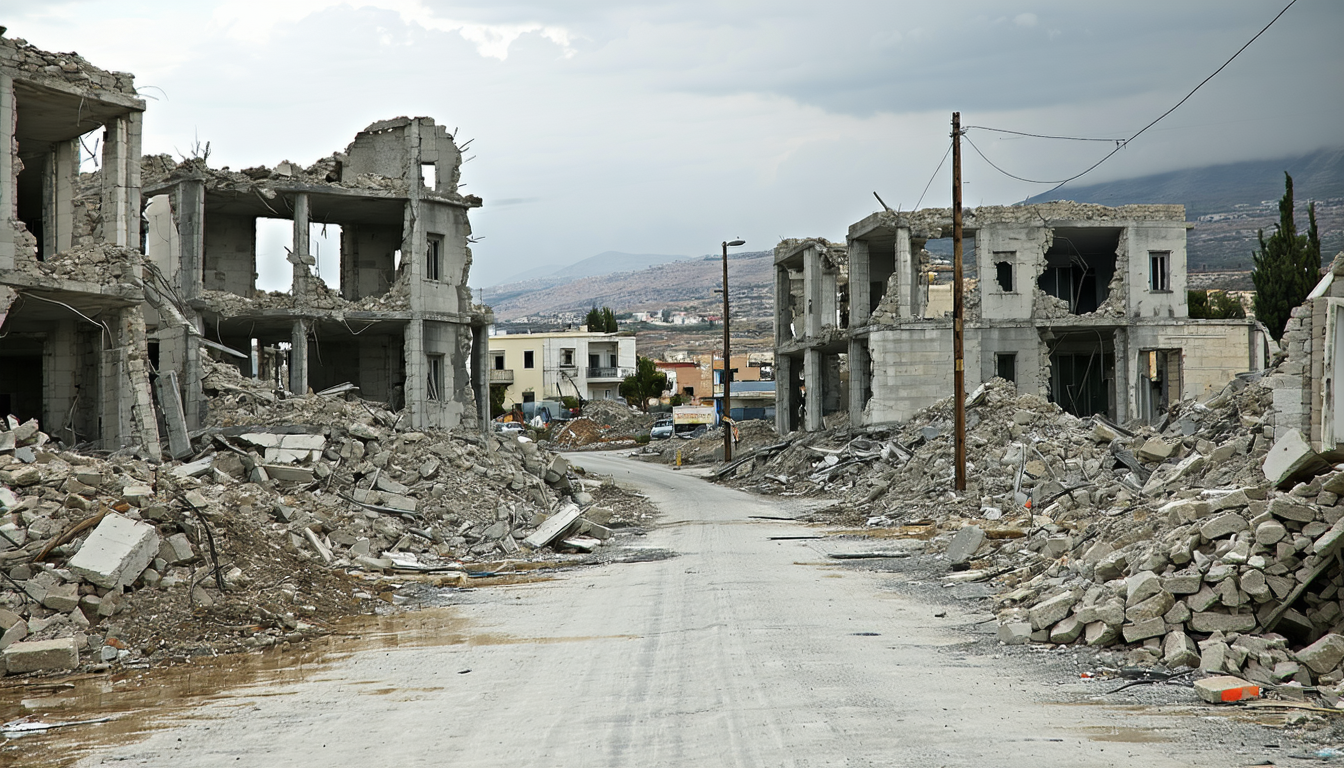
Residents of southern Lebanon's border communities are confronting a deepening humanitarian crisis marked by repeated military bombardment, collapsing infrastructure, and what they describe as state abandonment of their region.
The Christian Border Villages Association has issued a statement detailing the mounting toll on civilian populations, citing recent strikes that have claimed lives, caused injuries, and destroyed homes and critical infrastructure. Beyond the immediate physical damage, the organization notes that residents face an atmosphere of fear and isolation, despite choosing to remain in their communities.
Connectivity and movement have become severely restricted. Multiple villages now find themselves cut off or accessible only through dangerous routes, with some areas—particularly in the western sector—experiencing near-total isolation. This breakdown in accessibility directly threatens residents' wellbeing and prevents humanitarian assistance and basic services from reaching affected populations.
Healthcare infrastructure has suffered particularly acute damage. Numerous medical facilities and health clinics have been damaged or shuttered entirely, compounding the crisis for a population already struggling with limited services. The association emphasizes that homes and property continue to sustain significant harm.
The organization stressed that border residents possess full rights as Lebanese citizens and deserve state protection. The Lebanese government, it argues, bears constitutional and national responsibilities to safeguard their lives, property, and dignity, as well as their right to remain on their ancestral lands.
The association has called on authorities to establish secure humanitarian and medical corridors enabling citizens, relief organizations, and medical teams to access isolated villages. It also demands immediate rehabilitation of health facilities, equipped with necessary medicines, supplies, and qualified personnel. Additionally, the group seeks enhanced support for hospitals treating patients from border areas.
In concluding remarks, the association acknowledged the determination of border residents to maintain their connection to their land and heritage, but warned that such commitment cannot replace essential state functions. The organization cautioned that continued government inaction will compound both humanitarian and national losses facing the region.
The statement represents residents from Alma Al-Shaab, Al-Quzah, Dibal, Rmeish, Ain Ebel, Deir Mimas, Burj Al-Muluk, Al-Qulaya, Jdeidet Marjayoun, Al-Buwayda, Ebel Al-Saqi, Rashaya Al-Fakhar, Kawkaba, and Abu Qamha.
Compare options


