Lebanon Faces Critical Juncture as Political Tensions Mount and Social Fabric Strains
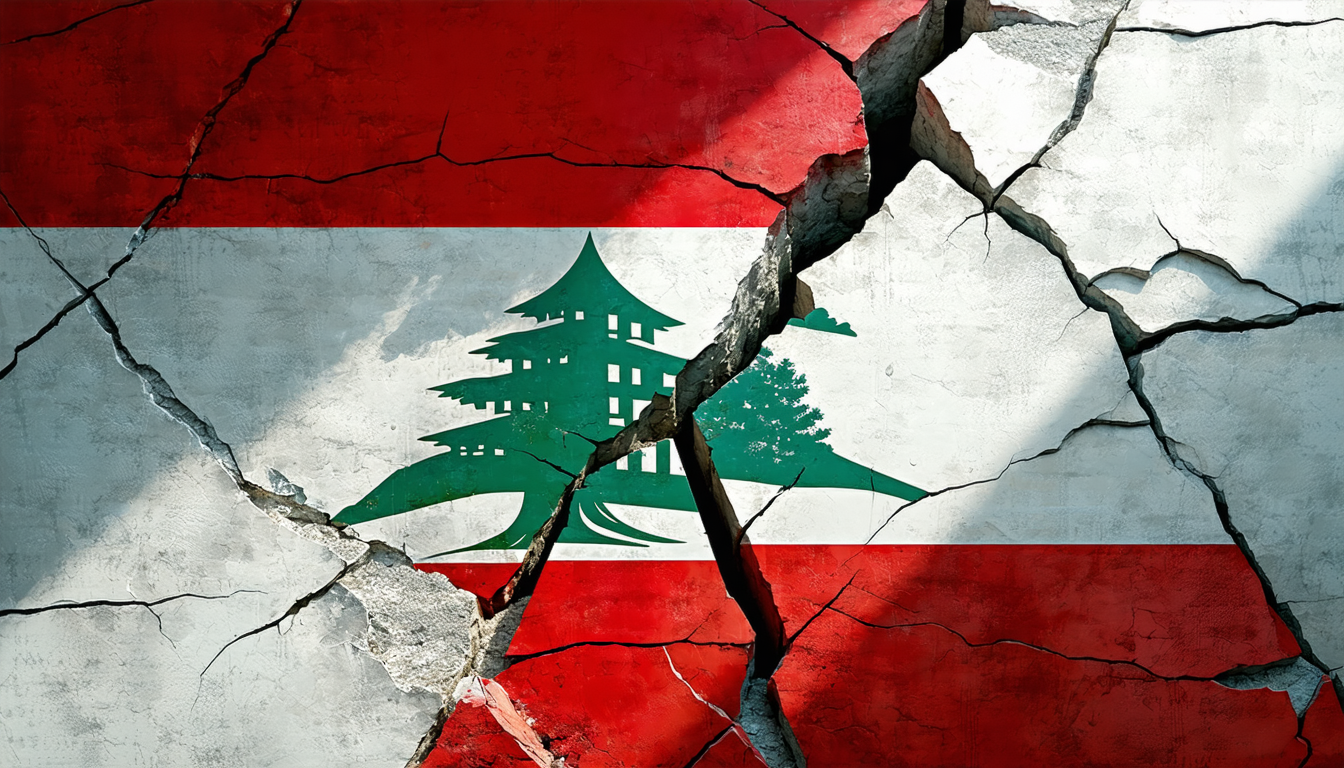
The President's declaration that "Lebanon is not Iran" has triggered sharp reactions from those aligned with Iranian-backed movements, setting the stage for a nation grappling with deepening internal contradictions and mounting anxiety about the future.
A fundamental paradox defines Lebanon's current predicament: a political organization that simultaneously champions state institutions while maintaining an independent military apparatus, drawing members who oscillate between defending the Lebanese state and protecting what they term "the party and its weapons." This contradiction lies at the heart of the country's institutional paralysis.
The organization in question has consolidated control over an entire religious community, labeling those who resist its authority as "representatives of foreign embassies." The assassination of dissident Luqman Slim exemplified the consequences of such dissent. Meanwhile, another political faction that once wielded considerable influence across the Arab world—commanding respect in 2006—has deteriorated with remarkable speed, transforming from a symbol of regional power into a pariah within a single generation.
Psychological Toll and Social Fragmentation
The human cost of Lebanon's ongoing instability manifests in widespread psychological distress. According to psychiatrist Dr. Samir Jamous, populations experiencing severe anxiety typically resort to sedatives, alcohol, or substances to manage their condition. The prevalence of hookah consumption within affected communities reflects this coping mechanism, with imported tobacco serving as a temporary escape from overwhelming stress.
Daily casualty reports continue mounting, with entire families perishing. Yet a troubling asymmetry has emerged in public sympathy: deaths among Christian, Sunni, and Druze populations generate more visible compassion than losses within communities associated with armed movements. Dr. Jamous explains this psychological phenomenon through the concept of empathy—people project themselves onto victims they perceive as having made no choice in their fate, whereas those framed as willing participants in conflict generate less emotional identification.
Territorial Expansion and Historical Precedents
Intelligence suggests preparations mirroring 2007, when armed movements attempted to seize control of Beirut's downtown district. Current reports indicate systematic acquisition of property and establishment of positions across multiple regions—Sidon, Keserwan, Jbeil, and northern Matn—suggesting capacity to encircle the entire nation. This strategic positioning has prompted concern among political leaders like Walid Jumblatt about a recurrence of that destabilizing period.
The Sect-Party Conflation Problem
A critical erosion has occurred in distinguishing between Shiite citizens and the political organization claiming to represent them. This conflation, imposed through institutional control, has created a climate of suspicion affecting an entire religious community. Shiites increasingly experience marginalization and fear as outsiders within their own country, despite the organization's narrative framing its actions as protecting the oppressed. The reality is more troubling: an external power—Iran—has sought to instrumentalize Lebanon's entire population, and when that project failed, rebranded its agenda as sectarian defense.
The Lebanese state, not foreign powers or their proxies, bears the legitimate responsibility for protecting all citizens.
Normalized Abnormality and Collective Trauma
Dr. Jamous identifies a psychological mechanism wherein populations raised on narratives of martyrdom and sacrifice internalize these concepts as natural and divinely ordained. When such frameworks dominate a community's collective consciousness, alternative perspectives become cognitively inaccessible. Normalcy becomes defined by majority belief rather than objective reality—a dynamic that complicates any path toward rational reassessment.
Post-traumatic stress disorder and survivor's guilt plague those who endure bombardments and violence. The accumulation of collective trauma leaves Lebanon adrift, with citizens experiencing mounting exhaustion and diminishing capacity for the logical discourse the nation desperately requires.
A Nation Suspended in Uncertainty
Lebanon stands at a critical threshold. Those wielding decisions over war and peace have abandoned the rationality necessary for constructive governance. The nation awaits developments whose trajectory remains unknowable, with some suggesting only external disruptions might interrupt the current trajectory toward escalation.
The Lebanese diaspora watches a homeland caught between competing visions of its future, where logic has surrendered to ideology and where the price of political dysfunction is paid in lives, displacement, and psychological devastation.
Compare options


