A Nation's Soul at Risk: Reflections on Lebanon's Uncertain Future
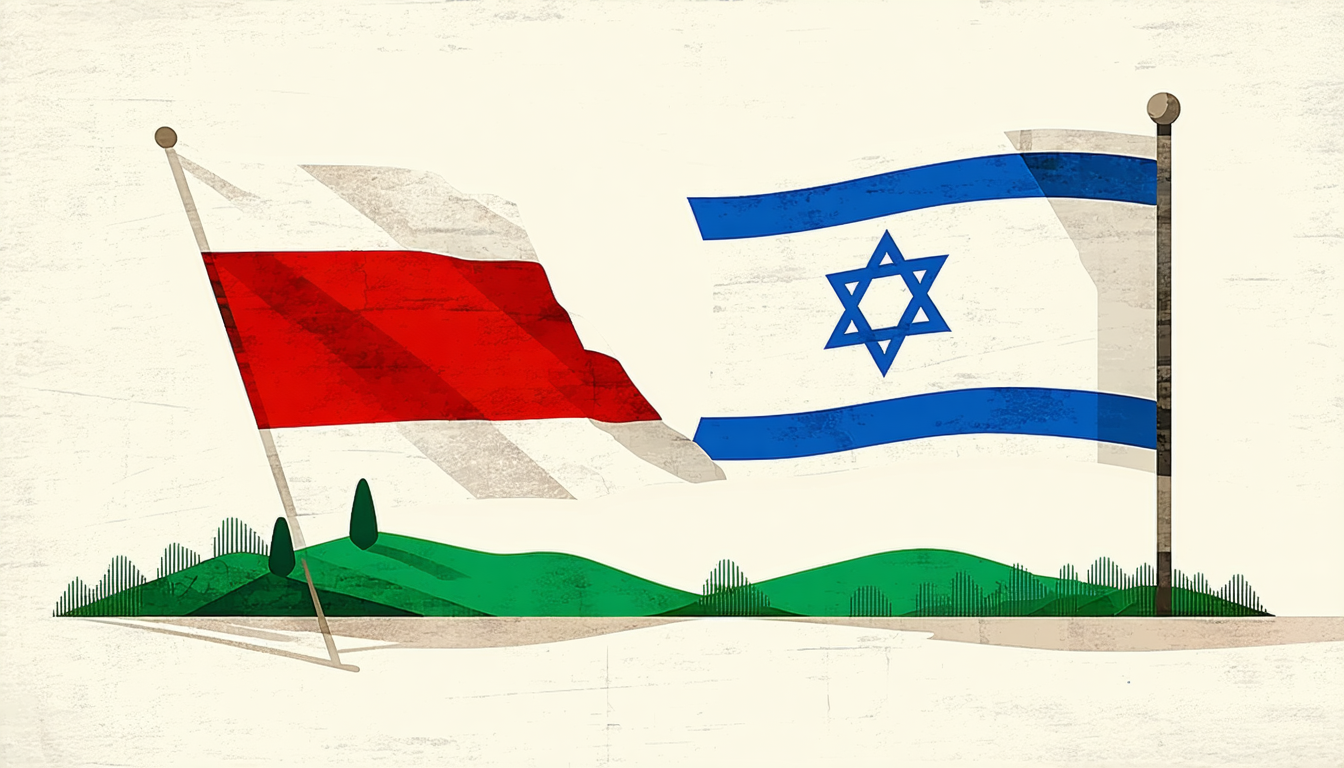
Ronnie Alpha offers a deeply personal meditation on the anxieties consuming Lebanon as the nation confronts the possibility of normalized relations with Israel. The piece transcends conventional political debate to grapple with questions of memory, identity, and the soul of a people.
The author expresses profound unease about a future where Israeli symbols and presence become woven into the fabric of Lebanese daily life—where the Star of David transforms from a symbol of conflict into something mundane, stripped of its historical weight. This normalization, he argues, represents a danger more insidious than military defeat itself.
What troubles him most is the corrosive power of habit. While defeat inflicts immediate pain, habit dulls the wound until it ceases to register altogether. He envisions a Lebanon where tourist buses navigate paths once marked by conflict, where weekend leisure travelers replace those who sought dignity and liberation. The casual enjoyment of Tel Aviv's bars and beaches by returning Lebanese would stand in stark contrast to the graves of martyrs dotting the southern hills—monuments to sacrifice that a normalized society might struggle to comprehend.
The author grapples with thorny questions about how such a transformed Lebanon would reckon with its past. How would the nation explain to future generations why the narrative changed? What would become of the physical and spiritual markers of resistance scattered across the landscape?
His deepest fear centers not on shifting alliances but on a fundamental inversion of moral standards. He envisions a time when those who bore arms in defense face legal scrutiny while those who embrace accommodation receive celebration. Resistance fighters would find themselves defending their choices while collaborators occupy respectable social spaces. Objection would be recast as disloyalty; compromise would become wisdom.
The language itself would undergo transformation. Words like "occupation" and "liberation" would fade from common usage, replaced by terminology more palatable to a new order. Heroism would be redefined to exclude those who sacrificed everything. Historical memory would be systematically withdrawn from circulation like outdated currency—first declared still valid, then growing rare, eventually vanishing entirely as new generations forget it ever existed.
He compares this process to the fate of Antoine Lahad, a controversial figure from Lebanon's civil war period, but warns of a future where thousands embrace internal defeat without requiring external military uniforms. The devastation comes when people internalize shame about their own history and come to view their heritage as a burden rather than a foundation.
The author's ultimate concern transcends territorial or political loss. He fears that Lebanon might not fall through military conquest but evaporate through a gradual hollowing out of collective meaning. The nation would remain on maps with its name intact, yet its essence would be lost—a form of erasure more complete than any battlefield defeat.
This represents, in his estimation, the cruelest possible outcome: future generations visiting the graves of martyrs with the detached curiosity one brings to archaeological ruins, connected by neither memory nor belonging. The Lebanon of previous generations would not perish dramatically but dissolve into irrelevance, its story abandoned while its geography endures.
Compare options


