Iran Escalates Tensions, Threatens to Block Strait of Hormuz
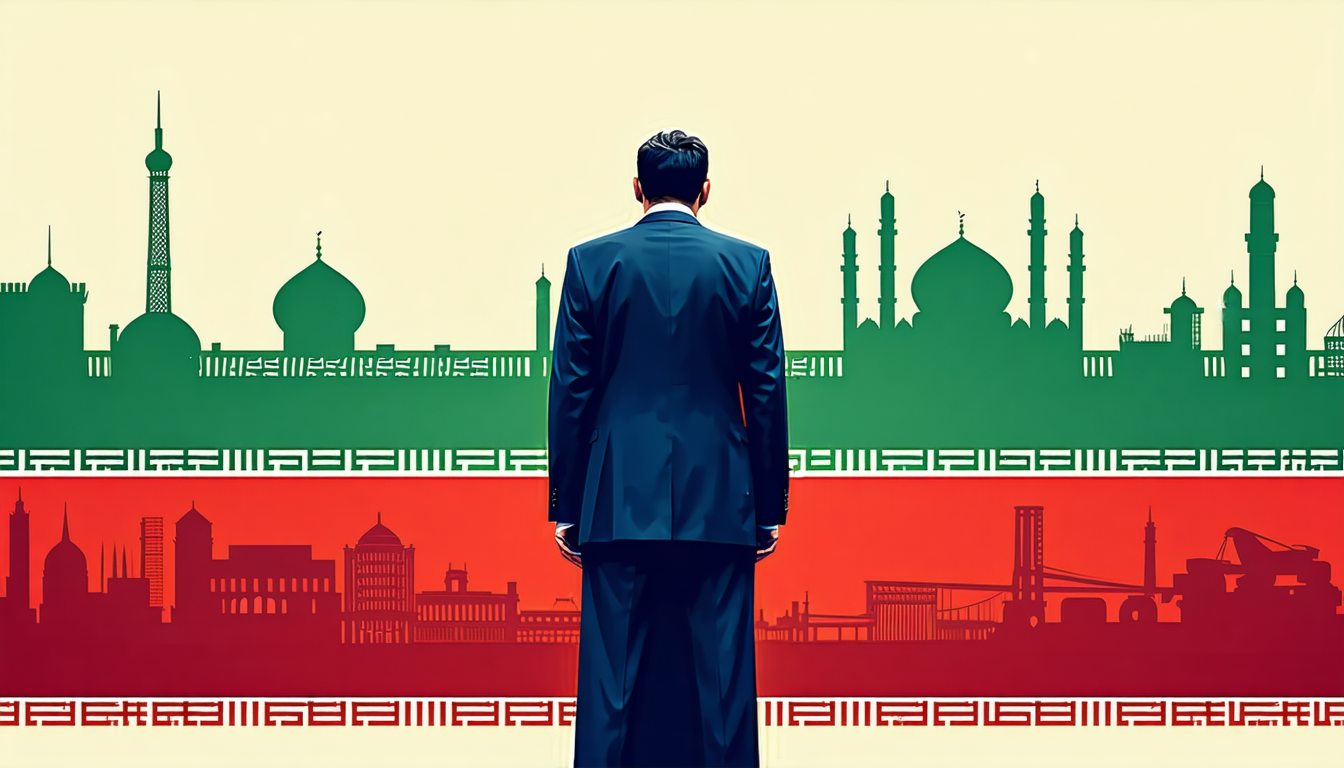
Tensions between Washington and Tehran have reached a new level of intensity as Iran's Revolutionary Guard issued a stark warning to the United States, threatening a complete blockade of the Strait of Hormuz in response to ongoing American military strikes.
The warning came after U.S. forces conducted operations targeting coastal surveillance radar systems on the islands of Qeshm and Gork. These strikes were carried out in retaliation for Iranian drone launches directed toward the Strait, marking one of the most serious confrontations since the outbreak of the broader conflict.
In a statement, the Revolutionary Guard declared that the United States "will bear responsibility for the consequences of a full closure of the Strait to oil and gas exports should American operations persist." The Iranian military body simultaneously claimed responsibility for missile strikes against American installations in Kuwait and Bahrain.
The escalation intensified further when Revolutionary Guard forces opened fire on four commercial tankers attempting passage through the Strait without prior authorization—a dramatic display of the mounting instability affecting one of the world's most critical maritime corridors.
The U.S. military command reported that Iran launched seven ballistic missiles targeting Kuwait and Bahrain. According to American defense officials, six were successfully intercepted by air defense systems, while the seventh failed to reach its destination. U.S. forces denied Iranian claims of casualties or damage to the Fifth Fleet headquarters in Bahrain, characterizing such assertions as false.
Recent hours have brought heightened security measures across Kuwait and Bahrain, with residents reporting explosions and air raid sirens. Local authorities have urged citizens and residents to remain vigilant and adhere to official guidance.
The military escalation occurs as diplomatic efforts between the two nations face mounting obstacles. Negotiations have stalled over several contentious issues, including the status of frozen Iranian assets, the future direction of Iran's nuclear program, and questions regarding navigation rights and security arrangements in the Strait.
Iran has made clear demands that any agreement must involve the release of billions in frozen funds, sanctions relief on oil exports, and a role in overseeing Strait security. The United States, conversely, opposes any constraints on international shipping through the waterway and maintains stricter requirements regarding nuclear provisions.
The Strait of Hormuz holds immense strategic importance to global energy markets, with approximately one-fifth of the world's seaborne oil passing through it prior to the current conflict. Any disruption to shipping through this vital passage threatens international energy security and could reverberate across global markets.As international mediators, particularly from Pakistan, work toward a breakthrough, the region stands at a crossroads. The path forward could lead either toward a negotiated settlement that halts the escalating cycle or toward a broader military confrontation with potentially far-reaching consequences extending beyond the Gulf region.
Compare options


