The Hidden Cost of Silence: Understanding the Ear Pressure from Noise-Canceling Headphones
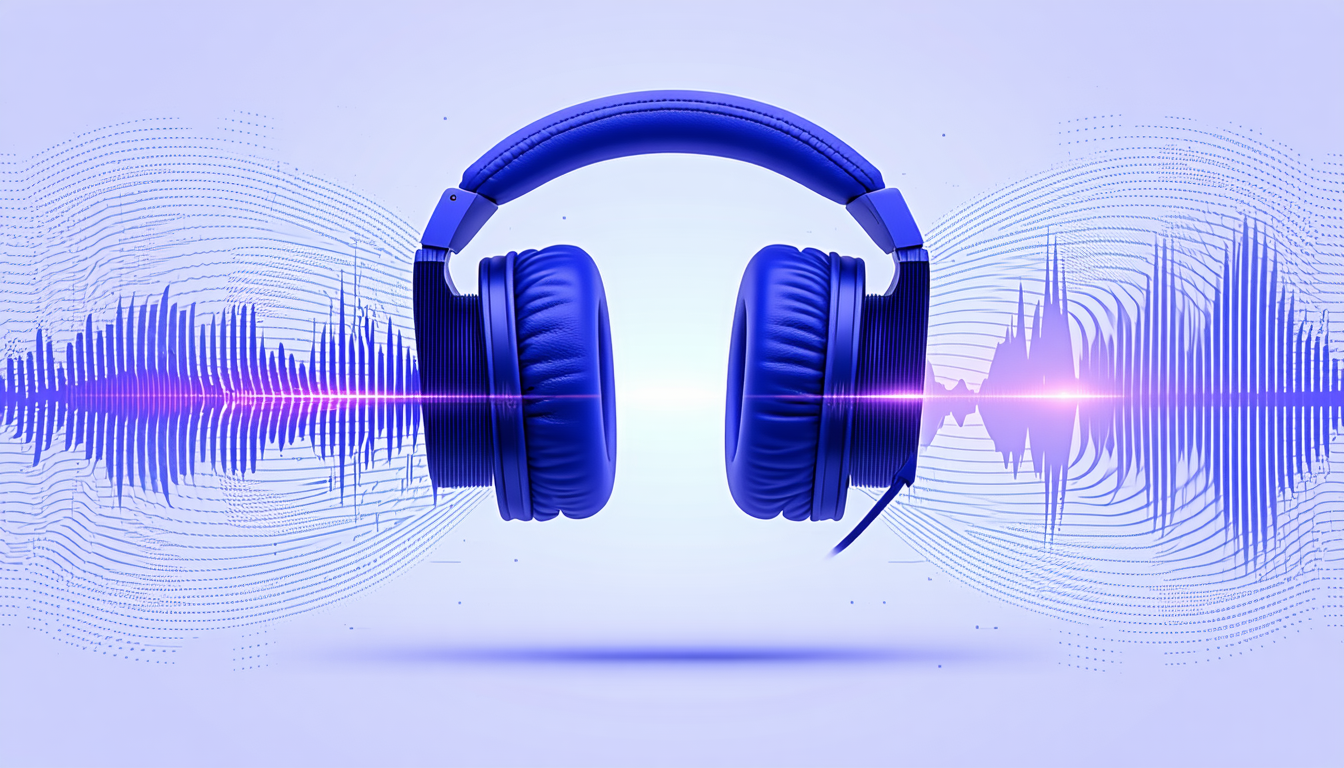
Noise-canceling headphones have become increasingly popular for their ability to create peaceful, quiet environments. The technology behind them is elegantly simple: built-in microphones detect incoming sound waves from the environment, and a processing system then generates counter sound waves that mirror the original noise but with reversed phase. When these two waves meet, they interfere with one another and neutralize each other before reaching the eardrum.
Yet despite the tranquility these devices deliver, some users report experiencing an uncomfortable sensation—a kind of pressure or anxiety building inside their ears. This phenomenon stems from how the brain processes the sudden silence created by active noise cancellation.
When low-frequency sounds disappear abruptly, the brain can misinterpret this absence as a shift in air pressure within the ear canal. This sensation resembles the pressure changes passengers experience during airplane ascent, leading some individuals to feel dizzy or uncomfortable during extended use of noise-canceling headphones.
For those sensitive to these effects, prolonged listening sessions may become difficult to tolerate, transforming what should be a comfort-enhancing technology into a source of physical discomfort.
Compare options


