U.S. Military Moves Forward with Extended-Range Precision Strike Missile Capability
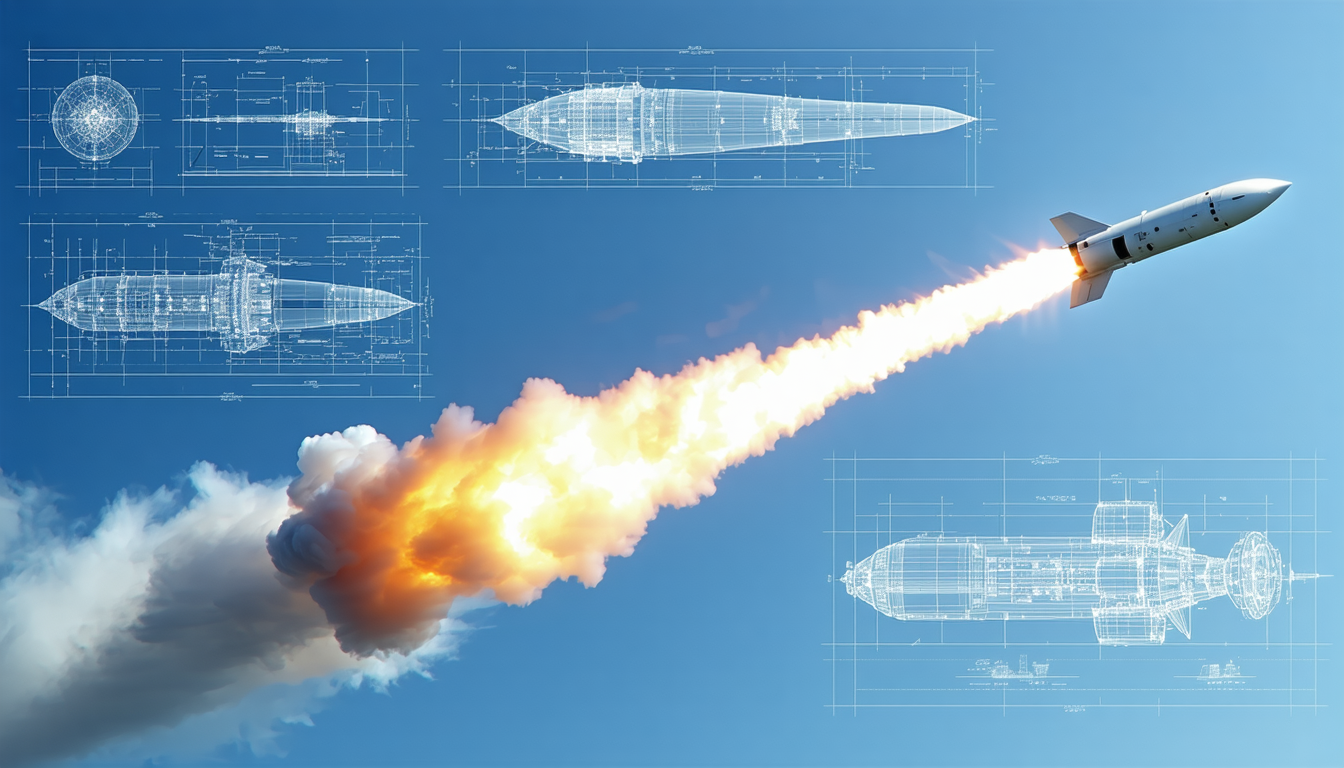
The U.S. Army has achieved a major milestone in the development of advanced missile technology, according to military and defense industry officials. The breakthrough centers on a new propulsion system designed for the fourth-generation variant of the Precision Strike Missile, known as PrSM Increment 4.
The critical test, conducted at a facility operated by L3Harris Technologies, successfully validated the transition mechanism between the missile's booster stage and its ramjet propulsion system. This "Direct Connect Transition Test" simulated high-speed operating conditions and demonstrated that the propulsion transition functions reliably—a necessary validation before moving to actual flight tests.
The successful test substantially reduces technical risk and clears the path for airborne testing to begin this fall, developers said.
Lockheed Martin, the prime contractor for the system, stated that the advancement enables production of a missile capable of precision strikes at ranges exceeding 1,000 kilometers, or roughly 620 miles. Significantly, the new weapon can be deployed on existing launch platforms, including HIMARS and M270 systems, without requiring modifications to the firing systems or substantial changes to logistics infrastructure.
"This accomplishment demonstrates that the fundamental propulsion concept has moved beyond theoretical development into a validated, operationally feasible system that can be integrated into current combat platforms," a company representative said.
The ramjet-based propulsion technology is expected to roughly double the effective range of the baseline PrSM while simultaneously enhancing maneuverability and terminal velocity. These improvements are designed to complicate interception efforts by air defense systems.
The missile will maintain compatibility with existing transport containers used for earlier variants and can be airlifted aboard C-130 transport aircraft, ensuring seamless integration with current Army logistics networks.
The development effort involves collaboration among the U.S. Army, Lockheed Martin, and L3Harris Technologies, with over $300 million invested to advance both propulsion technologies and manufacturing capabilities.
Flight testing is anticipated to commence in the coming months, with operational deployment of the extended-range system expected within the Army's long-range strike arsenal in subsequent years.
Compare options


