Ceasefire Announcement Raises Questions About Implementation and Hezbollah's Role
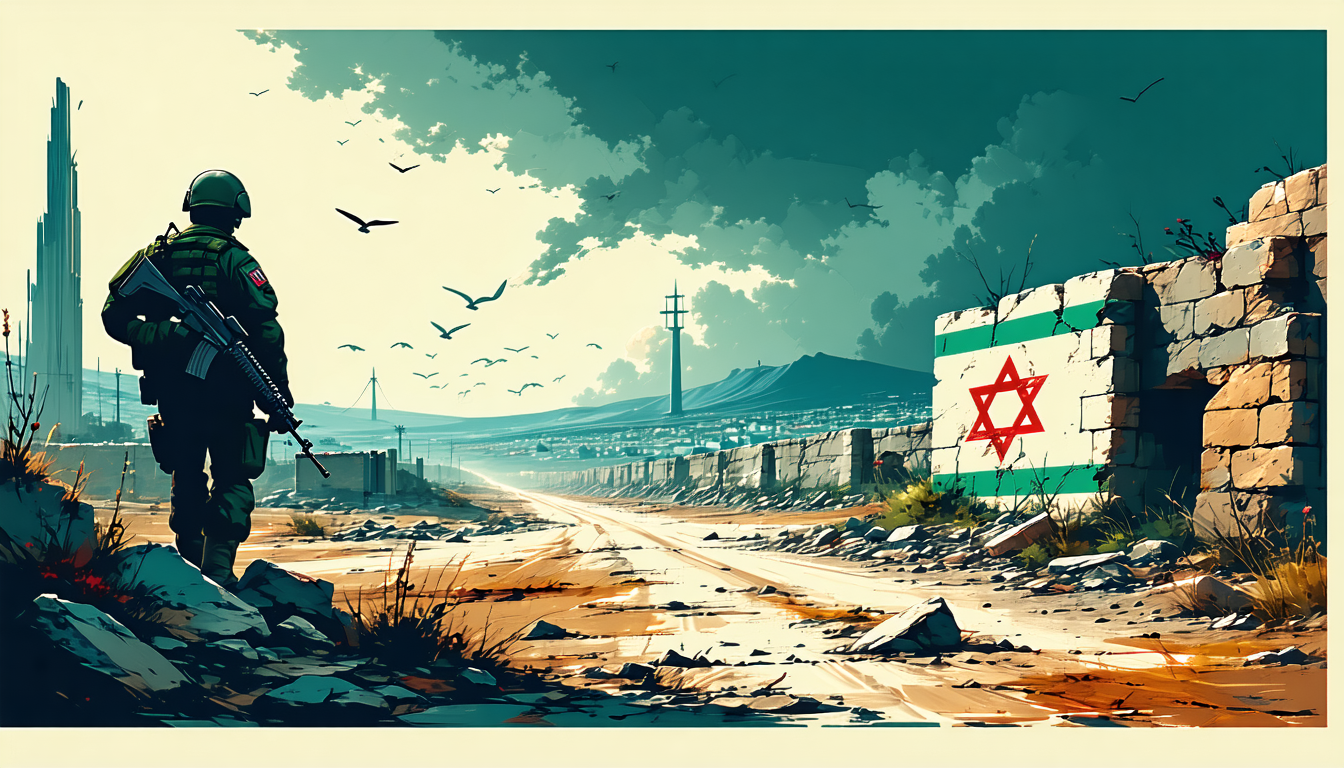
Lebanese citizens received news of what was described as an end to hostilities after the US State Department confirmed that Lebanon and Israel had reached a ceasefire agreement. The announcement came following negotiations held on June 2 and 3. President Joseph Aoun stated the agreement would take effect 24 hours after final approval.
While the Lebanese government hailed the development as a significant achievement, Israeli officials similarly characterized the Washington-based negotiations as unprecedented, emphasizing that they had succeeded in addressing Hezbollah's role in the conflict. However, both Hezbollah and Iran's Revolutionary Guard rejected the accord, with the latter calling the arrangement unacceptable.
The central concern remains whether the agreement will translate into tangible peace. Retired Brigadier General Marcel Balukji, a military analyst, offered a cautious assessment of the situation. In his view, the negotiation process serves primarily to overcome longstanding obstacles rather than fundamentally alter the trajectory of events. He noted that the Lebanese state's approach aligns with Hezbollah's stated position favoring a comprehensive ceasefire.
According to Balukji, Hezbollah's categorical rejection stems from provisions that would grant Israel freedom of movement. He pointed to Israeli efforts to pursue separate arrangements through Qatar and suggested that the previous military balance—where Hezbollah operations in the southern suburbs offset Israeli actions in the north—had served Iran's interests by providing space for Tehran to advance its own agreements.
Regarding implementation prospects, Balukji expressed skepticism about Israeli compliance. He predicted that rather than a full military withdrawal, Israeli forces would remain in position and clashes would persist, though potentially at reduced intensity compared to daily combat operations. The military expert characterized the American interest as primarily focused on maintaining Israeli security rather than compelling Hezbollah's disarmament.
The agreement calls for establishing "Pilot Zones" where Lebanese Armed Forces would assume territorial control. Balukji explained that these areas are designed to facilitate eventual Israeli withdrawal once Lebanese military deployment occurs and efforts to remove Hezbollah's presence advance. However, he cautioned that the army alone cannot resolve the underlying conflict, and that international oversight would likely be necessary.
The expert highlighted implementation as the fundamental challenge, noting that the failure to enforce the 1701 Agreement previously demonstrates the state's lack of enforcement mechanisms. He concluded that meaningful progress toward a lasting ceasefire depends on a broader American-Iranian understanding, given Hezbollah's regional connections and dependencies. Accordingly, any resolution requires a shift in the wider regional political environment.
Compare options


