Hezbollah Escalates Military Operations in South Following Qassem's Ceasefire Demands
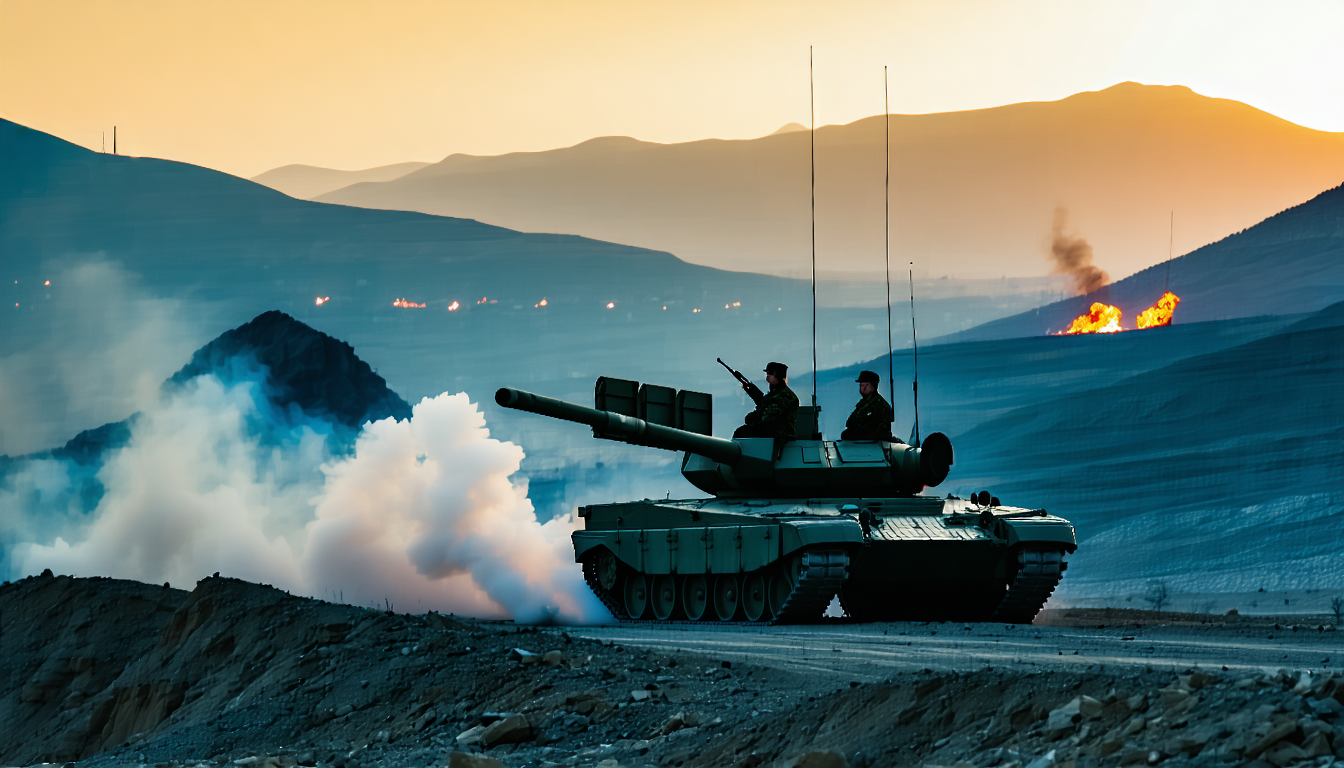
Hezbollah executed numerous combat operations targeting Israeli military installations, personnel concentrations, and armored vehicles throughout southern Lebanon on June 4, marking a significant intensification of hostilities across multiple zones including Qantara, Yahmar al-Shaqif, Rashaf, and the Beaufort Castle area.
Military media releases from the organization characterized the operations as defensive measures undertaken to protect Lebanon and its population, citing Israeli violations of ceasefire agreements and strikes on civilian areas that resulted in casualties.
The group's operations commenced at 02:45 with drone strikes targeting a concentration of Israeli soldiers and vehicles in Qantara, followed by a missile barrage against the same position at 08:00. Wednesday evening saw additional drone assaults launched at 20:00 and 21:00 against Israeli military gatherings on the southeastern periphery of Yahmar al-Shaqif and in Rashaf.
Near Beaufort Castle, Hezbollah reported destroying two Merkava tanks at 16:00 through targeted strikes, with subsequent artillery fire directed at a soldier assembly at 16:15. A new Israeli logistics facility on the outskirts of Yahmar al-Shaqif came under attack at 16:50 via specialized drone operations. Further strikes followed at 17:15 against another Merkava tank in the castle vicinity, and at 16:00 against a military gathering at the Nimr al-Jamal position using attack drones.
Evening operations saw Hezbollah announce the targeting of two additional Merkava tanks at 19:30 in the Beaufort area, with the organization confirming casualties. A third tank in the same region was struck at 20:30 by guided missile, which the group claimed destroyed.
The military announcements included video documentation of previous operations spanning late May and early June, showing strikes against Israeli military concentrations in Qantara, Taibe, and the Beaufort vicinity on May 31, attacks on Israeli technical equipment in Rashaf on May 30, destruction of a Hummer vehicle near Zawtar al-Sharqiya on May 26, and a Merkava tank strike south of Zawtar al-Sharqiya on June 2.
These field operations coincided with a significant political statement from Hezbollah Secretary-General Sheikh Naim Qassem, who rejected Washington's ceasefire proposal if it aimed at forcing the organization's disarmament. Qassem insisted the party would only accept a comprehensive end to aggression coupled with complete Israeli territorial withdrawal.
Qassem rejected any conditional framework linking conflict cessation to the resistance's future, instead calling for the termination of Israeli attacks across all domains, immediate withdrawal from Lebanese soil, deployment of Lebanese military forces south of the Litani River, prisoner releases, civilian return to villages, and initiation of reconstruction efforts.
The escalating military activity unfolds amid ongoing international diplomatic efforts to establish a ceasefire arrangement between the two nations. The succession of operational announcements signals the military front remains primed for further intensification, with strategic calculations increasingly intertwined with political negotiations regarding post-conflict security arrangements south of the Litani, the Lebanese army's prospective role, and verification mechanisms ensuring comprehensive Israeli withdrawal.
Compare options


