Four-Phase Framework Emerges in US-Iran Negotiations as Talks Intensify
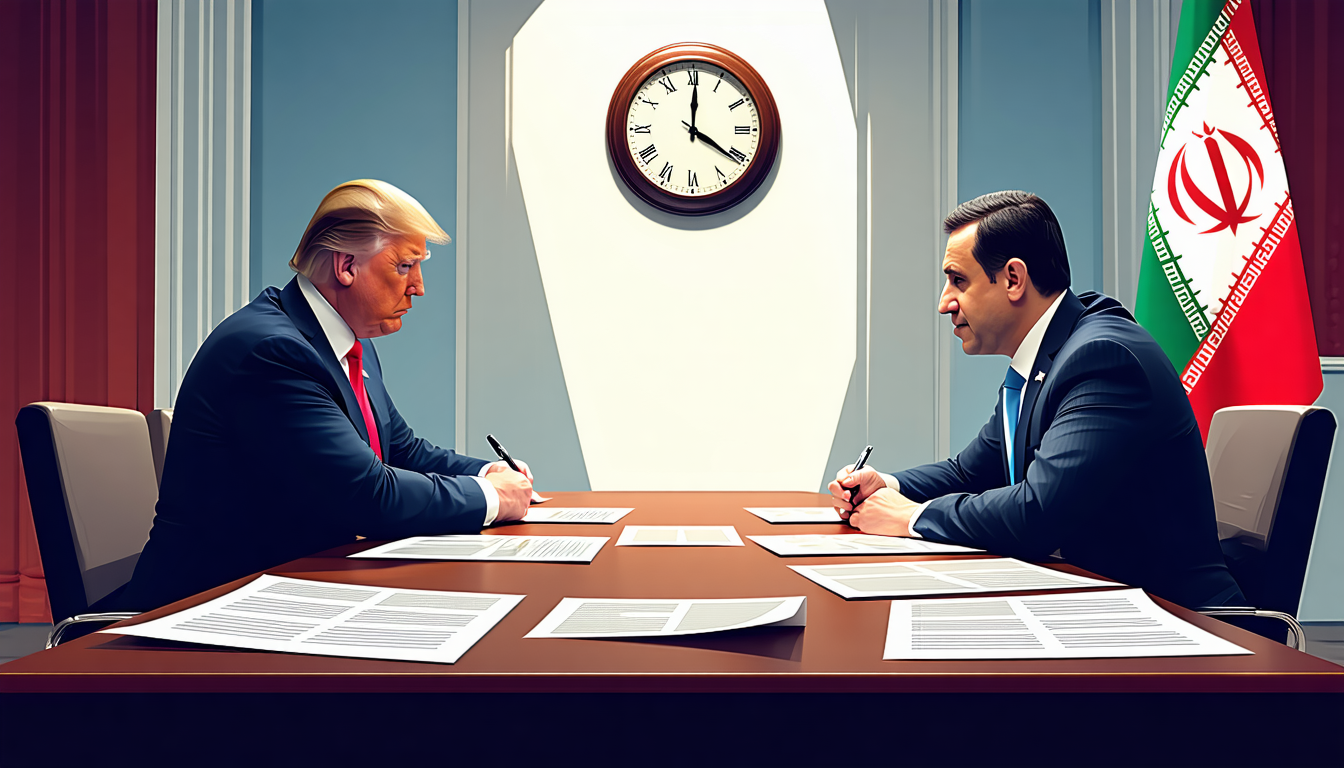
Diplomatic negotiations between the United States and Iran have entered a critical phase, with informed sources detailing the structure of a proposed interim accord that could reshape regional stability. The framework reportedly divides implementation into four sequential phases, each contingent on both parties fulfilling their commitments before advancing to the next level.
President Donald Trump suggested Wednesday that discussions with Tehran might yield results by week's end, though Iranian Foreign Minister Abbas Araqchi indicated that talks have temporarily halted. This apparent contradiction underscores the volatile nature of ongoing discussions.
The initial phase centers on cementing the current ceasefire arrangement, halting direct military confrontations, and ensuring no new regional flashpoints emerge. Tehran has emphasized that any agreement must address developments in Lebanon and prevent its exclusion from broader diplomatic settlements.
The second phase addresses maritime security, specifically focusing on the Strait of Hormuz. This stage encompasses full restoration of the waterway's accessibility, removal of shipping constraints, and establishment of coordinated security protocols for sea routes and infrastructure. All parties recognize the economic implications of this crucial passage for global commerce.
Economic confidence-building measures form the third phase, featuring selective sanctions relief and the release of portions of Iran's frozen assets. This stage also encompasses provisions facilitating petroleum sales and commercial transactions. Iranian negotiators have stressed that demonstrating genuine commitment through rapid economic improvement remains essential to any agreement's viability.
The fourth and most intricate phase involves major strategic questions, including Iran's nuclear program, uranium enrichment specifications, international verification systems, and enduring regional security frameworks. Observers anticipate this stage could require months of intensive negotiations given the technical complexity and fundamental disagreements involved.
US Secretary of State Marco Rubio identified Iran's highly enriched uranium reserves as a central negotiating point, noting that Tehran has not yet consented to a comprehensive peace accord. Pakistan has been facilitating the discussions.
The Iranian government has countered that meaningful progress remains elusive, though communication channels with Washington remain operational. The conflict between the two countries began on February 28.
Adding to the political complications, the US House of Representatives approved a resolution on Wednesday calling for American military withdrawal from operations against Iran, representing a legislative challenge to Trump's handling of the conflict.
Compare options


