Lebanon's Retail Sector Faces Collapse as War, Inflation, and Vanishing Customers Threaten Survival
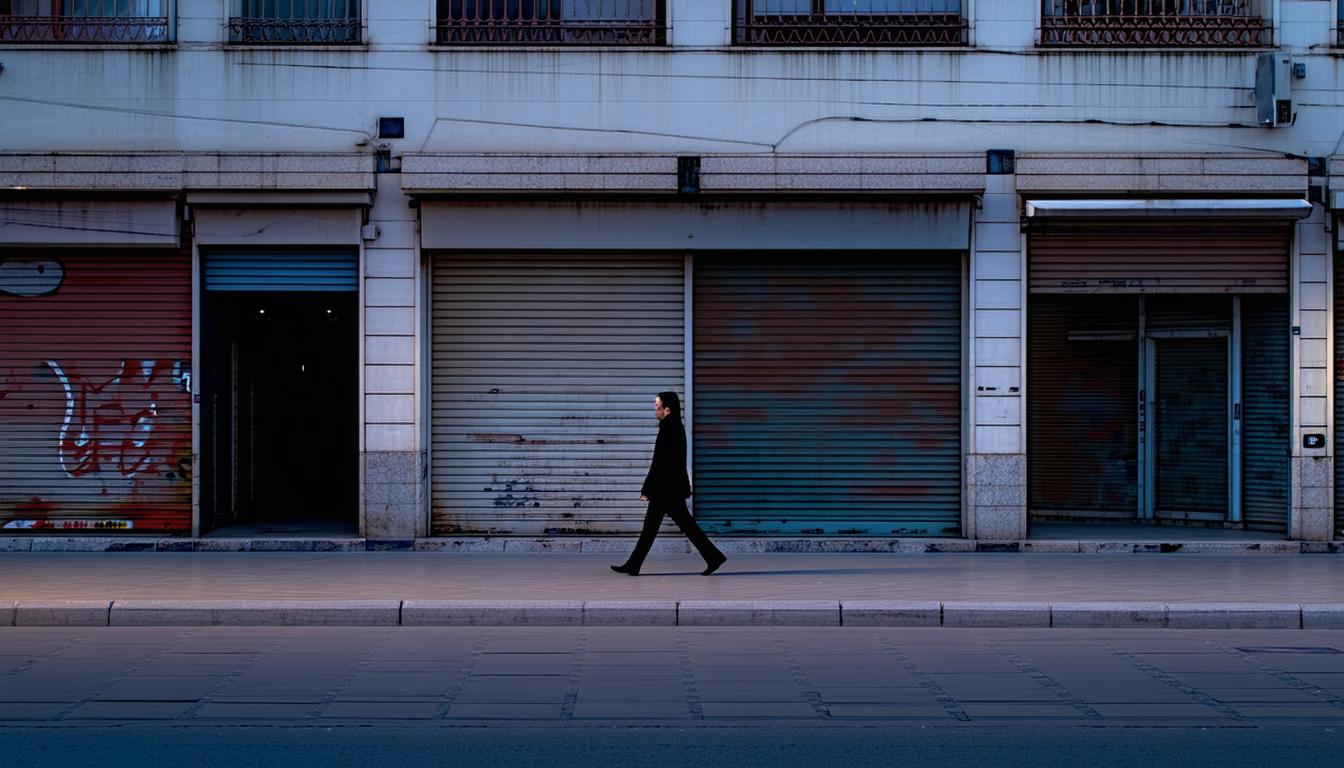
The deterioration of Lebanon's retail landscape cannot be understood in isolation from the country's broader circumstances. Military conflict, heightened security tensions, and concerns about potential expansion of hostilities have penetrated far beyond border regions and southern areas, reaching shopping districts, consumer behavior, expatriate travel patterns, and merchants' capacity to make even short-term business decisions.
The timing of retail's collapse compounds the economic strain. The sector's weakness coincides with persistent price escalation, with inflation climbing by nearly 7 percent during the first quarter of 2026 according to official measurements. While this figure appears modest compared to the severe inflation Lebanon endured in preceding years, it imposes significant hardship on an already fragile market and consumers whose buying capacity has eroded considerably. Lebanese citizens are not purchasing less by choice—many lack the means to spend and fear what economic developments may lie ahead.
The Tourism Lifeline Severed
Under typical circumstances, the retail sector could offset weak domestic consumption through tourism revenue and expatriate spending, particularly during holiday periods. That crucial revenue stream has now largely evaporated. Hotels, restaurants, cafes, clothing boutiques, gift shops, and entertainment venues have suffered devastating losses. Market observers report that expatriate visitor numbers have plummeted to approximately one-tenth of normal levels during certain periods. Many diaspora members have canceled planned visits, prospective tourists are postponing travel, and travel advisories issued by numerous countries have amplified uncertainty.
The expatriate consumer represents far more than a single market segment. These visitors generate demand across diverse sectors—from accommodations and dining to retail shopping, transportation, and service industries. When this consumer base vanishes so abruptly, the entire market experiences the void acutely.
Contraction Beyond the Capital
In Beirut and Mount Lebanon, conditions have deteriorated markedly. As escalation fears intensified, foot traffic in commercial districts and shopping centers declined noticeably. Shoppers have grown more cautious about spending, merchants increasingly anxious about viability, and discretionary purchases have been deferred. This behavioral shift reflects economic reality: during wartime, consumption priorities shift toward essentials—cash reserves, food, medicines, and fuel—rather than entertainment, luxury goods, or seasonal items.
The southern regions face even grimmer circumstances. Retail activity has not merely declined but has nearly ceased entirely in numerous areas. Airstrikes, artillery bombardment, population displacement, highway closures, and restricted movement between communities have rendered normal commercial operations virtually impossible.
Uneven Inflation's Hidden Damage
Inflation has not affected all economic sectors uniformly. The steepest increases have concentrated in lifestyle and service categories. The recreation, entertainment, and cultural sectors experienced increases exceeding 40 percent, while educational expenses rose more than 35 percent. Transportation costs climbed approximately 25 percent, and food and non-alcoholic beverages increased by roughly 20 percent.
The Multiplier Effect
Retail trade functions as a direct indicator of internal consumption. When this sector contracts, broader economic consequences follow: consumption shrinks, available liquidity diminishes, and small and medium enterprise profits compress. These enterprises are not peripheral to Lebanon's economy but constitute essential components of the economic structure and employment base. Retail decline therefore reverberates through the entire system—affecting workers, suppliers, importers, property owners, and municipal governments dependent on market activity.
The growing chorus of merchant complaints reflects an even more troubling reality: the problem extends beyond sales declines to the complete absence of stabilizing mechanisms. No comprehensive stimulus package targeting war-affected sectors has materialized, and the government has announced no support program to offset merchant losses or assist small businesses experiencing severe revenue collapse. While Lebanon's constrained financial position limits state intervention capacity, the absence of any coherent strategy leaves the market defenseless against cascading crises.
An Existential Question
This policy vacuum raises a critical question: Can retail commerce persist if current conditions persist indefinitely?
The answer remains uncertain. Larger enterprises possess financial reserves or can reduce operational costs, but the majority of small shops depend on daily transactions for survival. Two weeks or a month without customers creates acute problems. Prolonged absence transforms closure from a failure of management into an inevitable outcome—not because merchants mismanage their businesses, but because the fundamental stability required for operation has disappeared.
Compare options


