Medical Professionals Sound Alarm Over Hearing Damage Risks from Prolonged Headphone Use
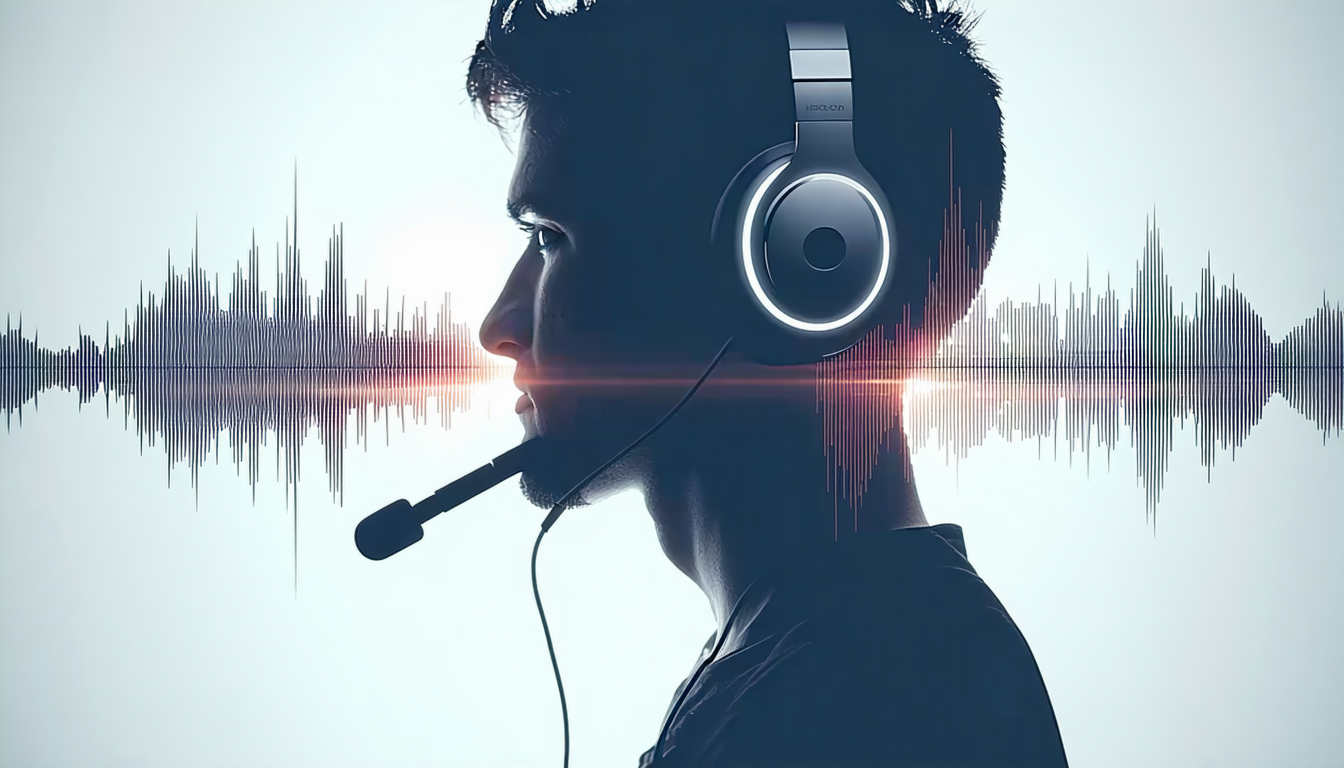
Medical professionals are raising concerns about the growing threat to hearing health posed by the widespread practice of listening to music, podcasts, and video content through headphones at elevated volumes for extended periods.
The prevalence of headphones and mobile devices in daily life has made them ubiquitous tools for entertainment consumption among millions globally. However, specialists caution that prolonged exposure to loud audio can result in irreversible hearing deterioration and the onset of tinnitus—conditions increasingly linked to contemporary lifestyle patterns.
Gradual hearing loss represents one of the most significant consequences of repeated exposure to high noise levels, according to health institutions. These organizations emphasize adherence to the "60-60" principle: maintaining volume at no more than 60 percent of maximum capacity while limiting continuous listening sessions to 60 minutes.
In response to these health concerns, major technology manufacturers have begun integrating protective features into their devices. Apple's iPhone and iPad lineup includes a "Headphone Safety" function that tracks listening behavior and notifies users when audio levels exceed safe thresholds, with the capability to automatically reduce volume when necessary. Similarly, Google's Pixel Buds incorporate a "Hearing Wellness" feature that enables users to monitor their listening patterns and receive alerts as sound levels approach potentially harmful ranges.
Specialists underscore that enabling these protective mechanisms and selecting headphones with noise isolation capabilities can substantially diminish hearing health risks over time. The combination of user awareness and technological safeguards represents a critical approach to preserving long-term auditory function.
Compare options


