Submarine Cables Face Growing Threats Amid Regional Tensions and Geopolitical Risks
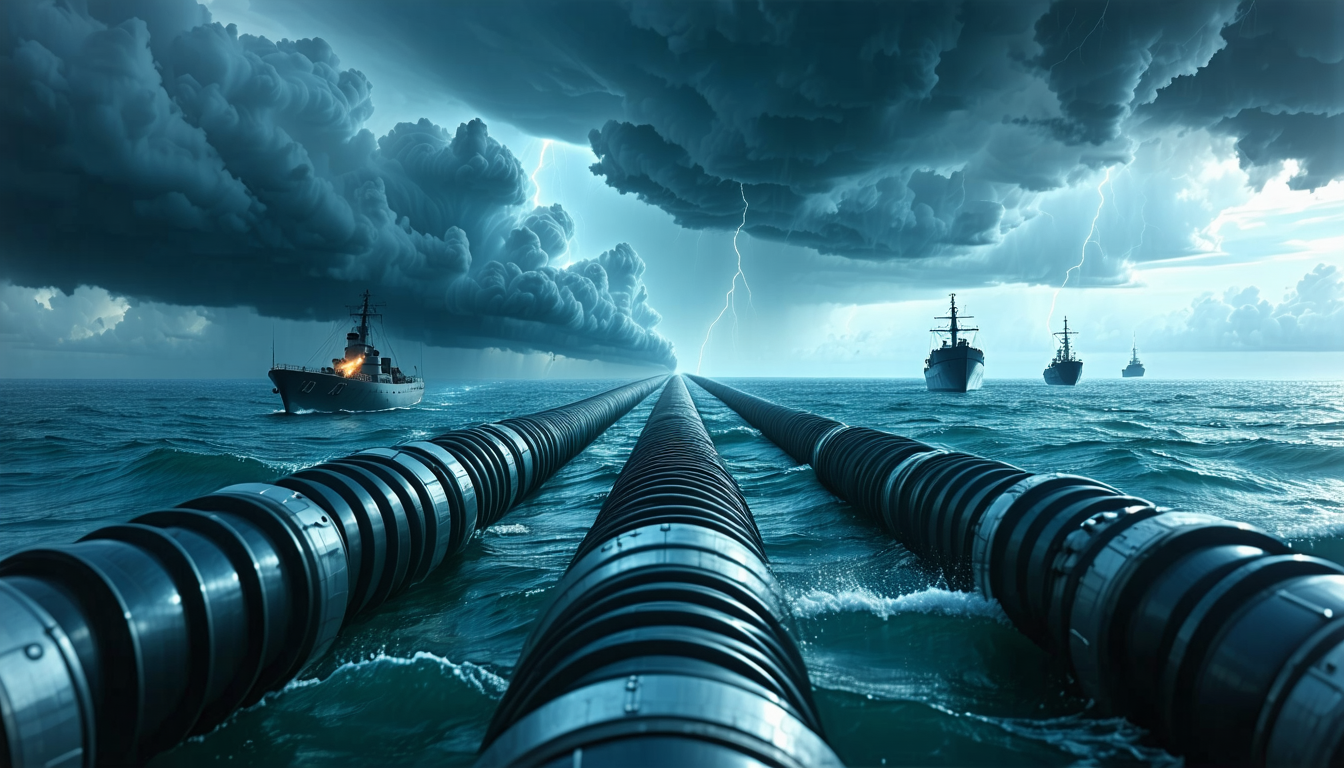
The escalating geopolitical tensions in the Strait of Hormuz region have sparked international alarm over the vulnerability of submarine cables, the hidden infrastructure upon which the world's digital communications depend.
These underwater conduits are responsible for transmitting more than 99% of international data traffic, serving as the foundation for global communications, financial transactions, and information exchange. Yet they traverse narrow maritime corridors where political and security threats loom large.
Recent developments underscore these risks. Iran has proposed levying tolls on submarine cables transiting the Strait of Hormuz, viewing them as a strategic vulnerability in the region's digital economy. Separately, Western intelligence has accused China of targeting cables near Taiwan, while Russian vessels have conducted operations near cables off northern Britain—though without causing reported damage. The British government has responded by strengthening legislation to prosecute deliberate sabotage of submarine infrastructure, with penalties including imprisonment.
The global submarine cable network comprises approximately 600 cables stretching over 1.5 million kilometers, with major technology companies including Google, Meta, Microsoft, and Amazon playing significant roles in their operation alongside specialized international consortiums.
While isolated cable failures typically do not cripple the internet entirely, coordinated disruptions could prove catastrophic. Widespread outages would severely degrade service speeds, interrupt financial operations, and compromise critical systems in healthcare and banking. Past incidents have demonstrated this vulnerability, with accidental damage—such as ships dragging anchors across cables or commercial shipping activities—having caused significant data disruptions between Asia and Europe.
The concentration of cables through limited maritime passages presents an acute challenge. The Red Sea and Strait of Hormuz represent particularly narrow chokepoints where cables face heightened exposure to both intentional targeting and accidental damage.
International responses are underway. NATO-backed initiatives are working to enhance internet resilience by diversifying transmission routes across terrestrial and satellite infrastructure. However, experts acknowledge that satellite technology cannot fully replace submarine cables due to capacity constraints and prohibitive costs.
The consensus among telecommunications professionals and digital infrastructure specialists points toward a necessary future of route diversification and reduced dependency on congested sea lanes. As geopolitical tensions persist, these submarine cables have become recognized as a potential strategic vulnerability in the architecture of the global digital economy.
Compare options


