Google Maps' Time-Travel Feature Lets You Revisit Locations from 2007 Onward
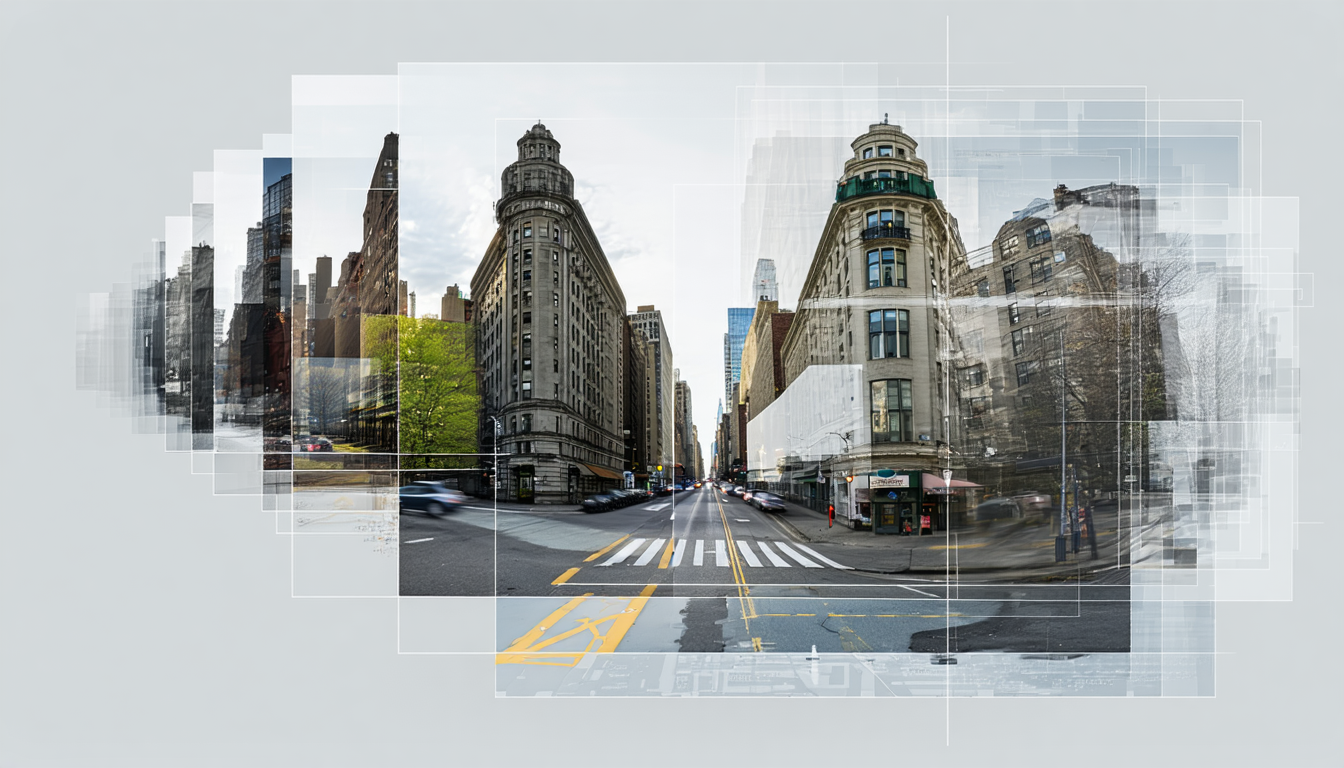
Google Maps has integrated a powerful tool that enables users to step back in time and examine photographs spanning from 2007 to the present. This capability draws from the extensive collection of images amassed through Google's Street View initiative, as specialized vehicles have traversed global routes and systematically captured sequential imagery of the same locations year after year.
Accessing Historical Imagery
The time-travel feature can be accessed through Google Maps' web interface by locating a desired area and positioning the Pegman—the yellow figure icon—onto blue-highlighted streets to activate Street View mode. Once activated, a date selection option becomes available, permitting viewers to navigate through the photographic archive and compare how specific locations appeared across different years.
Mobile users benefit from similar functionality on both Android and iOS platforms. By long-pressing on a location within the app, selecting Street View, and choosing from available dates, individuals can retrieve older photographs should they exist for that particular area.
Documenting Change Over Time
The feature provides a unique window into urban and social evolution. Residents can observe how neighborhoods have developed, commercial districts have shifted, and architectural landmarks have been modified. In certain locations, the progression of construction projects or the removal of older structures becomes visible across multiple years. Beyond infrastructure, the imagery captures evolving trends in transportation, fashion, and community life.
The scope and depth of available imagery depend significantly on regional factors. Major metropolitan centers typically contain more comprehensive records than rural or less frequently visited areas, reflecting the frequency with which Street View vehicles have conducted surveys in each location.
Practical and Cultural Applications
While entertainment and personal reminiscence drive much of the feature's popularity, its utility extends far beyond nostalgia. Researchers, urban planners, and historians employ it to analyze environmental and social transformations. Individuals have also embraced it as a means of reconnecting with memories tied to previous residences and communities—a use case that has generated considerable engagement across social media platforms.
The feature exemplifies how large-scale digital data collection and archiving can serve broader purposes in understanding global change, offering contemporary viewers an unprecedented opportunity to examine how the world has evolved across the past two decades.
Compare options


