Iran Negotiator Demands Tangible Results as Nuclear Talks With US Reach Critical Stage
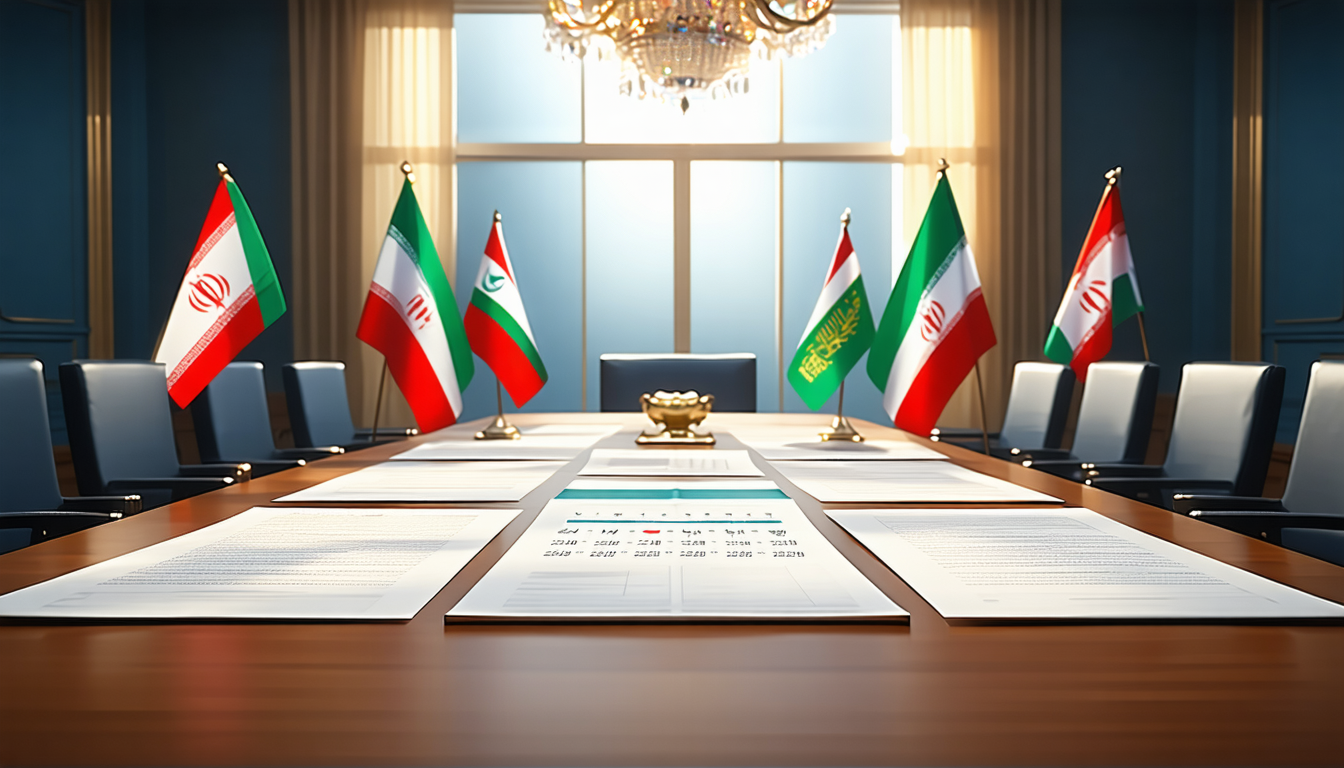
Negotiations between Tehran and Washington aimed at ending the current military conflict have reached a delicate juncture, with Iranian chief negotiator Mohammad Bagher Qalibaf making clear his country's determination not to accept any deal without robust safeguards for Iranian interests.
Speaking after his swearing-in to lead the Iranian Shura Council's new Presidency, Qalibaf emphasized that Tehran harbors fundamental doubts about Washington's reliability. He stated that Iran will only move forward with agreements if tangible, on-the-ground results materialize before Iran fulfills its own obligations, according to reporting from the IRNA news agency.
The Iranian negotiator also urged national unity, cautioning against allowing internal disagreements to fracture the country as it faces simultaneous military, economic, and diplomatic pressures.
Meanwhile, US officials and informed sources indicate that President Donald Trump has submitted a more demanding proposal to the Iranian delegation, a development that could extend the negotiating timeline and necessitate further rounds of talks.
Trump himself has projected optimism about reaching a "good agreement" while simultaneously keeping military action on the table. In comments to Fox News, he indicated he would deploy the military if the deal failed to meet American interests.
The US President has outlined several key demands: immediate opening of the Strait of Hormuz without tolls, complete Iranian renunciation of nuclear weapons development, and American military withdrawal from the region following these measures. Trump also noted that an agreement would enable swift reopening of the strategic waterway.
Trump acknowledged that Iranian negotiators are seasoned tacticians, though he stressed he is not operating under time constraints. He indicated that Tehran has already committed to forgoing nuclear weapons development, but implementation details remain the primary sticking point.
Talks have proceeded for weeks via Pakistani intermediaries, with several obstacles persisting. The status of approximately 440 kilograms of highly enriched uranium represents one critical dispute—Iran refuses to transfer it to a third party, particularly the United States, while Washington views this condition as essential to any agreement.
The question of Iran's frozen foreign assets forms another major negotiating hurdle. Tehran seeks explicit assurances enabling access to portions of its blocked funds, whereas Washington insists on linking any sanctions relief or asset release to verified nuclear and security commitments.
Qalibaf's recent statements underscore Tehran's position: it will not accept an agreement resting solely on American assurances but demands concrete preliminary steps preceding corresponding Iranian commitments. The fundamental dispute has shifted from whether an agreement should occur to matters of sequencing, verification methods, and mutual accountability measures.
Trump appears intent on leveraging time pressures alongside military and economic leverage to secure a more stringent agreement than previous arrangements he has publicly criticized. He also seeks to avoid domestic political attacks suggesting concessions to Tehran.
The negotiations face a critical phase as Washington maintains firmness on uranium and Hormuz issues while Tehran insists on guarantees and resolution of its frozen assets. Though an agreement appears conceivable in principle, the technical details remain unresolved—details that will ultimately determine whether the conflict concludes through political settlement or the region descends into renewed military tensions.
Compare options


