Lebanon Emerges as Pivotal Factor in US-Iran Negotiations
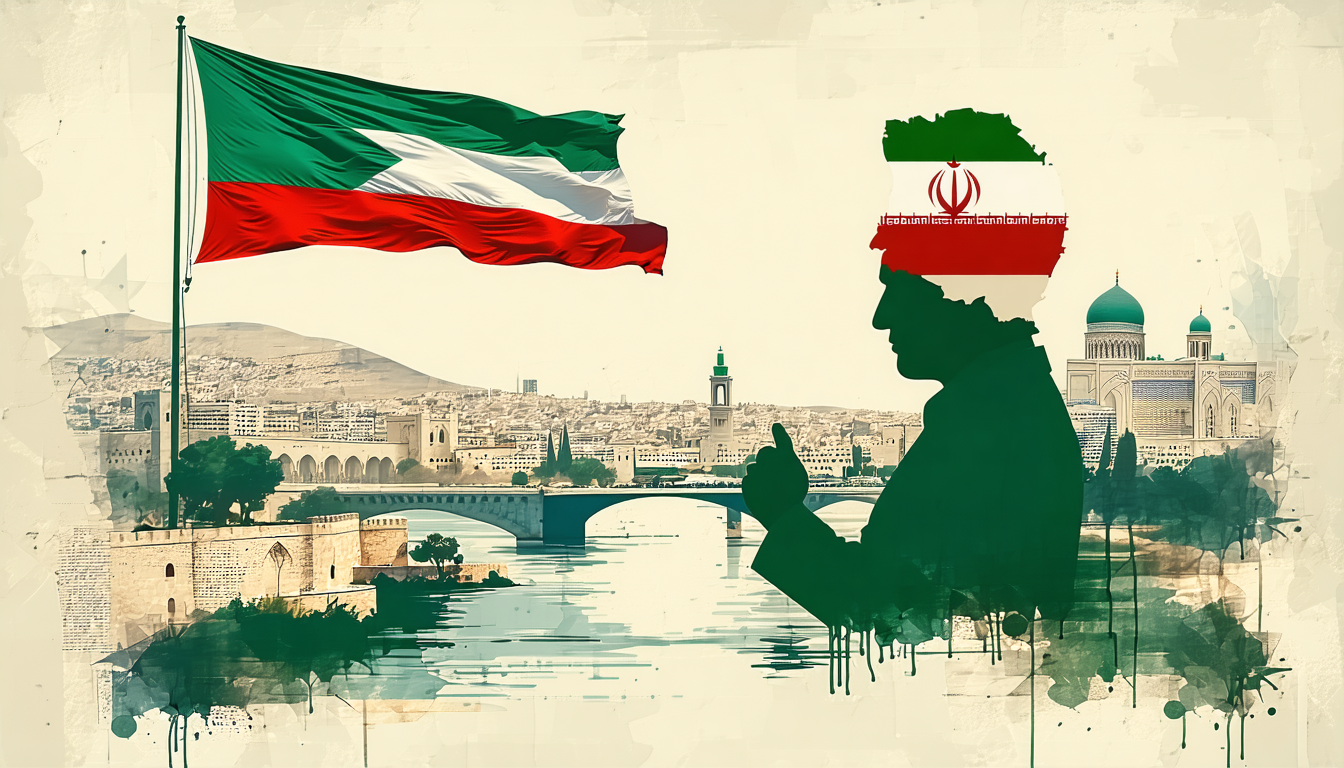
The situation in Lebanon has evolved into a critical component of ongoing discussions between the United States and Iran, fundamentally reshaping the diplomatic landscape. As reported by Newsweek, the Israeli-Hezbollah conflict has shifted from a peripheral concern to occupy center stage in calculations surrounding a potential comprehensive settlement between Washington and Tehran.
The White House has convened unprecedented military discussions involving Israeli and Lebanese leadership, signaling the heightened importance placed on resolving tensions in the country. Israel has made clear its objective to achieve Hezbollah's disarmament, with Prime Minister Benjamin Netanyahu asserting that military operations against the organization will continue regardless of progress in broader US-Iranian talks.
Tehran's position presents a significant complication for negotiations. Iran, which maintains that it successfully endured a three-month military campaign waged by the United States and Israel, has made a fundamental demand: any lasting peace agreement must encompass an end to hostilities across all theaters, with Lebanon specifically included. This stance reflects Tehran's conviction that regional conflicts are interconnected and directly impact its strategic security.
Hassan Beheshtipour, an Iranian international affairs analyst, explained to Newsweek that his country does not view the choice between economic benefits and support for Hezbollah as mutually exclusive. Rather, a Lebanese ceasefire represents a foundational requirement for any US-Iranian accord. He emphasized that this position transcends ideological solidarity, instead rooted in Tehran's assessment of its national security interests and the interconnected nature of regional threats.
Hezbollah's strategic value to Iran stems from its central position within the so-called "axis of resistance," through which Tehran coordinates training and support for allied movements across the Middle East. Despite sustained criticism from the United States, Israel, and Gulf states including Saudi Arabia and the UAE, Iranian calculations suggest that maintaining these alliances yields greater benefits than the economic and political costs incurred.
Beheshtipour further noted that even if the Lebanese ceasefire condition were negotiated away, Iran would likely evaluate whether sustaining limited conflict there—maintaining minimal deterrent capabilities against Israel—aligns with its national interests, even at the expense of economic gains. He stated: "From Tehran's perspective, supporting the strategic partners on the resistance front is not a cost, but rather an integral part of the national security equation."
Meir Javidanfar, an Iranian affairs researcher at Reichmann University, drew a parallel between Iran's regional strategy and the US defense model through NATO. He characterized Tehran's allies within the axis of resistance as a protective network safeguarding regional interests and objectives. Iran's insistence on including the Israeli-Lebanese ceasefire in any agreement, coupled with its willingness to forgo economic benefits to maintain these partnerships, underscores their centrality to Iranian security doctrine.
Netanyahu confronts mounting difficulties in his own position. Having pledged to secure a decisive victory against Hezbollah, the Israeli Prime Minister appears to face diminishing leverage over Trump as Middle Eastern instability persists. Last week, Trump remarked that Netanyahu "will do what I want from him" regarding the conflict—language observers interpreted as signaling reduced Israeli influence over the American administration.
Javidanfar suggested that Netanyahu expended considerable political capital during the Gaza conflict through decisions some viewed as misaligned with Israeli and American interests. He noted that prominent American figures grew troubled by Netanyahu's conduct, particularly following the Qatar incident.
The divergence between Iranian and Israeli objectives in Lebanon threatens to destabilize the entire negotiating framework. Barbara Leaf, formerly US Assistant Secretary of State for Near Eastern Affairs under President Joe Biden, cautioned that Iran may exploit potential disagreements between Trump and Netanyahu to extract concessions. She suggested Tehran's effort to incorporate Lebanon into a peace agreement aims to constrain Netanyahu's actions and compel Israeli withdrawal from southern Lebanon. Iran might impose conditions Israel finds unacceptable, including complete withdrawal and cessation of all military operations.
Leaf proposed that Trump might grant Netanyahu an exception permitting "self-defense" measures in any revised Iran agreement, enabling Israel to continue degrading Hezbollah's capabilities.
Mick Mulroy, who served as US Deputy Assistant Secretary of Defense for Middle Eastern Affairs during Trump's first term, characterized Iran's position as seeking to end the Lebanese conflict as part of any broader agreement concluding US-Iranian hostilities. He emphasized that such arrangements must ensure Hezbollah refrains from attacking Israel, and that Iran's participation proves essential for any accord's viability.
These developments demonstrate that Lebanon has transitioned from a peripheral concern to a direct test of Trump's capacity to balance Israeli demands with Iranian interests. With Netanyahu pursuing permanent arrangements against Hezbollah and Tehran determined to preserve its regional influence network, the Lebanese front appears positioned to determine whether a comprehensive agreement emerges or whether the region faces renewed escalation.
Compare options


