UAE's Hidden Military Role in Recent Iran Conflict Revealed
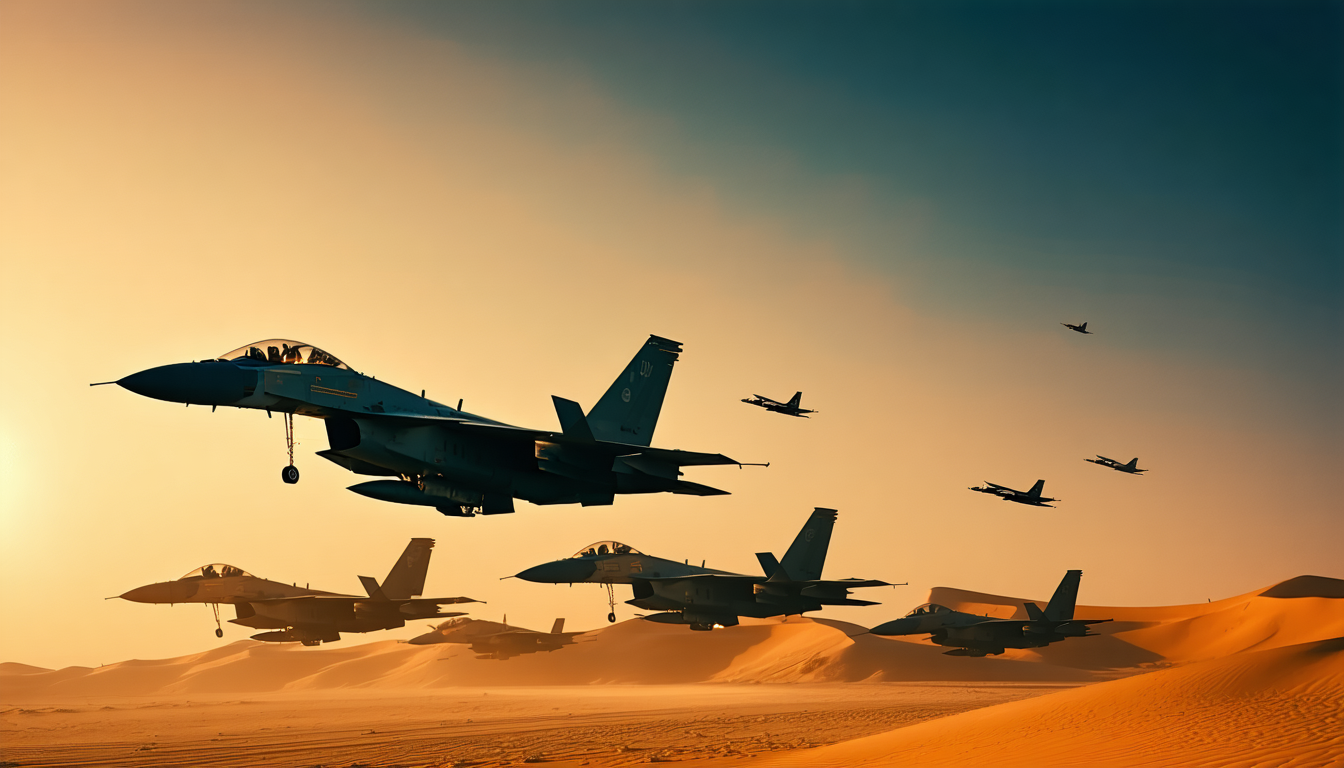
An American investigative report has brought to light previously concealed dimensions of the recent military campaign against Iran, demonstrating that the United Arab Emirates played a direct and active role in combat operations. According to the Wall Street Journal investigation by journalists Samar Saeed and Anat Bild, the Emirates executed dozens of aerial bombardments in close coordination with Washington and Tel Aviv—a substantially deeper engagement than had been publicly recognized.
The Emirati strikes commenced during the opening stages of the conflict and persisted through the day following the ceasefire announcement. These operations targeted strategically significant Iranian positions throughout the Gulf region and around the Strait of Hormuz.
According to sources cited in the report, the military actions unfolded with intelligence support from both the United States and Israel. The targeted sites included Qeshm and Abu Musa islands, Bandar Abbas port, the refinery on Lavan Island, and the Asaluyeh petrochemical complex.
The report indicates that several strikes aimed at Iranian energy infrastructure were conducted as retaliation for Tehran's attacks on Emirati oil and gas facilities. The operation against Asaluyeh, carried out jointly with Israeli forces, generated significant international controversy and prompted Washington to urge Israel to refrain from further strikes on Iranian energy installations.
Before the conflict erupted, Gulf nations had announced they would not permit their airspace or military bases to be utilized for operations targeting Iran. However, the report reveals that some of these states, notably the Emirates, reversed course once hostilities began and Iranian attacks on Gulf cities, airports, and critical infrastructure intensified.
The UAE bore the brunt of these Iranian assaults, sustaining more than 2,800 missile and drone strikes—a figure exceeding attacks on any other nation, including Israel.
This escalation exacerbated regional divisions. In early April, Saudi Arabia lodged complaints with the United States, contending that Emirati strikes heightened the risk of Iranian retaliation against energy facilities across the region, potentially driving crude prices upward and destabilizing global markets. Riyadh sought to persuade Washington to pressure Abu Dhabi to cease retaliatory operations and join diplomatic containment efforts.
The UAE Foreign Ministry responded by asserting that Iran bears complete responsibility for attacks on the Emirates and their consequences. The Israeli Prime Minister's office declined to comment, as did Saudi authorities, and the White House similarly refrained from addressing the report.
The investigation reveals that Emirati President Sheikh Mohammed bin Zayed Al Nahyan expressed frustration with Saudi Crown Prince Mohammed bin Salman during the conflict over the kingdom's refusal to participate in coordinated military operations against Iran, widening the rift between the two Gulf powers.
The report documents additional hardline Emirati measures, including support for UN resolutions authorizing force to break Iranian control of the Strait of Hormuz, alongside economic actions targeting Iranian interests within the Emirates. These included shuttering schools and clubs connected to Tehran in Dubai and imposing visa and transit restrictions on Iranian nationals, effectively constraining one of Iran's most critical economic lifelines during years of Western sanctions.
Iran repeatedly accused the Emirates of joining the American-Israeli military campaign.
Despite this participation, the report notes that Emirati operations remained limited in scope relative to the combined American and Israeli air campaign, which encompassed over 20,000 strikes. From a military standpoint, the Emirati contribution was largely symbolic in nature.
Nevertheless, the report cautions that this approach may render the Emirates an increasingly attractive target for Iran going forward, particularly following the Iranian attack on Fujairah oil port last May and the crash of a drone launched from Iraq near the Emirati nuclear power facility.
In recent weeks, Abu Dhabi has shifted toward prioritizing diplomatic solutions, recognizing the mounting threats to its vital infrastructure. The report indicates that the Emirati president was among regional leaders who encouraged President Donald Trump to pursue a peace agreement with Iran during a call in early May.
The investigation concludes that the recent conflict has strengthened the UAE-Israel alliance, with Israeli officials expressing strong satisfaction with the Emirati role and viewing the relationship as a long-term strategic partnership. Israel deployed Iron Dome batteries and military personnel to assist in protecting the Emirates throughout the war, and dozens of Israeli soldiers remain stationed at a military facility within the Gulf state. Senior Israeli officials, including Prime Minister Benjamin Netanyahu, Mossad's chief, the Shin Bet director, and the military chief of staff, conducted covert visits to the Emirates to coordinate positions on Iran.
These revelations illuminate previously hidden dimensions of the conflict while underscoring the profound shifts reshaping the region, where alliances are no longer defined solely by declared political stances but increasingly by military roles orchestrated beyond public view.
Compare options


