US-Iran Negotiations Include Lebanon Ceasefire as Talks Enter Critical Phase
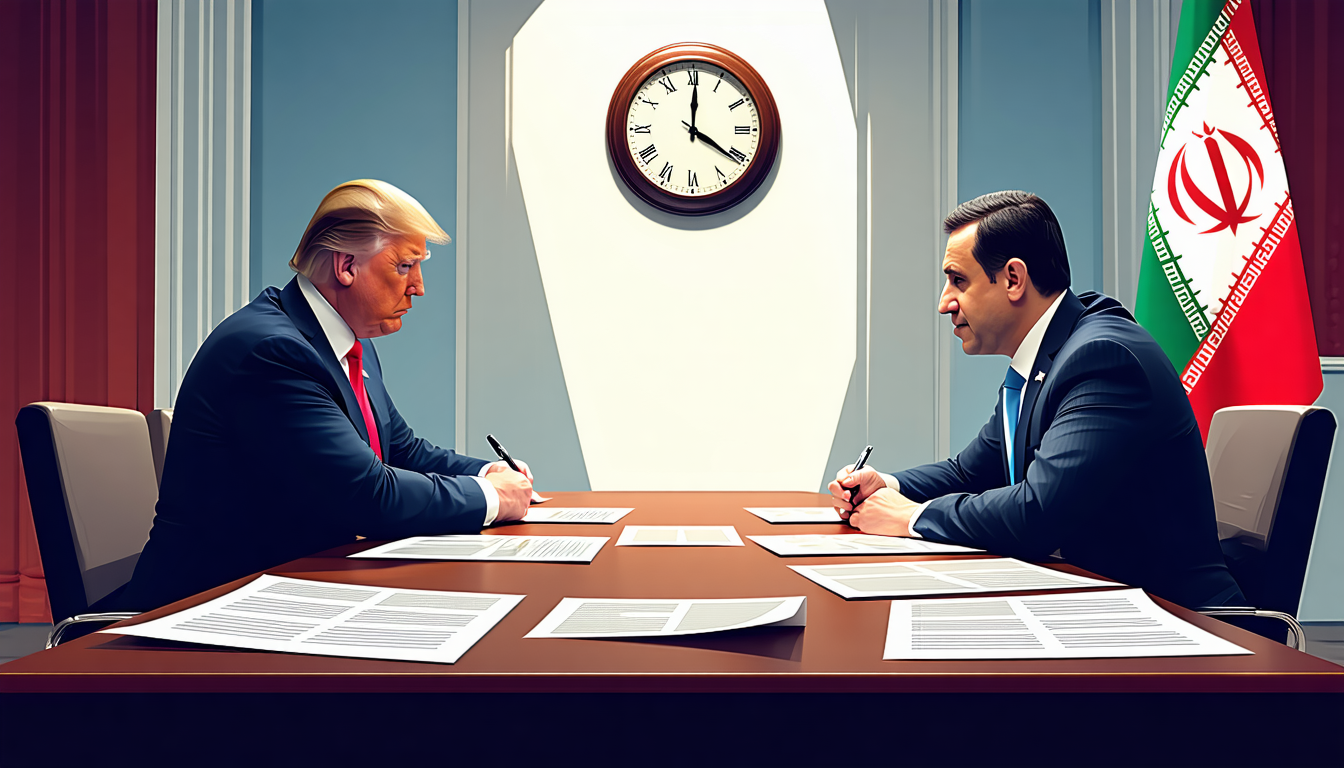
Negotiations between Washington and Tehran have reached a pivotal moment, with discussions now encompassing far more than shipping lanes and petroleum markets. The emerging framework addresses the Strait of Hormuz, Iran's nuclear ambitions, and critically for the region, an end to hostilities between Israel and Hezbollah in Lebanon.
According to details disclosed by American officials, the proposed memorandum of understanding would establish a 60-day interim period with provisions to extend through mutual agreement. During this timeframe, the Strait of Hormuz would operate without tolls, and Iran would commit to removing mines it had previously deployed to facilitate unimpeded maritime passage.
In exchange, the United States would lift its port blockade on Iran and grant certain sanctions exemptions, permitting Tehran to resume oil sales. An American official acknowledged this would benefit Iran's economy while simultaneously providing substantial relief to global energy markets. The official characterized Trump's underlying principle as "relief in exchange for performance," with the pace of sanctions relief tied directly to Iranian actions regarding mine removal and shipping restoration.
On the nuclear question, Iran would pledge never to develop atomic weapons and engage in negotiations to suspend uranium enrichment activities and eliminate stockpiles of highly enriched uranium. Two sources briefed on the talks indicated Tehran has conveyed verbal commitments through intermediaries regarding the scope of nuclear concessions it would accept.
The American side has indicated willingness to negotiate sanctions removal and the release of frozen Iranian assets within the 60-day window, though implementation would occur only through a final comprehensive agreement subject to verification mechanisms. Military forces currently deployed throughout the region would remain in place during the interim period and only depart upon reaching a definitive accord.
For Lebanon, the agreement's most consequential element involves terminating the Israel-Hezbollah conflict. Israeli Prime Minister Benjamin Netanyahu expressed reservations about this provision during a Saturday conversation with Trump, though he communicated his concerns respectfully, according to an American official.
The American official clarified that any ceasefire would not be unidirectional. Should Hezbollah attempt to rearm or orchestrate attacks, Israel would retain authority to respond preventively. "If Hezbollah acts, Israel will act," the official stated.
"Bibi has his own internal calculations, but Trump has the interests of the United States and the global economy to think about," the official added, using the Israeli leader's nickname.
Trump consulted with multiple Arab and Muslim leaders during a Saturday telephone conference regarding the agreement. According to three sources familiar with the call, leaders from the United Arab Emirates, Saudi Arabia, Qatar, Egypt, Turkey, and Pakistan all voiced support. Pakistani Field Marshal Asim Munir played a lead mediation role and traveled to Tehran on Friday and Saturday to advance negotiations.
Trump had recently weighed between pursuing diplomatic channels and authorizing extensive military strikes against Iran. By Saturday evening, he appeared inclined toward negotiated resolution.
White House officials anticipate resolving outstanding differences imminently, with a potential announcement targeted for Sunday. However, an American official cautioned that the agreement may not survive the 60-day period if the United States determines Iran lacks genuine commitment to nuclear discussions.
Washington views Iran's economic hardship as motivation for pursuing a broader settlement that would lift sanctions and release frozen assets. The official reflected on the stakes: "It will be interesting to see how far Iran is actually willing to go, but if it is able and wants to change course, this next phase will force it to make some critical decisions about what it wants to be as a country."
Trump's advisors have indicated the president would pursue significant normalization of relations with Iran and support its economic development if Iranian nuclear demands are satisfied, describing the nation's potential as "tremendous."
The emerging framework transcends a simple maritime arrangement. It represents an intricate convergence of energy markets, nuclear proliferation concerns, and regional stability—a 60-day test that could either open pathways to comprehensive settlement or merely provide a temporary respite before renewed escalation.
Compare options


