Russia's National Football Team Adopts Homegrown Apparel Brand Following Western Sanctions
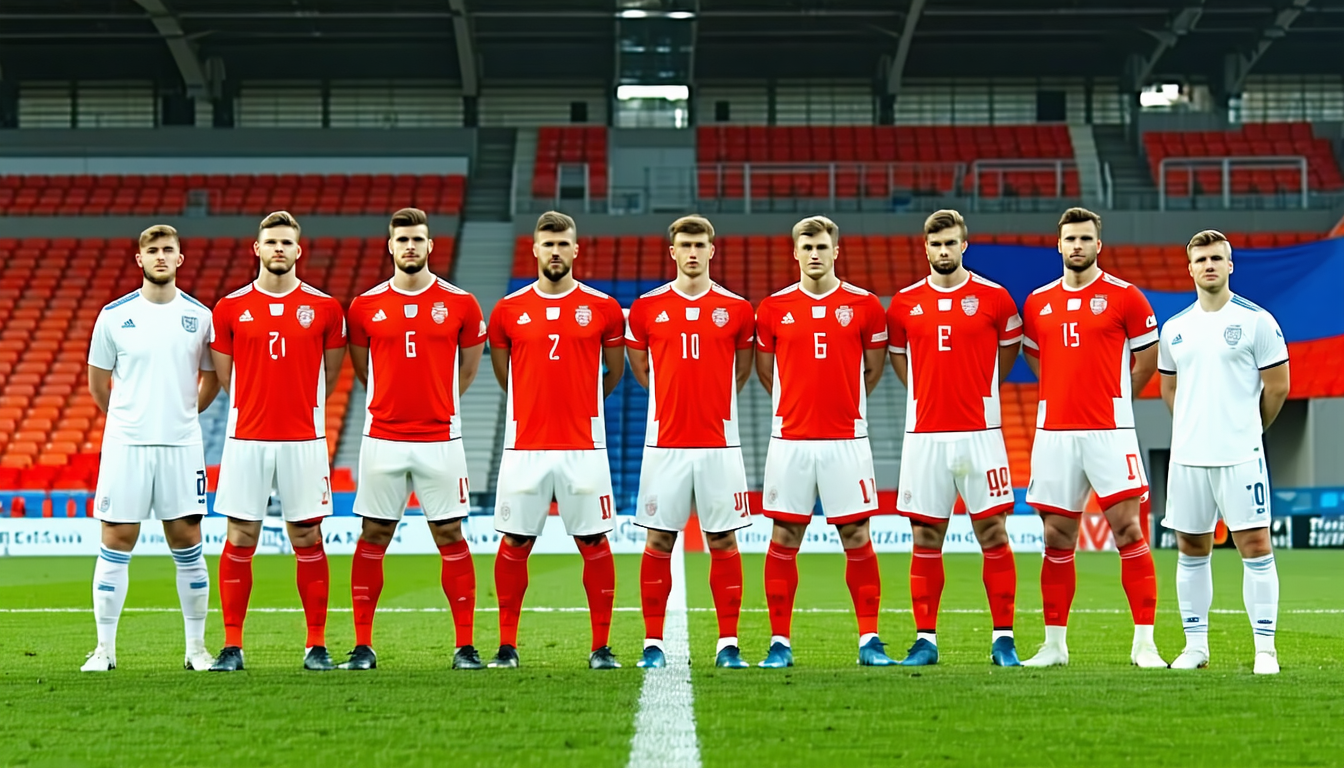
The Russian national football team has undergone a dramatic transformation in its outfitting arrangements, transitioning away from the Western sportswear brands that have equipped the squad since the post-Soviet era began in the 1990s.
For more than three decades, Russian footballers wore gear supplied by major international manufacturers. Following the Soviet Union's collapse in 1991, the Russian Football Federation established a partnership with German sportswear maker Adidas in 1992. This initial collaboration lasted just one year before American companies assumed the role.
Between 1993 and 1996, Reebok provided the team's kit, followed by Nike's 16-year tenure from 1997 through 2008. Adidas then returned to outfit the national squad under a long-term agreement that would span more than a decade.
The geopolitical landscape shifted dramatically with the February 2022 invasion of Ukraine. In response to the conflict and the sweeping sanctions imposed by Western nations on Russia, Adidas terminated its contract with the Russian national team. The German company further distanced itself from the Russian market by suspending retail operations and e-commerce services in March 2022, ultimately announcing a complete exit from Russia in October that same year.
Beginning in 2024, Russian national team players have worn uniforms manufactured by Yugl, a Moscow-based company founded in 2015 by Artur Movsesyan, a businessman of Armenian descent. This marks the first instance of the national team relying entirely on domestic apparel production.
Beyond the Russian squad, Yugl supplies kits to the Somali national team and maintains partnerships with several club-level organizations, including Armenian side Alashkert and Belarusian club Dinamo Minsk. The company's expansion into national team sponsorship reflects broader efforts by Russian sports entities to develop self-sufficient supply chains amid international isolation.
Compare options


