Israel's Military Embraces Robotic Warfare: "Iron Beast" and "Panda" Lead New Combat Systems
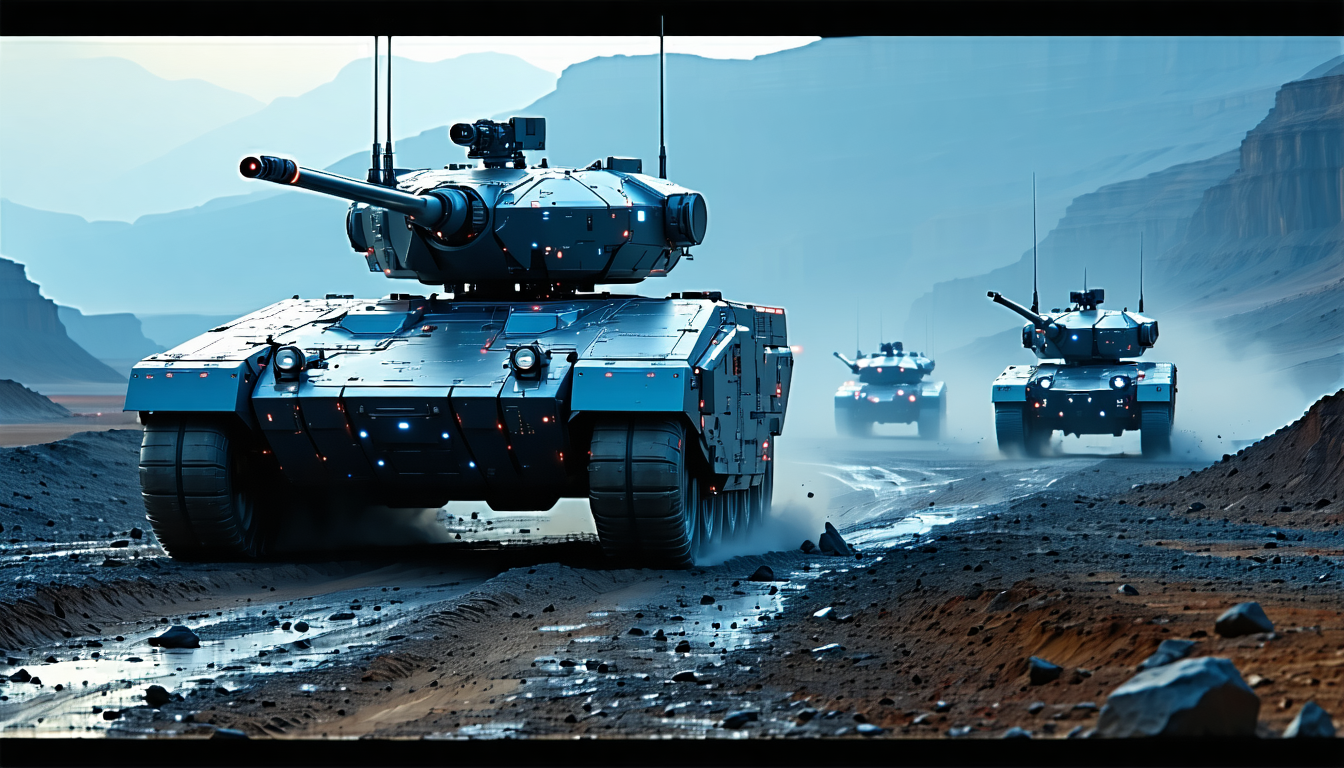
The nature of modern conflict is shifting at an accelerating pace, and Israel's military is responding with one of the most dramatic transformations in its contemporary history. Rather than treating robotic systems as supplementary tools, the Israeli Defense Forces are now constructing an integrated combat ecosystem built on unmanned vehicles, artificial intelligence, and autonomous systems—all designed to minimize human casualties and address the complexities of contemporary battlefields, particularly in Lebanon and Gaza.
According to reporting from journalist Itamar Almog at Channel 12, the military has begun converting aging M-113 personnel carriers—vehicles largely retired from active service—into unmanned robotic platforms that are returning to the field with entirely new capabilities. A Major heading the robotic systems division within the Land Technology Branch explained that the concept emerged from the 2014 conflict, describing the initiative as "turning waste into gold."
The ongoing war has prompted a fundamental reconsideration of how robotic systems function within military operations. Previously confined to elite units and specialized missions, these technologies have now become integral to standard field operations. While the October 7th attack exposed vulnerabilities in over-reliance on technology, it paradoxically accelerated investment in robotic systems—not to replace soldiers, but to shield them from direct danger.
In February, Israeli Chief of Staff Eyal Zamir established a new "robotics corps" within the military, drawing on combat experience. This decision reflects growing confidence that future battlefields will see increasing numbers of tasks transferred from personnel to autonomous or remotely operated systems.
Throughout the current conflict, Israeli forces have deployed thousands of robotic platforms across air, sea, land, and underground environments. Some handle logistical functions, others explore tunnels or clear routes under fire, while certain systems now participate directly in offensive operations. Israeli officers emphasize that "the coming battle will be a robotic warfare battle," with ambitions to equip all combat units—not just special forces—with these capabilities.
Among the most notable new systems is the "Iron Beast," developed by Israel's Defense Ministry in collaboration with military industries. This platform enables existing armored vehicles to be converted into remotely operated combat stations. These vehicles transport explosives, clear routes, and execute missions in active combat zones without exposing soldiers to direct risk. Some field commanders have begun refusing to advance without first deploying robotic units to survey the terrain.
These systems operate through compact control stations equipped with screens, antennas, and control devices. In a short timeframe, Israeli forces have expanded their operational range from several kilometers to dozens and hundreds of kilometers.
The "Panda" represents another breakthrough—a massive unmanned D9 bulldozer capable of removing obstacles, clearing roads, demolishing structures, and operating in booby-trapped zones. During Gaza operations, the Panda was sent into a suspicious corridor before troops entered, where a 100-kilogram explosive detonated. One officer reflected: "The bulldozer didn't survive intact, but if soldiers had been there, we wouldn't know who would have made it out."
Bomb disposal and reconnaissance robots, including the "Ronny" system, have become essential for tunnel operations, detecting explosives and gathering intelligence before personnel enter. An Israeli officer noted: "The explosive detonated in the robot, not in a person," adding a phrase common among robotics units: "The robot doesn't have a mother we need to visit."
The Ukrainian conflict has accelerated this Israeli trajectory, particularly following integrated robotic operations conducted by Ukrainian forces. President Volodymyr Zelenskyy announced that his forces captured a Russian position through a robot that detained three Russian soldiers—described as the first instance of its kind in military history.
In just the past three months alone, Ukraine has executed more than 20,000 operational missions using robotic systems, reinforcing conviction within the Israeli military that future warfare is rapidly moving toward this model.
Beyond ground systems, Israeli forces are developing unmanned aircraft designed to deliver blood supplies to wounded soldiers in combat zones and implementing AI-powered medical systems that monitor casualty conditions in real time. The military is also exploring "neurofeedback" and artificial intelligence applications to assist soldiers experiencing stress and psychological trauma from combat, attempting to harness technology not only for fighting but for addressing war's aftermath.
While program leaders acknowledge that robotic systems have not yet achieved fully autonomous combat operations, the trajectory is unmistakable. One supervising officer stated: "This is my biggest dream," gesturing toward a future where robotic systems become essential combat partners.
The Israeli military is not currently seeking to replace the soldier, but rather to establish a new warfare model based on human-machine partnership, even as technological advancement appears to outpace ongoing discussions about the shape of future conflicts.
Compare options


