Shipping Returns to Hormuz Amid Escalating Tensions and New Iranian Controls
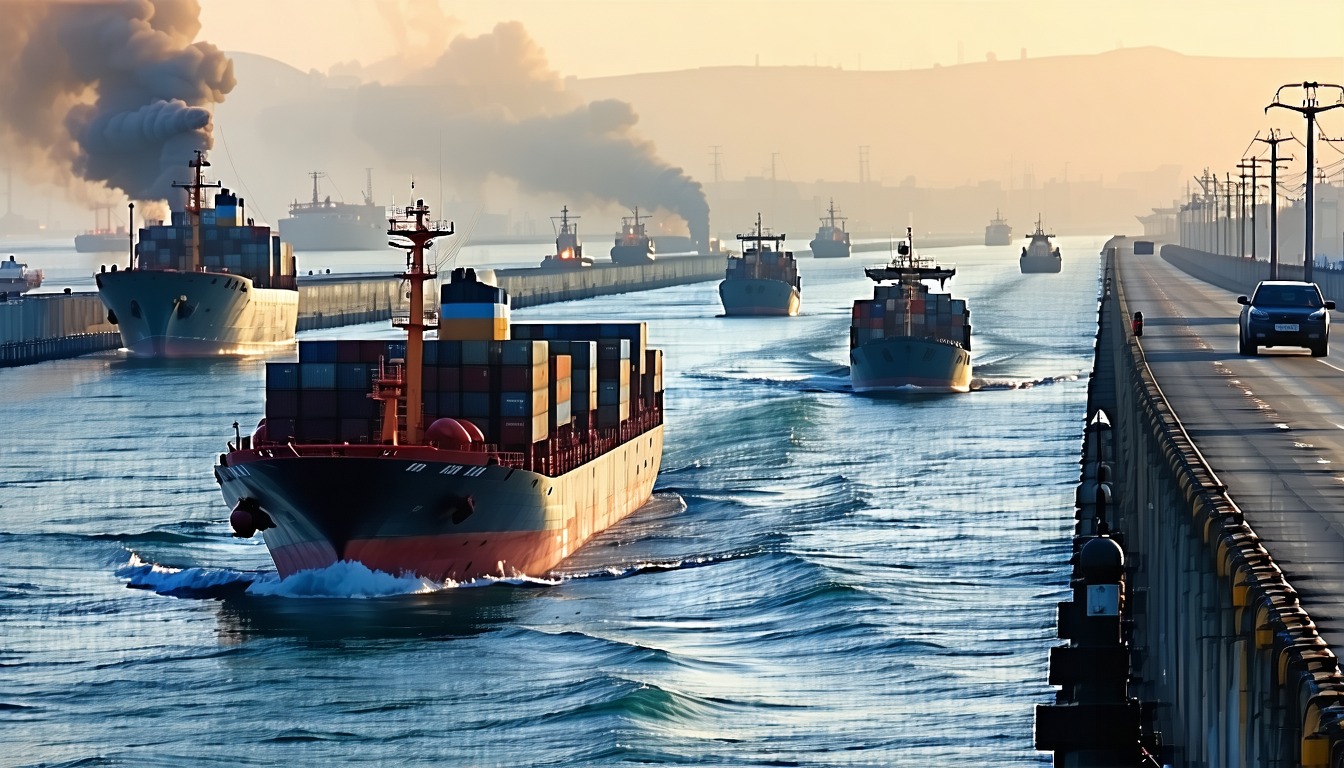
Signs of cautious recovery are emerging in the Strait of Hormuz's shipping lanes, even as military tensions persist across the region. Maritime intelligence from Lloyd's List Intelligence indicates a gradual uptick in vessel crossings by non-Iranian flagged ships navigating the critical waterway.
The uptick follows months of disruption stemming from conflict that began on February 28, during which Tehran intensified its grip over strait navigation. This tightening of control severely hampered oil and gas shipments and triggered international alarm over energy security and global commerce.
Recent maritime data shows vessels bearing flags from Singapore, the United Arab Emirates, South Korea, and Norway have successfully transited the strait, suggesting some nations are attempting to resume regular passage despite mounting security challenges and geopolitical complications.
Energy tracking firm Kepler reported 27 crossings by major oil tankers unaffiliated with Iran since the outbreak of hostilities, with more than half occurring in May alone. This pattern demonstrates a nascent willingness among some operators to resume reliance on the vital passage.
Between May 20 and 26, five large crude carriers departed the Gulf through Hormuz bound for destinations including China, South Korea, and India. Concurrently, reports indicate certain Asian nations have undertaken direct coordination with Iranian authorities to secure safe transit for their vessels.
Tehran has formally established a new maritime authority tasked with managing navigation and collecting transit fees. The move provoked sharp American resistance, with the U.S. Treasury Department announcing sanctions against the newly created body and warning potential cooperators and fee payers of penalties.
This escalation underscores the high stakes surrounding one of the world's most strategically vital shipping lanes, through which substantial volumes of global petroleum exports flow. The international business community remains acutely concerned that any military confrontation could halt transits entirely and trigger steep increases in global energy costs.
The situation intensified when Iranian state media reported that Iranian military forces fired upon four vessels attempting passage "without coordination"—a declaration that reinforced Tehran's determination to enforce its new navigation regime. This announcement coincided with ongoing but stalled diplomatic efforts between Washington and Tehran aimed at reducing military and political hostilities.
Global capitals are maintaining close surveillance of developments in the Strait of Hormuz, recognizing its critical role in the international economy. Both diplomatic and military developments retain the potential to destabilize oil markets and maritime commerce worldwide.
Compare options


