Canada Secures Major Gas Export Deal with Germany
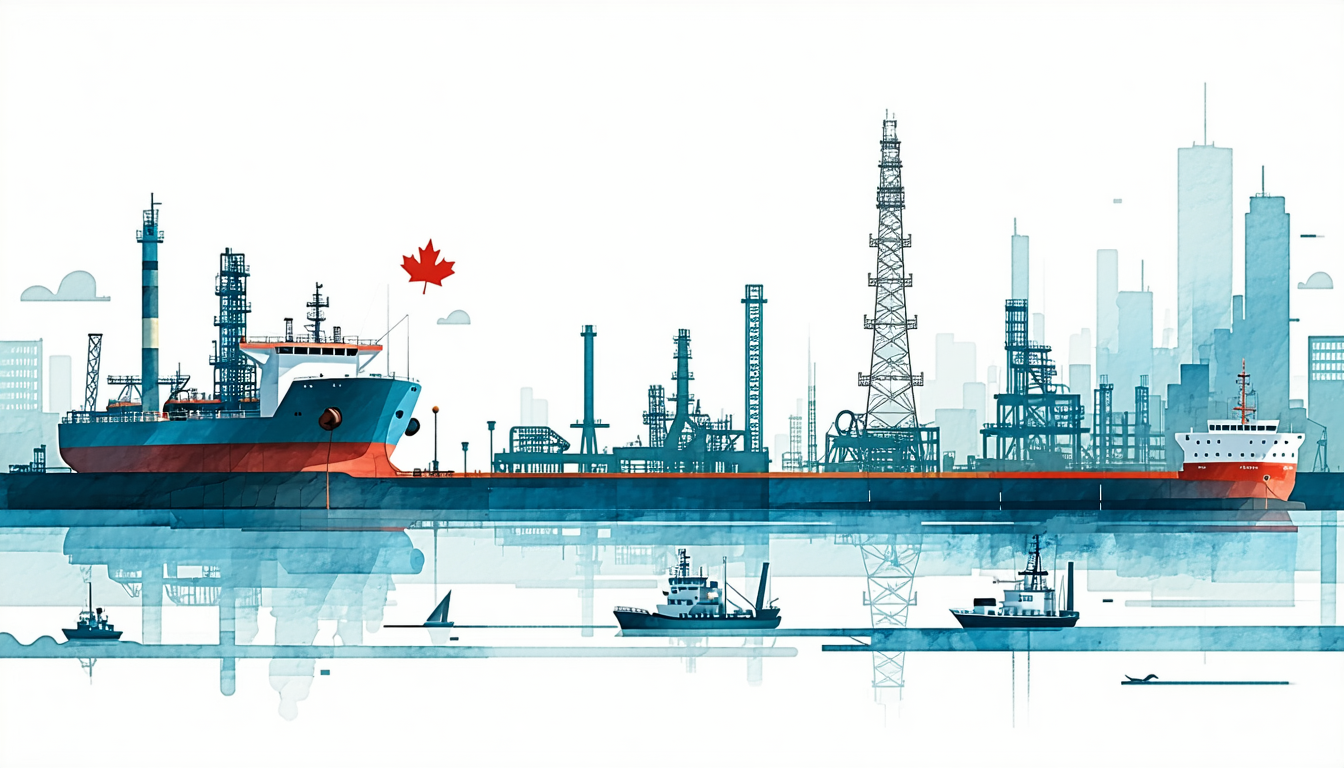
Canadian Energy Minister Tim Hodgson unveiled a landmark energy partnership on Wednesday in Vancouver, calling it an "important and exciting milestone" for the nation's resource sector.
The agreement commits Canada to delivering one million tons of liquefied natural gas annually to Germany via the proposed Ksi Lisims project, located on British Columbia's coast. The German energy company Securing Energy for Europe will facilitate the arrangement, which spans up to two decades beginning in the early 2030s.
The deal marks a significant strategic shift for Canada, which predominantly sent its liquefied natural gas exports to the United States in 2024, according to Canadian Energy Regulatory Authority figures. Hodgson characterized the agreement as evidence of Canada's capacity to address global energy shortages created by Russia's invasion of Ukraine and exacerbated by the ongoing conflict in Iran. He highlighted Canada's standing as a "reliable democracy" with substantial natural resources.
The Ksi Lisims project on the Pacific coast of northwestern British Columbia has long awaited a final investment decision. Hodgson expressed confidence that the German commitment would facilitate financing "within months," with construction to follow promptly thereafter.
Prime Minister Mark Carney has designated the project as nationally significant, qualifying it for expedited regulatory review. Hodgson attributed the breakthrough to a government trade mission led by Carney to Berlin the previous August.
Despite government enthusiasm, the initiative faces resistance. Indigenous groups and environmental advocates have raised concerns about legal and environmental consequences. Alex Walker of Environmental Defense characterized Ksi Lisims as a high-risk, legally contested venture dependent on fossil fuels rather than a genuine export success. The Nisga'a Nation, whose territory encompasses the proposed facility, has voiced support for the project.
Internal Liberal Party tensions have surfaced over environmental policy. Fourteen Liberal parliamentarians submitted a letter expressing alarm at the government's retreat from climate commitments. Former Environment Minister Stephen Guilbeault announced plans to leave Parliament this summer, departing after his prominent tenure as a Greenpeace environmental activist before entering politics.
Responding to Guilbeault's resignation, Hodgson characterized Carney's Liberal coalition as encompassing diverse perspectives, stating: "Ultimately, we come together, form a collective vision, and implement it."
In related developments, Carney announced Canada's procurement of early warning aircraft technology from a Swedish manufacturer, bypassing American competitors. The decision underscores Canada's determination to curtail military equipment purchases from the United States.
Compare options


