U.S.-Iran Talks Show Progress as Trump Warns of Return to Conflict
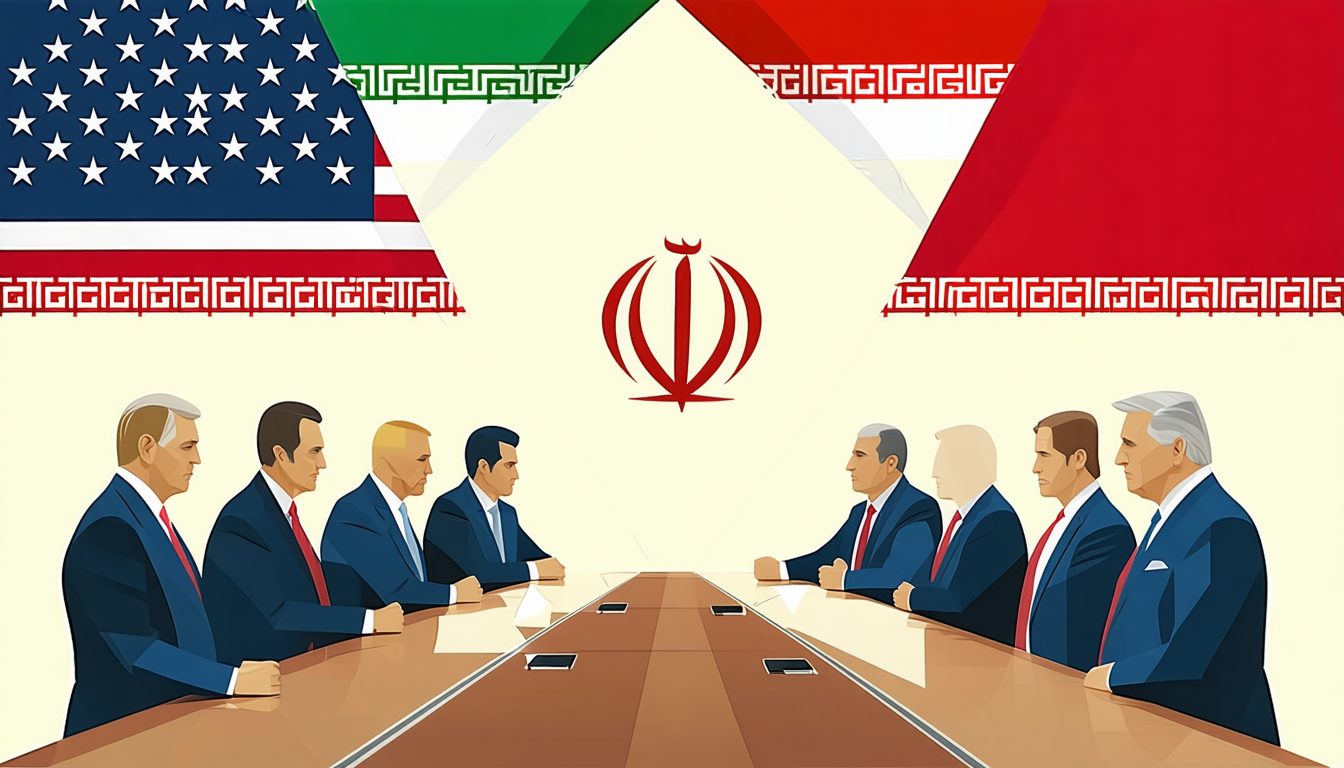
Discussions between Washington and Tehran are moving forward at a measured pace as both sides pursue a comprehensive agreement aimed at halting the current conflict and avoiding further regional escalation. The talks remain delicate, with President Donald Trump combining optimistic rhetoric about progress with explicit threats about the consequences of failure.
Recent developments indicate that the negotiating positions have begun converging, according to officials from mediating nations involved in the process. However, substantial disagreements persist on several critical matters, preventing a final accord at this stage.
Among the most significant sticking points is Iran's insistence on securing explicit assurances that any agreement will result in an end to the war in Lebanon and forestall fresh confrontations across multiple theaters. This condition represents a core demand that Tehran has made non-negotiable in ongoing discussions.
Mediators, American officials, and Iranian representatives continue engaging in intensive diplomatic efforts to finalize the terms of a framework agreement intended to cease hostilities.
Trump addressed the negotiations during remarks at the White House before a cabinet meeting, stating: "We are not yet satisfied with the deal, but we will be satisfied." He then issued a stark warning: "If we are not satisfied, we will have to go back and finish the job."
Secretary of State Marco Rubio characterized the current state of discussions as showing "progress," suggesting that developments in the coming hours could clarify the trajectory of the diplomatic process.
Trump spoke with Israeli Prime Minister Benjamin Netanyahu to brief him on negotiation developments. An American official also noted that the likelihood of Trump's special envoys, Jared Kushner and Steve Witkoff, traveling to Israel within the coming days had increased substantially.
Tensions escalated in the Strait of Hormuz alongside political negotiations. The Iranian military deployed four unmanned attack drones targeting a commercial vessel in the waterway. The U.S. military reported intercepting the drones and subsequently striking an Iranian unit responsible for the launch in Bandar Abbas before a fifth attack occurred.
The U.S. Central Command characterized its military actions as "defensive and limited" in scope, undertaken to "maintain the ceasefire." The Iranian Tasnim Agency provided a different account, claiming an American vessel had attempted to transit the strait with its radar disabled, prompting the Iranian Navy to force it to turn back.
Analysts tracking the situation suggest that failure to achieve a significant breakthrough by week's end could prompt Trump to reintroduce military escalation as a viable option, a scenario the White House appears intent on avoiding. The region remains in an uncertain state between relative stability and potential conflict resumption.
Compare options


