Trump Issues Warning to Oman Over Strait of Hormuz Control
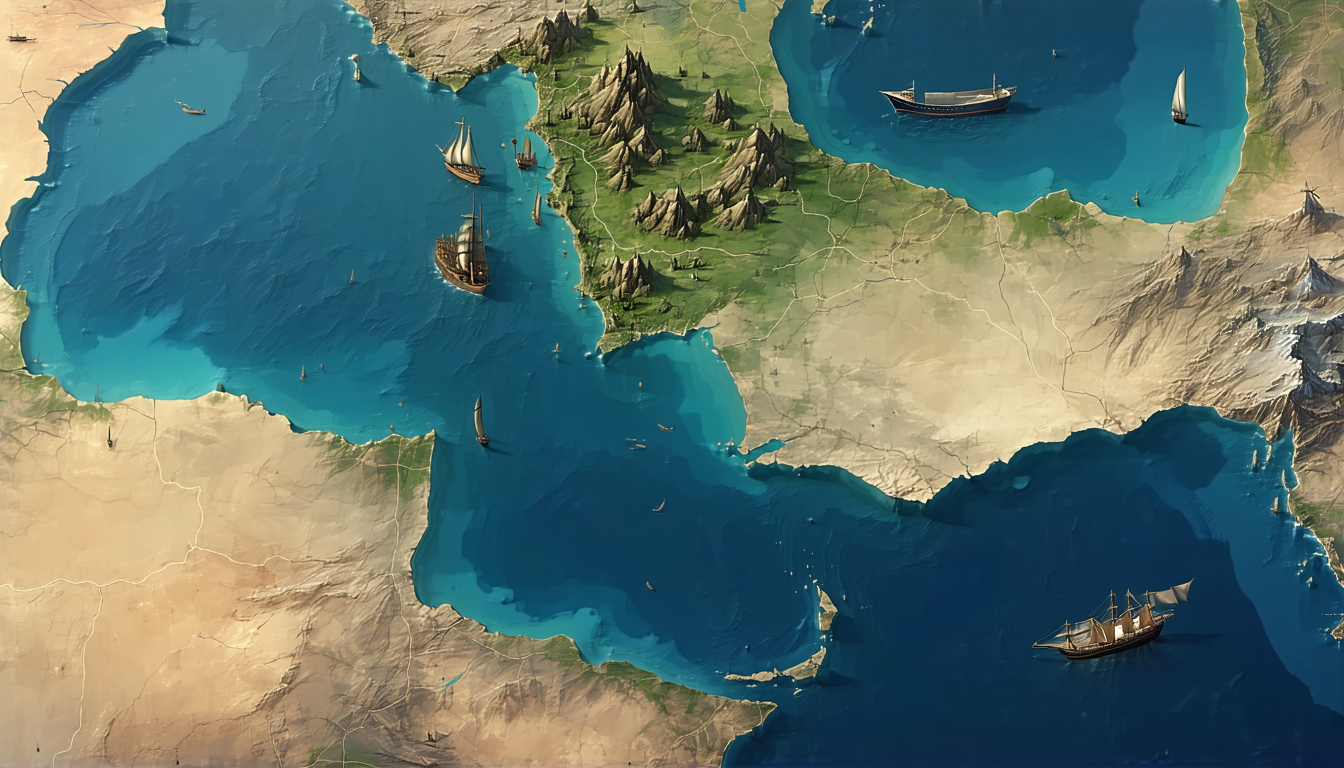
US President Donald Trump has issued a stark warning to the Sultanate of Oman, threatening that the United States would "destroy" the nation if it attempted to exercise control over the Strait of Hormuz. Speaking during a Cabinet session at the White House, Trump emphasized that the vital shipping lane "must remain open to everyone without any party controlling it."
"The Straits will be open to everyone, and no one will control them. We will supervise them," Trump stated, further cautioning that "Oman will act like any other country, otherwise we will have to destroy them."
The president's forceful language reflects mounting concerns about the strategic waterway's future governance. His comments arrive as Deputy Secretary of Iran's Supreme National Security Council Ali Bagheri Kani disclosed that Tehran and Muscat are engaged in collaborative discussions aimed at establishing fresh protocols for maritime traffic through the Strait of Hormuz.
Observers point to Oman's strategic positioning as a potential mediator in developing new maritime frameworks for the passage. The sultanate maintains balanced diplomatic relations with Iran, the United States, and Gulf state actors. Regional analysts note that Oman has advocated for regional countries to assume responsibility for managing the Strait of Hormuz's security.
The escalating rhetoric coincides with ongoing tensions centered on Iran, particularly following earlier military confrontations that disrupted navigation through the waterway and pushed crude oil prices above $111 per barrel. Such disruptions have raised global concerns about potential further instability in energy markets.
Hostilities between the United States and Israel against Iran commenced on February 28, with both sides declaring a ceasefire on April 8. Diplomatic negotiations, facilitated by Pakistan, remain active in efforts to achieve a lasting resolution to the conflict.
Compare options


