Ferrari's Electric Gamble Divides Luxury Car Industry and Investors
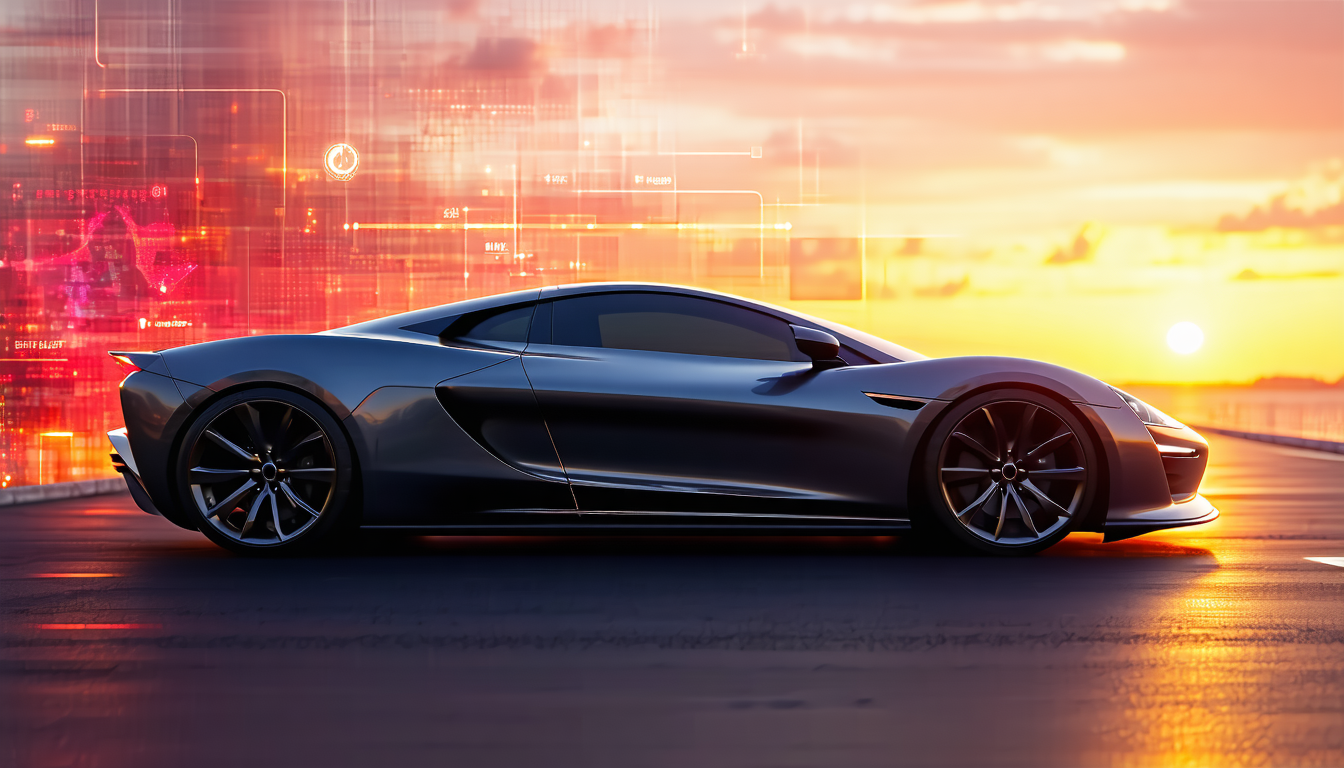
The unveiling of Ferrari's first battery-powered vehicle has ignited fierce debate within investment circles and across digital platforms, with critics arguing that the storied Italian automaker risks surrendering its legendary status by entering the luxury electric segment. Industry observers have labeled the move "the most controversial" development in years.
Financial Times reporter Kana Inagaki documented how the introduction of the "Luce" has created sharp divisions throughout the high-end automotive sector, revealing persistent skepticism about whether affluent buyers will genuinely embrace electrified powertrains over combustion engines.
Online responses have been scathing, with social media users dismissing the vehicle as "an insult to the Ferrari brand" and "terribly disappointing." CEO Benedetto Vegna acknowledged before the launch that he anticipated negative reactions to this unconventional offering.
The core challenge for luxury manufacturers centers on the absence of traditional engine acoustics—a defining element of the "emotional experience" that devotees cherish—alongside the substantial mass that battery systems add to vehicles.
The automotive landscape reveals divergent strategies among premium brands. Jaguar courted controversy by reimagining itself entirely as a luxury electric manufacturer, while Rolls-Royce is crafting an exclusive battery-powered model for select wealthy patrons. Conversely, Porsche has retreated from its electrification agenda following significant financial losses, redirecting resources toward hybrid and petrol vehicles. Lamborghini shelved plans for a fully electric model by 2030, opting instead for plug-in hybrid technology.
Lamborghini's CEO Stephan Winkelmann articulated the emotional dimension at stake: "Customers are buying a dream, not a means of transportation." This sentiment reflects the intangible appeal that defines the luxury sports car segment.
Lotus, Aston Martin, and McLaren have similarly moderated their electric ambitions, while Bentley intends to maintain hybrid offerings even beyond 2035.
Ferrari's approach incorporated design input from former Apple designer Jony Ive, emphasizing weight reduction for the battery pack and incorporating electric guitar-inspired audio to replicate missing engine character. Despite management's framing of the project as an "innovation milestone," Ferrari's stock plummeted 8.5% on the Milan exchange upon announcement.
Former Ferrari president Luca di Montezemolo expressed dismay, cautioning: "We risk destroying a legend, and I am truly sad about that." He added with irony: "At least the Chinese won't copy it."
The "Luce" carries a base price of approximately 550,000 euros in Italy, positioning it as the marque's priciest non-supercar. Market analysis suggests Ferrari is primarily targeting technology-focused wealth in Silicon Valley rather than its traditional clientele.
A significant departure from convention, Ferrari has announced it will not privilege established customers during sales, instead treating new and longtime buyers identically—a strategic pivot aimed at cultivating a fresh demographic.
Management maintains that the electric model will preserve profitability margins through limited production volumes. The company has recalibrated its electrification target, reducing the proportion of electric vehicles in its 2030 output to 20% from previously announced higher figures.
Ferrari now confronts a challenge extending beyond acceleration metrics: convincing devotees that embracing electrification need not betray the essence of an Italian institution.
Compare options


