Diplomatic Efforts Face Critical Test as US-Iran Tensions Escalate in Persian Gulf
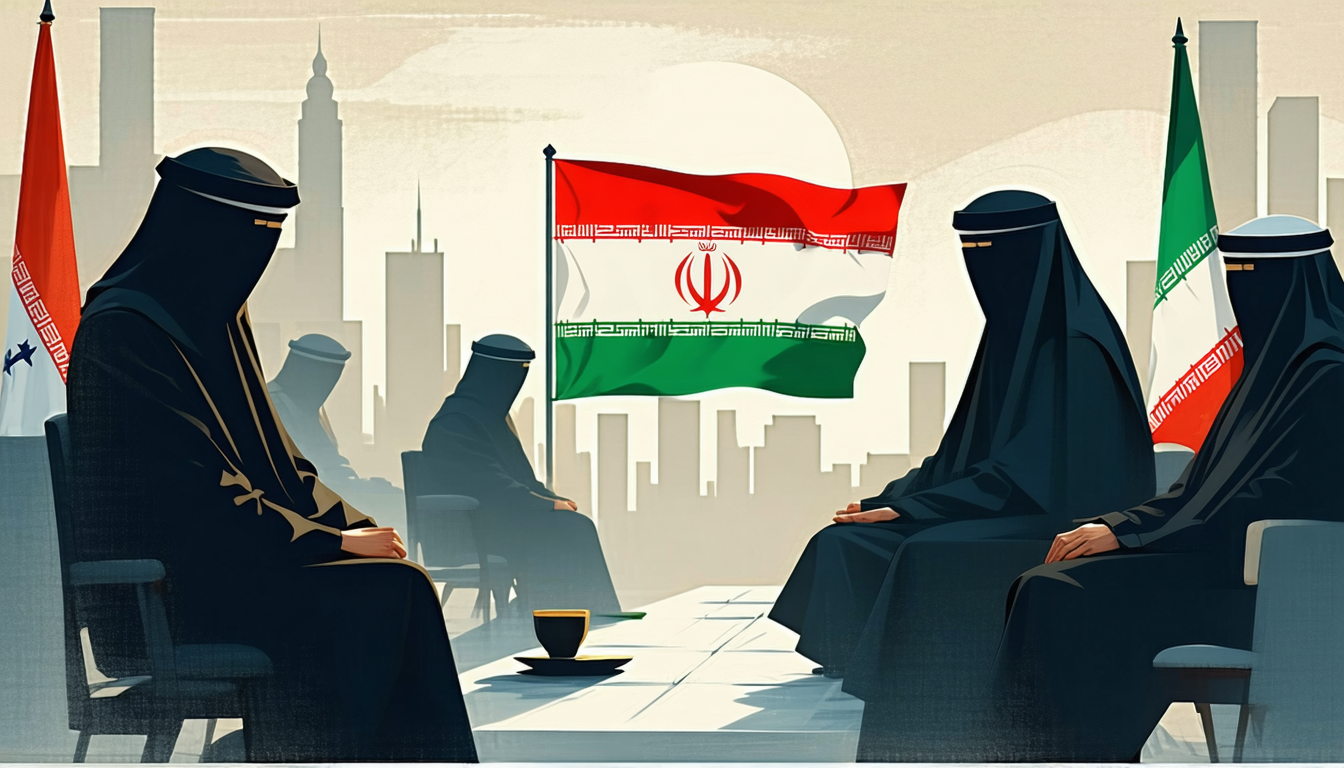
Pakistani Foreign Minister Ishaq Dar cautioned Tuesday against allowing the Middle Eastern crisis to persist, emphasizing that prolonged instability benefits no stakeholder. His remarks came as concerns mounted over recent US military operations targeting vessels in Iran's southern waters and the broader implications for regional stability and international energy markets.
In public remarks, Dar highlighted Pakistan's commitment to resolving the situation through diplomatic channels. He underscored that his government continues actively pursuing mediation efforts while calling on all involved parties to demonstrate restraint.
"The world is watching the end of the crisis in the Middle East and we must succeed," Dar stated, warning that the escalating tensions pose risks to energy supply chains globally. He emphasized the urgency of bringing the conflict to a conclusion.
The Foreign Minister's statements followed announcements from Iran's Revolutionary Guard, which confirmed that its air defense systems engaged in response to American military activity. The Guard cautioned against any breach of the existing ceasefire by Washington and reaffirmed Iran's prerogative to respond to perceived threats.
According to Iranian sources, the Revolutionary Guard engaged an American RQ-4 drone and an F-35 fighter jet, and detected an American MQ-9 drone in the vicinity. These incidents underscore the fragility of the current truce between the two adversaries.
On Monday, the US military disclosed that it had conducted strikes against missile facilities in Iran's southern Hormozgan region. The operations also targeted boats near the Strait of Hormuz, which American officials claimed were preparing to deploy mines in this crucial maritime passage.
Despite the recent American military operations in Hormozgan, both nations have maintained dialogue, according to reporting from the Wall Street Journal. This continuation of engagement suggests that neither party has abandoned efforts to preserve the existing ceasefire framework.
In Doha, Iranian Parliament Speaker Mohammad Bagher Qalibaf—serving as chief negotiator—remained for a second consecutive day to advance discussions on ending the conflict. The talks proceeded under mediation facilitated by Qatar and other regional states.
These negotiations are occurring amid intensifying pressure from regional and international actors to prevent the ceasefire from unraveling and to forestall a broader regional confrontation that could destabilize global energy markets and disrupt international maritime commerce.
The Strait of Hormuz holds central importance in these negotiations. Approximately one-fifth of the world's oil trade transits through this waterway, and recent partial restrictions have already triggered significant volatility in petroleum markets and shipping operations.
Pakistan's diplomatic positioning has assumed heightened relevance during this period. The country is endeavoring to serve as an intermediary among the conflicting parties, drawing on its intricate web of regional relationships and its vested interest in preventing large-scale escalation in the Gulf. Pakistani leadership recognizes that continued tensions threaten not only Iran and the United States but also the economic stability of numerous Asian nations dependent on reliable energy access.
Pakistan's emphasis on supply chain disruptions reflects wider international apprehension that the crisis could expand beyond military and political dimensions into the global economic sphere. Extended disruptions to Hormuz traffic would trigger oil price increases, strain maritime shipping, and generate ripple effects across markets worldwide. Negotiators continue searching for a resolution that allows all parties to preserve their standing while preventing further escalation.
The current situation remains precarious. While military strikes, Iranian declarations, and ongoing mediation efforts in Doha continue, the established path toward de-escalation rests on unstable footing. Any miscalculation or fresh military action could rapidly destabilize the situation and present the region with an even more severe crisis.
Compare options


