Arctic Tensions Push Iceland to Reconsider EU Membership
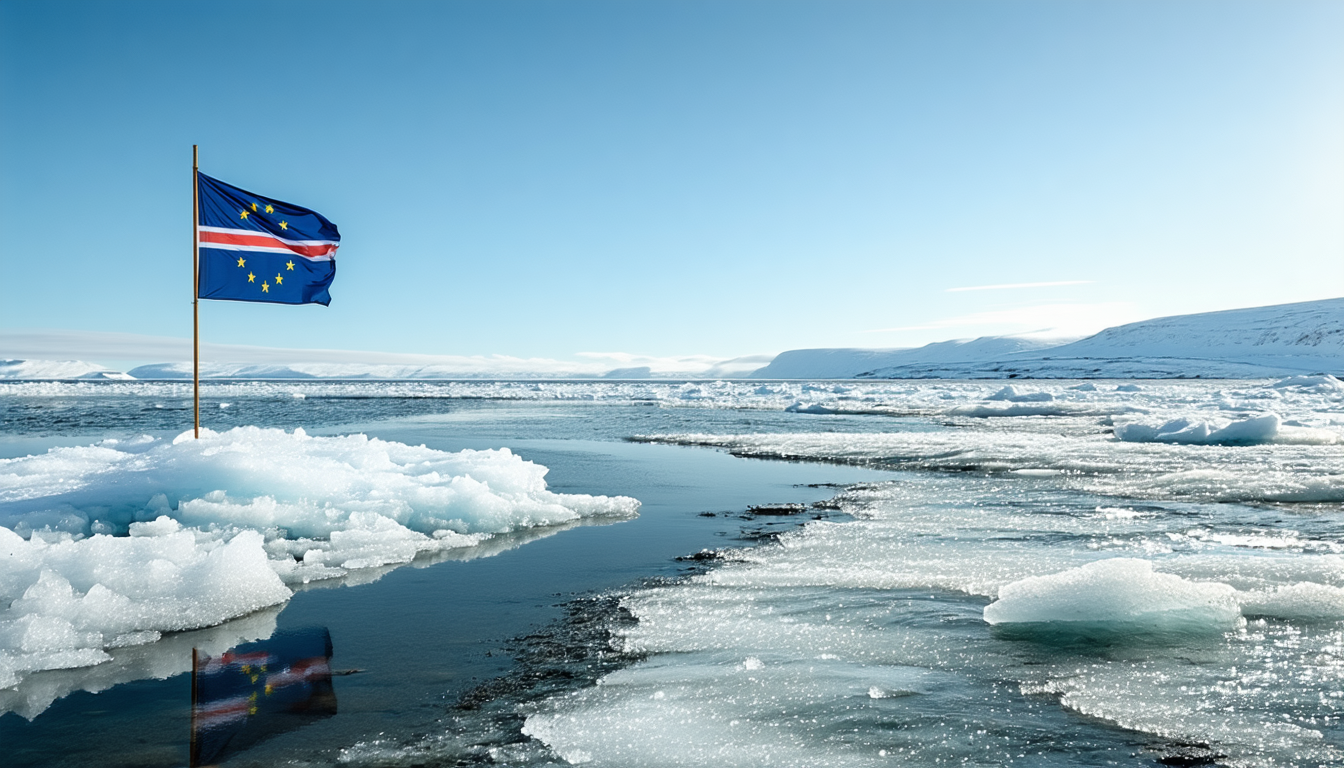
Escalating tensions in the Arctic region and recent American political developments have reinvigorated debate over Iceland's potential membership in the European Union, shifting a discussion that had long been considered peripheral into a matter of serious national concern.
For decades, Icelandic voters have resisted EU accession, prioritizing national independence and protection of the country's vital fishing industry. That calculus is now changing. Growing uncertainty about security arrangements in the North Atlantic has prompted many Icelanders to reassess their strategic positioning, particularly given their unique vulnerability as NATO's sole member nation without a standing military.
Prime Minister Krystron Frøstadóttir acknowledged the dramatic shift in public sentiment, stating that "The Greenland crisis hit Icelanders to the core." The Prime Minister noted that foreign policy concerns have moved to the forefront of voters' minds, displacing traditional economic and domestic preoccupations that once dominated political discourse.
A summer referendum may soon ask Icelanders whether to authorize exploratory negotiations with Brussels, though any full accession process would extend over years. The timing reflects the new urgency surrounding security questions in the region.
The geopolitical backdrop has proven decisive. US President Donald Trump's repeated expressions of interest in acquiring Greenland unsettled North Atlantic nations, while reports that Billy Long, nominated as American ambassador to Reykjavik, joked about Iceland becoming a "52nd American state" further stoked anxieties—even after his subsequent apology. These developments have crystallized doubts about the durability of American security commitments.
In response to shifting regional dynamics, the European Union and Iceland formalized a defense partnership last March, signaling deepening ties between the two parties. While the EU itself is not a military alliance, many Icelanders view closer European integration as providing additional security assurances.
Yet substantial domestic obstacles remain. Iceland's fishing sector constitutes a cornerstone of the national economy and a potent symbol of sovereignty. Fishermen worry that EU membership would impose European quotas that could diminish their industry's viability, mirroring experiences in countries like Ireland.
Fisherman Helgi Haraldsson conveyed his skepticism to reporters, indicating his inclination to vote against membership due to concerns about his livelihood. "There is a limited amount of fish in the sea," he emphasized, underscoring how deeply the fishing question resonates within a society that views maritime resources as both economic necessity and cultural identity.
Brussels appears willing to negotiate special arrangements regarding fisheries if Iceland pursues accession, potentially addressing local concerns and safeguarding the sector's interests during membership discussions.
Conversely, economic considerations push other segments of the population toward EU membership. Advocates argue that deeper integration with European markets and adoption of the euro—replacing the krona—could reduce currency volatility and stabilize prices. Current inflation in Iceland stands at approximately 5.2%, nearly double the EU average, while commodity prices have risen sharply in recent years, lending weight to these economic arguments.
Iceland thus confronts an unprecedented political crossroads. The nation must balance its reluctance to surrender economic sovereignty, particularly over marine resources, against a deteriorating security environment in which American protection no longer appears adequate to growing portions of the electorate. The question of EU membership has transformed from a marginal concern into a defining national debate that may fundamentally reshape Iceland's role in the North Atlantic.
Compare options


