Hezbollah's Escalating Rhetoric Signals Deep Internal Anxiety Amid Iran-U.S. Negotiations
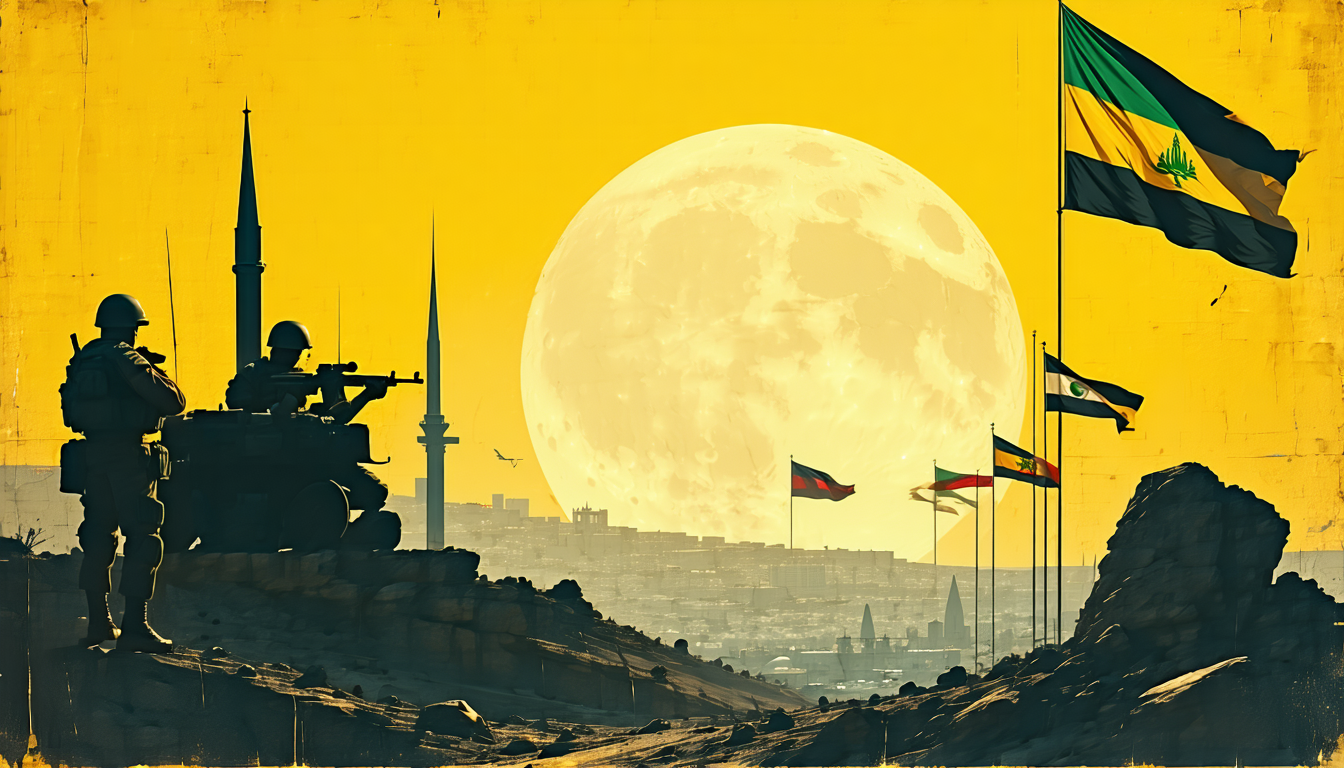
Hezbollah's latest escalatory rhetoric toward the Lebanese government signals mounting anxiety within the organization, with informed observers linking the party's aggressive stance to ongoing Iranian-American diplomatic contacts and internal organizational instability.
In his recent address, Hezbollah Secretary-General Sheikh Naim Qassem adopted a confrontational tone toward state institutions, raising questions about whether the party's role extends beyond resistance against Israel to encompassing efforts that could destabilize Lebanon's governmental structures. Sources close to political developments characterize Qassem's statements as reflecting Iranian rather than Lebanese concerns, directly tied to communications with Iranian Foreign Minister Abbas Araqchi and the broader trajectory of regional negotiations.
Timing and Uncertainty
Political analysts describe the current period as "extremely sensitive and difficult," with the party evidently preoccupied by mounting external pressures on its military capabilities and shifting domestic perceptions of its role within Lebanese society. Former Minister Rashid Derbas characterized the speech as "hasty and proactive," suggesting it was premature given the nebulous nature of any potential Iran-U.S. settlement. He noted that the features of such an agreement remain ambiguous and lack concrete detail.
Derbas pointed to the telephone conversation between Qassem and Foreign Minister Araqchi as a likely catalyst for the escalatory rhetoric, particularly following Iran's reported emphasis on including Lebanon within any settlement framework. However, he cautioned that such arrangements could inadvertently provide Israel with justification for military action, operating under what he termed "the umbrella of an Iranian-American agreement."
Organizational Fragmentation
The party has experienced significant internal discord since the 2006 assassination of Hassan Nasrallah, according to Derbas. The organization's messaging has become increasingly incoherent, with multiple factions expressing divergent positions rather than presenting a unified front. This fragmentation coincides with Hezbollah's acute sensitivity to developments between Iran and the United States, leaving the party in a state of uncertainty regarding potential outcomes and Lebanon's future trajectory.
Derbas suggested that this climate reflects "anxiety tinged with a kind of fear," exacerbated by prevailing ambiguity that offers no reassurance of stability.
State Recovery
When asked about the possibility of a repeat of 2006's May 7 events, Derbas rejected the notion, asserting instead that "May 7 is my words"—suggesting the historical moment has been reframed. He argued that Lebanon's state has begun extricating itself from what he termed the party's "statelet" control, citing the 2024 presidential election and the appointment of a Prime Minister outside Hezbollah's direct influence. The party notably refrained from nominating a presidential candidate, instead expressing reservations about the process.
Despite current tensions, Derbas expressed cautious optimism about Lebanon's trajectory, suggesting that a gradual shift away from parallel governance structures could create space for genuine state reconstruction, even as challenges remain formidable.
Compare options


