Hezbollah Intensifies Southern Front Operations with Drone and Missile Strikes
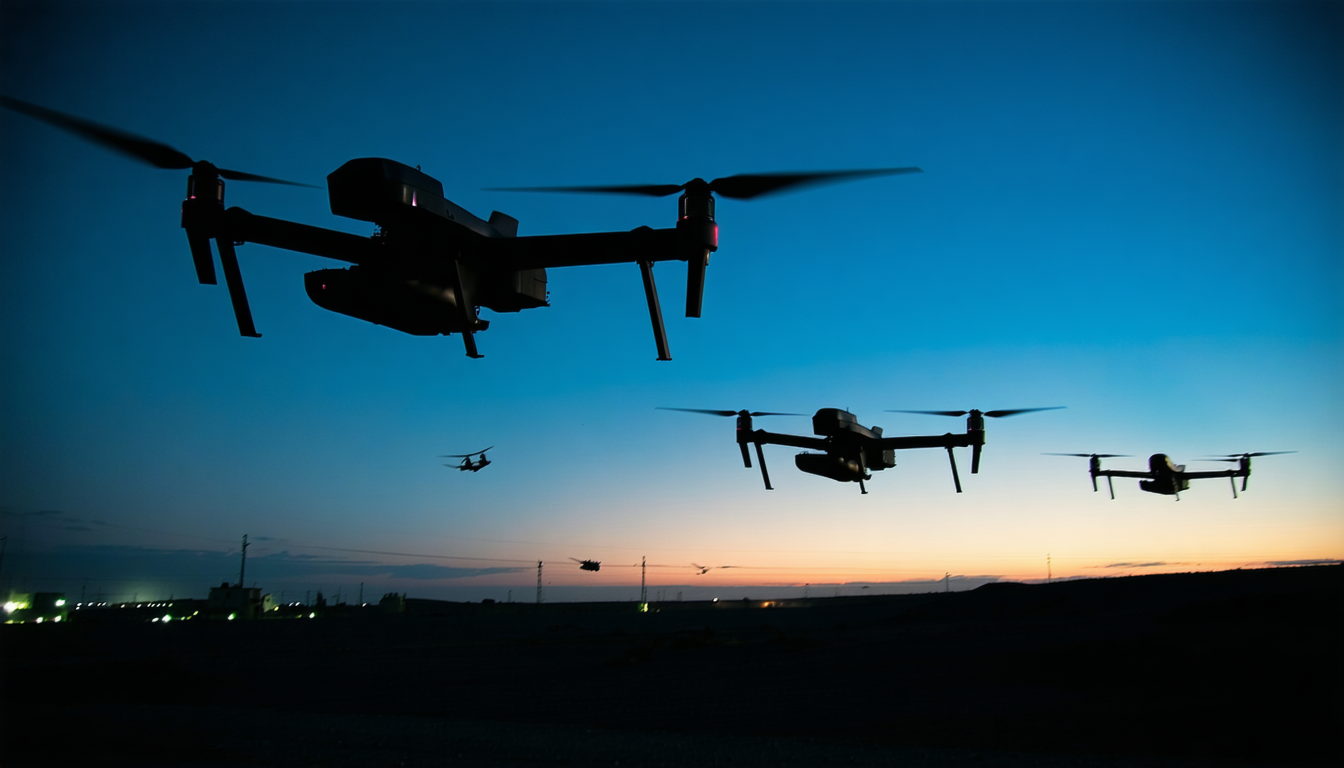
Attack drones have become a central feature of the escalating confrontation on the southern front, with Hezbollah announcing multiple operations targeting Israeli military installations, armor, and personnel on May 25, 2026. The strikes coincided with Israeli accounts of numerous unmanned aircraft originating from Lebanese territory, including incidents of explosions within Israeli borders.
Hezbollah's military wing released footage purporting to show successful strikes against Israeli army assets. Video evidence presented by the organization documented the targeting of an Israeli Merkava tank near Bint Jbeil on May 14, 2026, using Ababil-class attack drones. Additional footage showed reconnaissance and targeting sequences for a newly established Israeli military position in the Bayyada area, employing both Ababil drones and supplementary weaponry.
Throughout Monday, Hezbollah released a series of statements detailing its operations. At 10:45, the organization claimed a direct hit on an Israeli military assembly gathered at a newly constructed site in Jal al-Hamar, positioned south of Al-Adissa, using a coordinated drone assault. An additional strike at 11:10 reportedly destroyed a Merkava tank in Dibal using the Ababil system, followed by a second tank strike in the same location at 11:30. By 12:15, Hezbollah announced targeting an Israeli artillery emplacement in Al-Adisa using drone strikes.
Later in the day, evening operations included a missile attack against Israeli military vehicles and personnel concentrations in Al-Quzah at 15:55, followed by another missile strike against a similar target grouping in Rashaf at 16:15.
Israeli authorities reported distinct incidents within their territory. The Israeli Home Front documented two explosive drones detonating in the Ramim Hills region within a single hour. Israeli media outlets reported that approximately 30 unmanned aircraft had been launched from Lebanon since morning, targeting Upper Galilee communities. Additional incidents included drone interception near Misgav Am on the eastern sector of the Lebanese border and alarm activations in Zarit following drone detection.
The Israeli military confirmed that Hezbollah had directed explosive drones toward its forces and frontier settlements, noting a detonation in Metulla under investigation. Emergency responders and firefighting units mobilized to a Metulla building that sustained direct impact from a drone-delivered explosive device.
These operations represent an escalation in tactical complexity along the front. Unmanned aircraft have emerged as significant instruments for pressuring Israeli air defense and detection capabilities. The repeated activation of civilian warning systems in Upper Galilee communities, combined with documented casualties in border settlements, underscores an evolving operational environment. Both sides appear engaged in establishing military infrastructure and tactical positioning within the parameters of current hostilities, with drone and missile deployment constituting the defining elements of this phase of confrontation.
Compare options


