Washington and Tehran Race Against Clock as Nuclear Talks Remain Unresolved
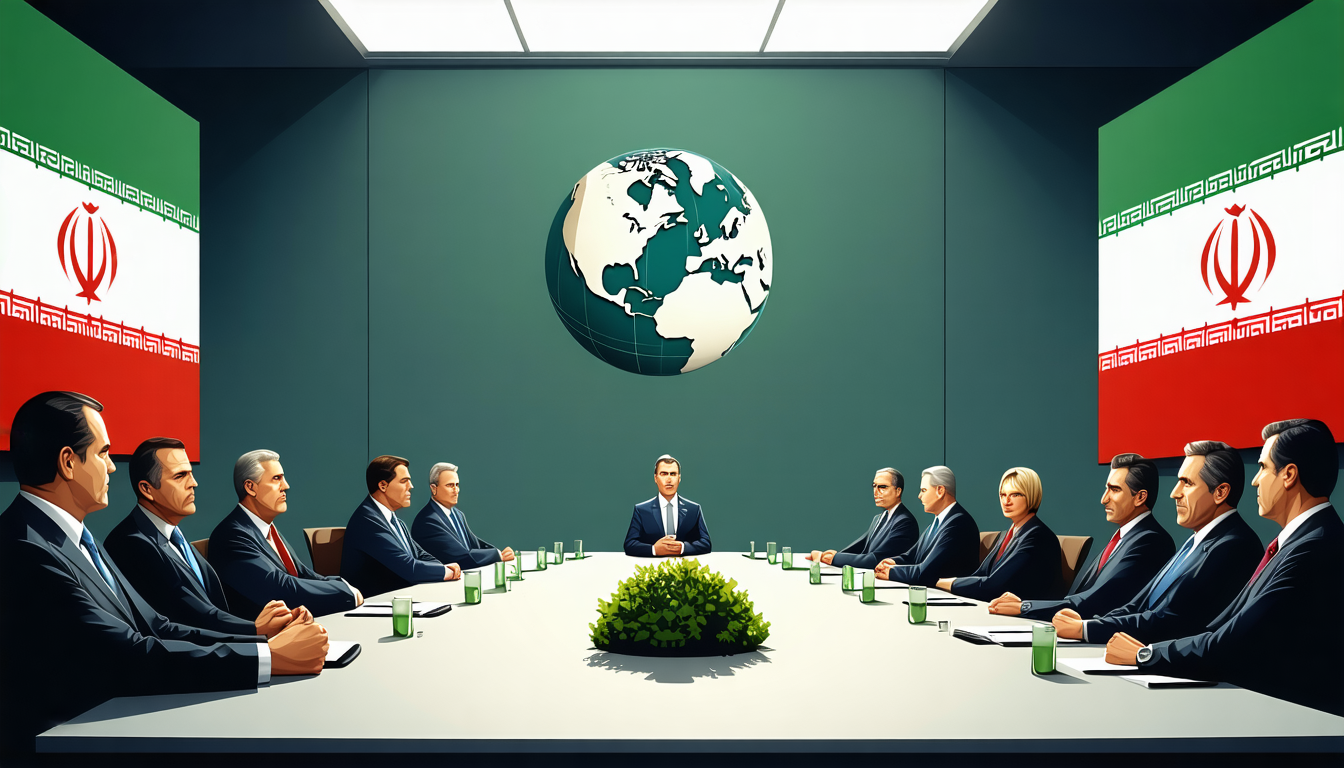
Diplomatic efforts between the United States and Iran continue in a tense environment as both sides grapple with fundamental disagreements that threaten to derail negotiations aimed at ending a war that has lasted approximately three months.
Secretary of State Marco Rubio conveyed Washington's commitment to the negotiating process, declaring that the administration will exhaust diplomatic channels before pursuing alternative strategies. Speaking at a press conference in New Delhi, Rubio emphasized that the United States seeks a "good" agreement with Iran, warning that failure to achieve one would result in different measures.
Among the contentious issues under discussion, Rubio highlighted Iran's potential management of the Strait of Hormuz and what he characterized as "real, serious, and time-bound" talks regarding Iran's nuclear program.
The Iranian Foreign Ministry's spokesperson, Ismail Baghaei, presented a different perspective on the negotiations' scope. He clarified that Iran is engaged in discussions aimed at halting the conflict rather than addressing nuclear matters at this juncture. While Baghaei acknowledged that negotiators have reached a preliminary framework, he cautioned against premature expectations of an imminent accord.
Baghaei rejected suggestions that the memorandum of understanding would contain specific provisions governing Strait of Hormuz operations, asserting instead that such maritime passages remain under the jurisdiction of littoral nations. He stated that Iran would not levy charges on passing vessels but would expect compensation for services rendered.
According to reporting from Fox News, a senior Trump administration official disclosed that President Donald Trump has allocated between five and seven days for Iran to present an acceptable agreement proposal. The official characterized the framework as based on two core principles: "no nuclear stockpiles and no frozen funds."
The same official indicated that Tehran has provisionally accepted the proposed framework, with approximately 95 percent of the agreement's language completed. Outstanding elements involve technical wording and final specifications.
The emerging agreement reportedly envisions Iran reopening the Strait of Hormuz in exchange for the lifting of the American naval blockade, coupled with Iran's disposal of highly enriched uranium reserves. Additional negotiations would extend over a 60-day period following the initial agreement.
However, multiple obstacles continue to complicate efforts toward a comprehensive settlement. The Iranian nuclear program, American sanctions regimes, and frozen Iranian assets remain contested issues. Regional complications stemming from the Lebanon conflict and tensions involving Israel and Hezbollah further complicate the diplomatic landscape.
In a development reflecting ongoing military readiness, Iran's state news agency Mehr reported that air defense systems on Qeshm Island were activated, though no explanation was provided for the action. The move underscores the security anxieties that persist even as negotiators pursue a diplomatic resolution.
Compare options


