Iran Reelects Qalibaf as Parliament Speaker Amid Delicate Negotiations
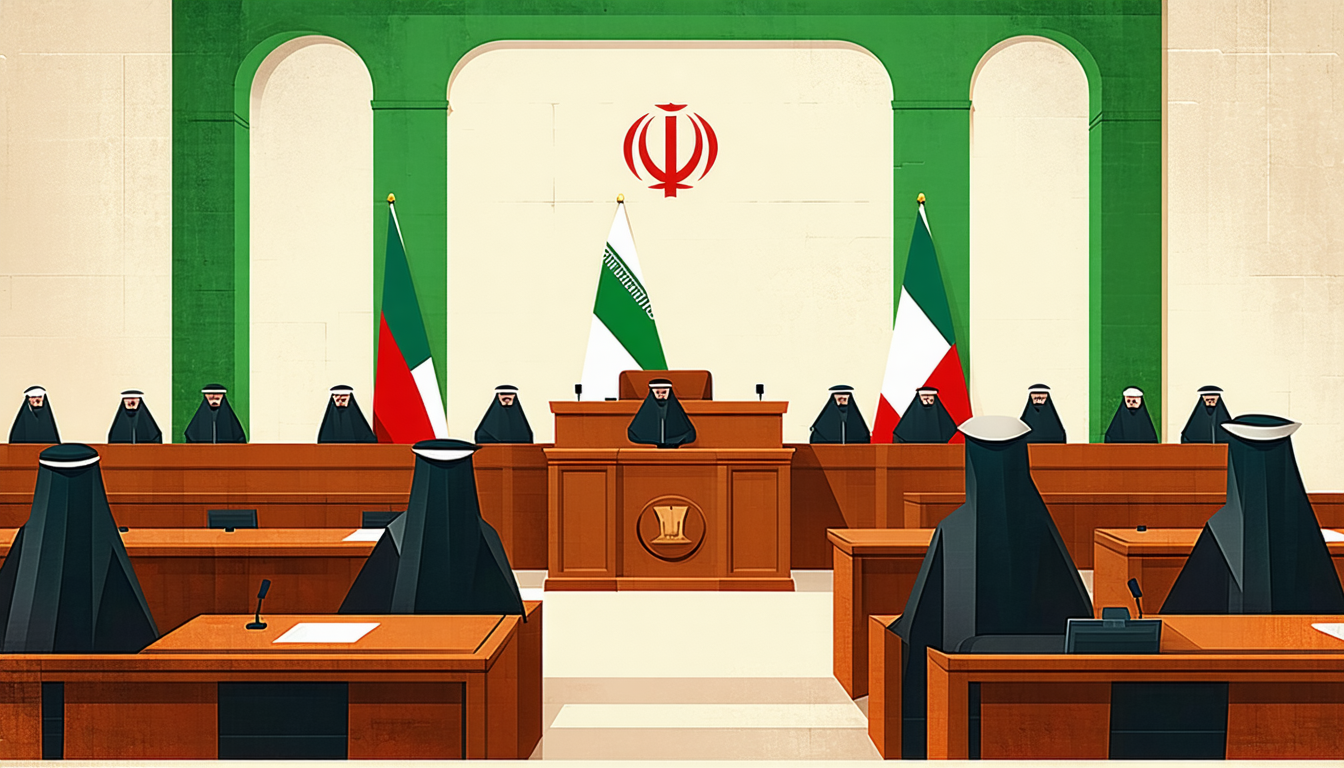
Iran's parliament voted Monday to retain Muhammad Baqer Qalibaf as president of the Shura Council, according to reports confirmed by Reuters citing Iran's Fars Agency. The decision comes as the country faces mounting internal and external pressures during a particularly sensitive geopolitical moment.
Qalibaf's reelection underscores the enduring power of conservative forces within Iran's legislative apparatus. The move arrives at a time when Tehran is managing overlapping challenges: indirect negotiations with Washington on nuclear matters and broader regional tensions that require careful diplomatic positioning.
A former commander in Iran's Revolutionary Guard Corps, Qalibaf has cultivated significant influence throughout Iran's political establishment over the past several years. His standing within Parliament and among conservative circles positions him as a key player in shaping the country's policy direction.
The timing of his reelection carries broader political significance beyond the parliamentary chamber. As Iran pursues indirect talks with the United States while confronting regional pressures on multiple fronts, the decision to retain an experienced security-minded figure suggests a strategic choice to prioritize continuity in leadership during uncertain times.
Through his role as Parliament's head, Qalibaf will wield considerable influence over critical issues spanning foreign policy, national security, and the nuclear file—all central to Iran's approach toward Washington. His background combining military command with involvement in civilian and political institutions makes him a figure capable of bridging security and diplomatic considerations.
The reelection reflects a broader Iranian political calculation: maintaining established power structures and entrusting sensitive strategic matters to seasoned figures rather than pursuing substantial shifts in decision-making leadership. By keeping experienced hands at the helm during negotiations and regional instability, Tehran appears to be signaling its commitment to preserving existing power arrangements while managing complex interactions with the United States.
Compare options


