Republicans Split Over Trump's Iran Negotiations as "Hormuz Deal" Emerges
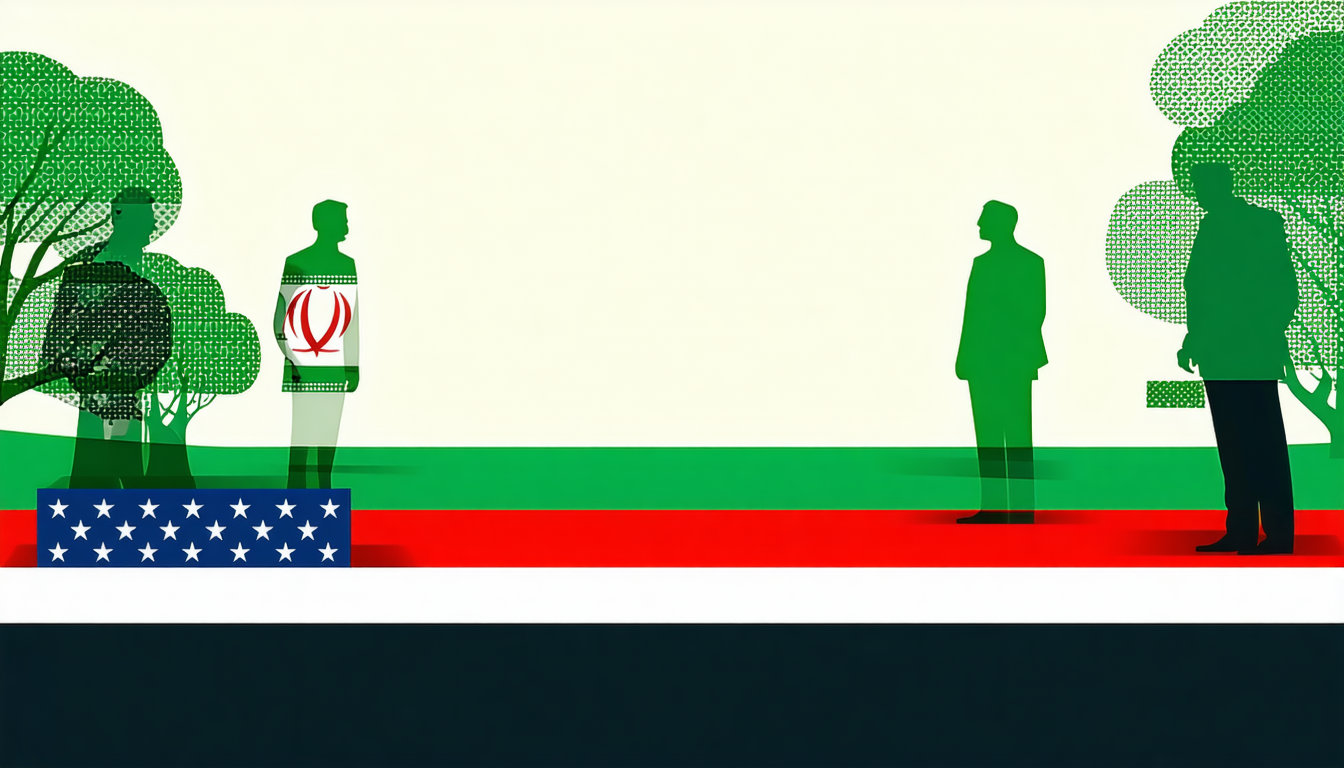
Deep fissures have opened within the Republican Party as President Donald Trump pursues diplomatic negotiations with Iran, with senior party figures warning that the administration is offering Tehran concessions it could never secure through military means.
The accelerating US-Iranian talks threaten to reshape Middle Eastern power dynamics, according to reporting from the Financial Times. The proposed framework would reportedly include sanctions relief and unfrozen Iranian assets in exchange for extending the current ceasefire, reopening the Strait of Hormuz, and establishing a pathway for discussions on Iran's nuclear program.
Under the tentative agreement, Iran would commit to either reducing its enriched uranium stockpile or surrendering it entirely. The US would respond with phased sanctions reductions and asset releases as negotiations advance toward a comprehensive settlement.
Yet the backlash from Trump's own party has been swift and forceful. Senator Lindsey Graham, typically a Trump ally, sounded the alarm on social media that any arrangement permitting the Iranian regime to "survive and grow stronger over time" risks "pouring gasoline on the conflicts in Lebanon and Iraq." Graham further expressed skepticism about whether Iran can be meaningfully deterred from threatening Hormuz or whether regional powers alone can contain Iranian military strength.
Senator Ted Cruz characterized his concerns as "deep," framing Trump's earlier decision to launch strikes against Iran as his administration's most consequential move. "If we end up with a surviving Islamist regime that obtains billions of dollars, enriches uranium, develops nuclear weapons, and controls the Strait of Hormuz, that represents catastrophic failure," Cruz stated.
Senator Roger Wicker, who chairs the Armed Services Committee, dismissed the framework as flawed, arguing that "a 60-day ceasefire premised on Iranian good faith would spell disaster," and warned that military gains could evaporate.
Former Secretary of State Mike Pompeo weighed in from the previous Trump administration, declaring the plan "fundamentally contrary to America First principles." He outlined an alternative approach: "Keep the strait open, deny Iran financial access, and diminish its capabilities enough that it cannot threaten regional allies."
The public dispute has triggered sharp responses from the White House. Communications Director Stephen Cheung lashed out at Pompeo, telling him to "stop talking and let professionals handle this." Trump campaign advisor Alex Brusevitz accused Cruz of attempting to "sabotage the president and his team," to which Cruz retorted that "Iran appeasement advocates are not serving the president."
The confrontation underscores the political complications Trump faces in preserving party cohesion ahead of midterm elections, particularly as polling shows declining support linked to the war and domestic economic concerns.
Senator Thom Tillis raised practical questions during a CNN appearance: "Eleven weeks ago, we were assured Iranian defenses were completely dismantled and nuclear materials seizure was imminent. How do we now discuss leaving those materials in Iranian hands?"
Secretary of State Marco Rubio defended the administration's position, asserting that "no president has demonstrated greater toughness on Iran's nuclear ambitions than Trump." He characterized suggestions that Trump would approve nuclear expansion for Iran as "absurd," given his demonstrated willingness to act forcefully.
The divisions in Washington reflect widespread unease surrounding the potential agreement, extending beyond nuclear concerns to fears that the post-war landscape may prove strategically more precarious than the conflict itself.
Compare options


